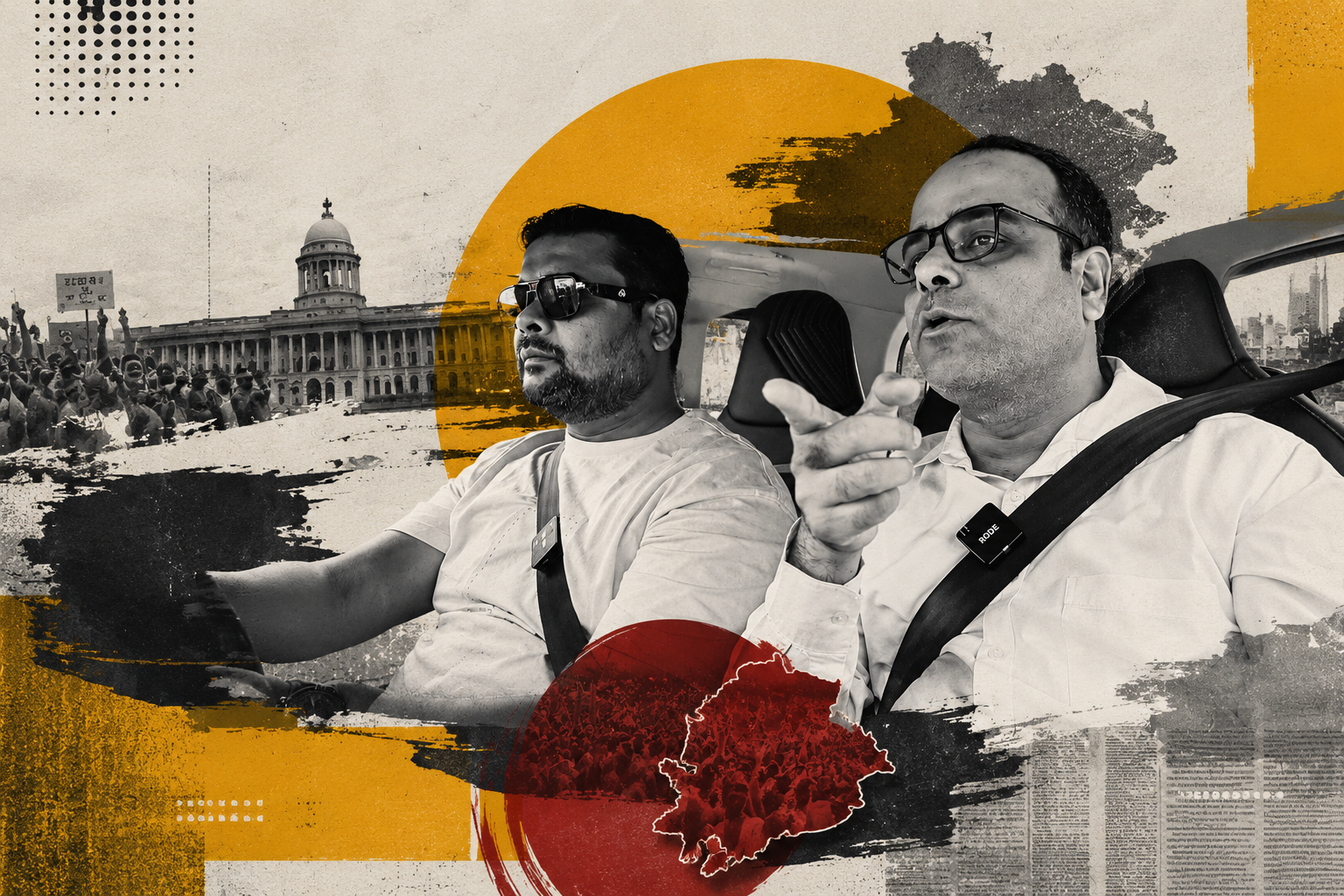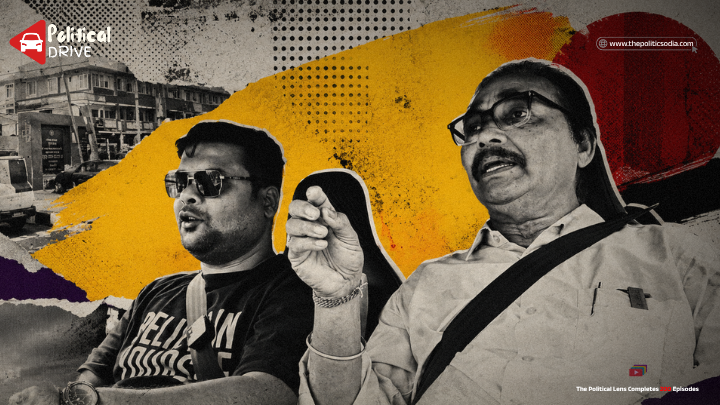
Bhubaneswar: Some interviews come and go. Others stay in public discussion long after the cameras stop rolling. The latest episode of Political Drive, hosted by senior journalist Sunil Jena, has done exactly that.
In the 43-minute 28-second conversation, veteran journalist Ramesh Mohanty spoke at length about the functioning of the Odisha government, the relationship between the media and those in power, and what he believes are some of the biggest challenges facing the current administration.
What has attracted the most attention is Mohanty’s claim regarding Chief Minister Mohan Charan Majhi’s press conference on June 12. According to him, the event was not conducted in a completely open manner. Mohanty alleged that certain journalists were aware of questions beforehand and that the interaction was managed in a way that prevented several journalists from raising their own questions.
During the interview, Ramesh Mohanty also made a controversial claim regarding what he described as “PNS” journalists. According to him, the term is commonly used in media circles to refer to individuals who are not actively working with any recognised news organisation or publication. Mohanty alleged that some such individuals were given opportunities to ask questions during the June 12 press conference, while several working journalists were allegedly left without a chance to interact. He claimed that this raised concerns among sections of the media fraternity about the fairness and transparency of the process. These remarks represent Mohanty’s personal allegations and have not been independently verified.
He further claimed that he himself was denied an opportunity to ask questions despite being present at the event.

These allegations, if true, raise larger questions about media access and transparency. However, no official response to these specific claims has been made so far.
The discussion then moved beyond the press conference.
Mohanty argued that the biggest challenge before the Mohan Majhi government is not the opposition but the perception being created by the conduct of certain individuals within the system. During the interview, he made allegations against some ministers and public representatives, claiming that allegations of corruption involving political leaders and officials are damaging the image of the government.
He also expressed concern over what he described as growing public dissatisfaction with sections of the administration. According to Mohanty, people expect a new government to bring visible changes, and any perception of irregularity or lack of accountability quickly becomes a political issue.
Throughout the conversation, Sunil Jena repeatedly pressed for specifics, seeking clarity on the claims and observations being made. The result was a candid discussion that covered politics, governance, bureaucracy and the role of journalism in a democracy.
What makes the interview noteworthy is not merely the allegations themselves. Political accusations are common in public life. The significance of this conversation lies in the fact that it reflects concerns being discussed in political and media circles across Odisha.
Whether one agrees with Ramesh Mohanty’s views or not, the interview has undoubtedly triggered a fresh debate about transparency, accountability and the relationship between power and the press.
As Odisha’s political landscape continues to evolve, conversations like these are likely to remain at the centre of public attention.
Sunil Jena’s Observation
Every government faces criticism. Every journalist has a perspective. The real test of a democracy is whether difficult questions can be asked openly and answered transparently. Regardless of political affiliations, public trust grows when institutions remain accessible, accountable and willing to engage with scrutiny.
Disclaimer: The allegations and observations mentioned in this article were made by senior journalist Ramesh Mohanty during an interview on Political Drive. These statements are his claims and opinions. The individuals and institutions mentioned may have their own responses or positions on these matters.
Author Profile

- Sunil Jena is the Editor of The Politics Odia, an independent digital platform that delivers fearless political analysis, ground reports, and investigative stories from Odisha. Known for bold storytelling and grassroots connections, Sunil is shaping a new era of regional journalism.
Latest entries
 AnalysisSeptember 22, 2026Opposition Parties Hold Rally in Rayagada Seeking Repeal of MMDR Amendment Act 2026
 AnalysisSeptember 22, 2026Odisha Assembly Adjourned Till 1:10 PM Amid Opposition Uproar on First Day of Monsoon Session
 AnalysisSeptember 21, 2026BJP MPs, MLAs Flag Delays in Development Projects; Letters Trigger Fresh Political Row in Odisha
 AnalysisSeptember 11, 2026Thank You, Naveen Babu? BJD’s MMDR Protest Raises Questions Over Leadership and Political Strategy