Sunil Jena
Editor-in-Chief, The Politics Odia
Bhubaneswar: A surprise inspection by Odisha Food Supplies and Consumer Welfare Minister Krushna Chandra Patra in Dhenkanal has reignited a major political debate over the implementation of the Pradhan Mantri Awas Yojana (PMAY). Allegations of bribery, exclusion of eligible beneficiaries, and irregularities in the allocation of rural housing have now become the latest flashpoint between the ruling BJP government and the opposition Biju Janata Dal (BJD).
The controversy began after repeated complaints that deserving families in Dhenkanal district were being left out of the PMAY beneficiary list despite meeting eligibility criteria. Responding to these allegations, Minister Krushna Chandra Patra conducted an unannounced visit to Gahamakhunta village under Kaimati Gram Panchayat in Dhenkanal Sadar Block.
During the inspection, the minister interacted directly with villagers and reviewed the housing allocation process. According to local residents, several genuinely poor families had still not received housing assistance under the central scheme. The findings reportedly prompted the minister to question officials on the spot.
Eyewitnesses said the minister expressed strong displeasure over the situation and sought explanations from the Block Development Officer (BDO) and the Panchayat Executive Officer (PEO). He warned officials that any irregularity or favoritism in implementing PMAY would invite strict action.

The minister also reiterated that the Pradhan Mantri Awas Yojana does not impose any artificial cap on eligible beneficiaries. According to him, every genuinely eligible family should receive housing support, and there should be no scope for political interference or financial transactions in the selection process.
He questioned why poor families were allegedly being forced to pay money for a scheme designed for their welfare. The minister emphasized that housing assistance is a legal entitlement for eligible beneficiaries, not a privilege that can be purchased.
However, the issue quickly moved beyond administrative action and entered the political arena.
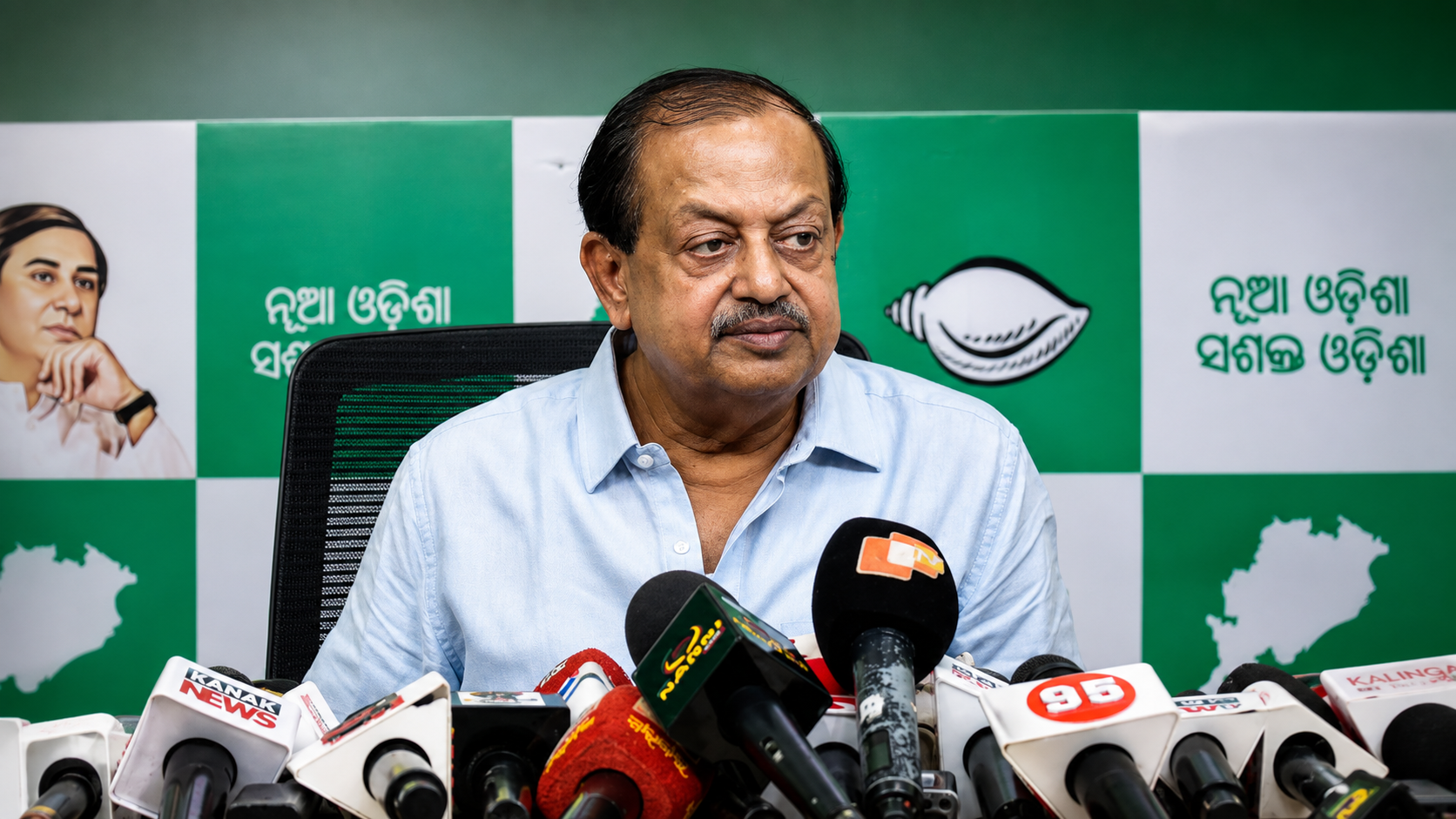
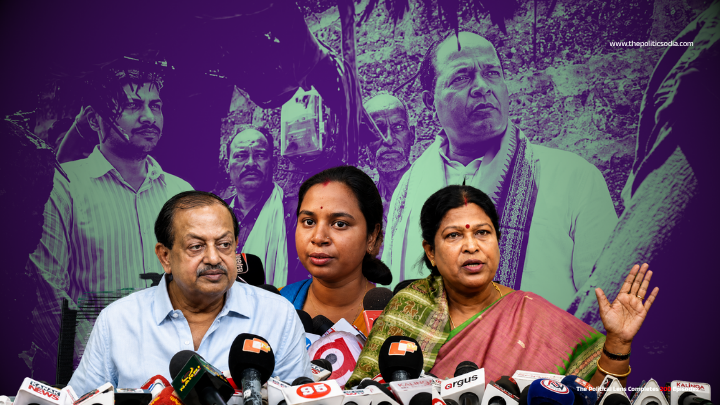
The Biju Janata Dal held a press conference accusing the state government of exposing its own failures through the minister’s statements. Senior BJD leader Debi Prasad Mishra argued that the minister’s public reprimand of officials effectively confirmed serious irregularities in the implementation of the housing scheme.
According to the opposition, if officials were indeed demanding money from beneficiaries, the government must explain how such practices continued under its watch.
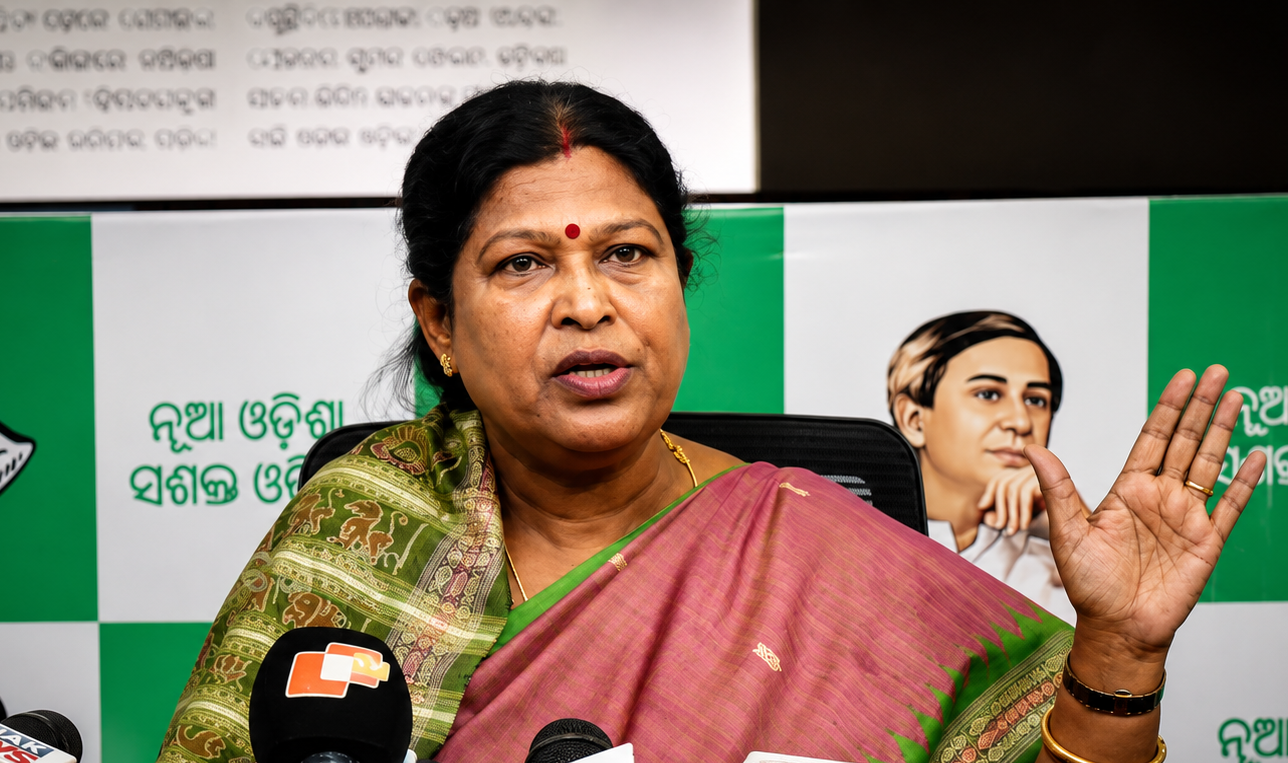
BJD Mahila President Snehangini Chhuria further intensified the criticism, alleging that corruption had become institutionalized at the grassroots. She claimed that poor families unable to pay bribes were being excluded from the beneficiary list while politically connected individuals allegedly received undue advantages.
The ruling BJP, on the other hand, maintains that the minister’s visit demonstrates the government’s commitment to transparency and accountability. Party leaders argue that surprise inspections and direct intervention against erring officials reflect an administration willing to act against corruption rather than conceal it.
The episode has once again highlighted the gap that often exists between policy announcements and implementation at the grassroots level. While housing schemes are designed to provide dignity and security to economically weaker families, allegations of bribery and manipulation continue to undermine public confidence.
The larger challenge for the Odisha government now extends beyond identifying individual lapses. It will need to ensure transparent beneficiary verification, strengthen accountability mechanisms, and restore trust among citizens who depend on welfare schemes for basic housing.
For thousands of rural families still waiting for a permanent home, the political debate matters less than whether the promises made under the Pradhan Mantri Awas Yojana ultimately translate into houses on the ground.
Sunil Jena’s Observation:
The allegations surrounding PMAY deserve a fair and transparent investigation. If corruption has occurred, accountability should extend beyond lower-level officials to everyone responsible. At the same time, any conclusions should be based on verified evidence rather than political claims, because welfare schemes are ultimately meant to serve the people, not become instruments of political confrontation.
Author Profile

- Sunil Jena is the Editor of The Politics Odia, an independent digital platform that delivers fearless political analysis, ground reports, and investigative stories from Odisha. Known for bold storytelling and grassroots connections, Sunil is shaping a new era of regional journalism.
Latest entries
 AnalysisSeptember 17, 2026Dilu’s Game, Mohan’s Trouble? 30 Munda Tribals Allegedly Missing, 100+ Acres of Tribal Land Under Question, PM Modi Must Take Note : Super Exclusive
 AnalysisSeptember 11, 2026Thank You, Naveen Babu? BJD’s MMDR Protest Raises Questions Over Leadership and Political Strategy
 AnalysisSeptember 9, 2026CM in Dubai, Mining Mafia in Keonjhar? Who Is Protecting Odisha’s Mineral Wealth?
 AnalysisSeptember 7, 2026Why Is Mineral-Rich Odisha Still Poor? Radhakanta Sethi Takes on the MMDR Bill in Debate with Sunil Jena