By Sunil Jena
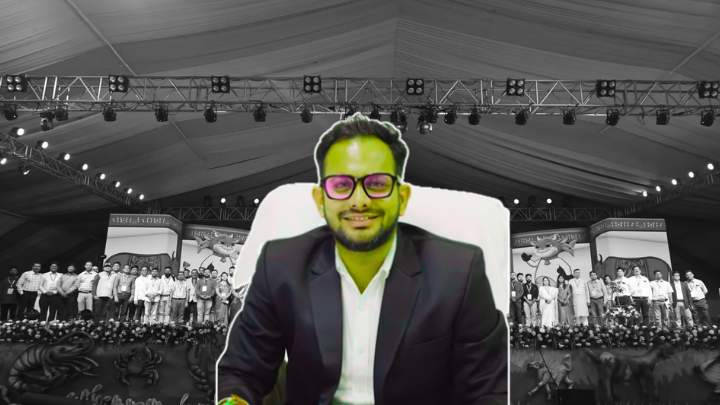
Editor-in-Chief, The Politics Odia
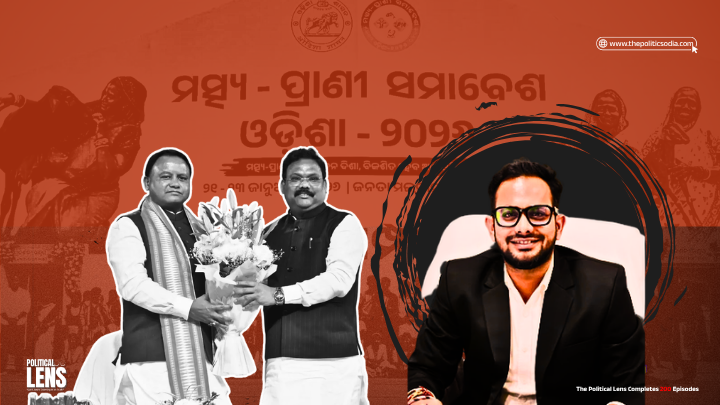
Bhubaneswar: As the BJP government in Odisha marks two years in office, Chief Minister Mohan Charan Majhi has repeatedly asserted that his administration has remained free from corruption and financial irregularities. However, expenditure details related to the Matsya-Prani Samabesh, held at Bhubaneswar’s Janata Maidan from January 21 to 23, are now raising uncomfortable questions about public spending, transparency and accountability.
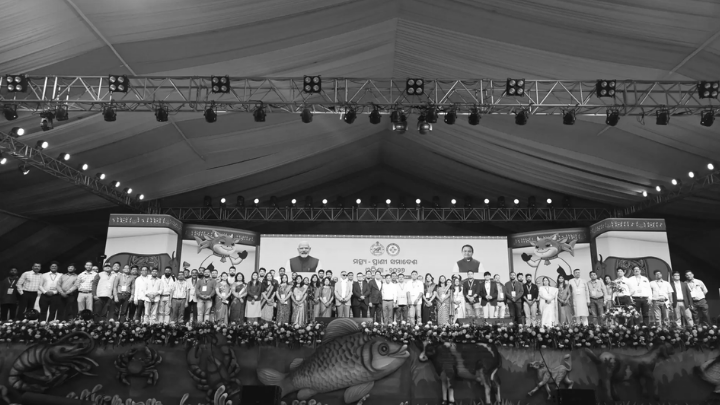
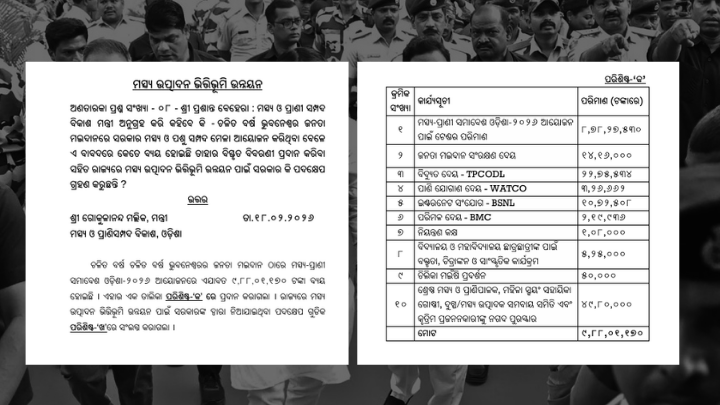
According to information placed on the floor of the Odisha Assembly by Fisheries and Animal Resources Development Minister Gokula Nanda Mallik, in response to a question from Salepur MLA Prasanta Behera, the event involved expenditure exceeding ₹10 crore. Of this, around ₹8.5 crore was reportedly spent through a tender process, while another ₹1.5 crore was incurred through various other heads of expenditure.
The figures themselves are not disputed. They come from the government’s own official response. What is increasingly being questioned is whether such spending can be justified for a three-day government event at a time when the state continues to face financial pressures across multiple sectors.
Why Did a Three-Day Event Cost More Than ₹10 Crore?
The central question is straightforward: What exactly necessitated spending more than ₹10 crore of taxpayer money on a three-day event?

Government events are often justified on grounds of outreach, awareness and stakeholder engagement. But expenditure of this scale naturally invites scrutiny.
A significant portion of the spending reportedly went towards tentage, event infrastructure and associated arrangements, with the work awarded to Seventh Avenue Eventz Pvt. Ltd.
This raises a series of questions:
- How was the expenditure estimated?
- How many bidders participated in the tender process?
- What made this event worth spending over ₹10 crore?
- What measurable outcomes emerged from the programme?
- Has the department conducted any post-event assessment to justify the cost?
These are questions that taxpayers have a right to ask.
The Seventh Avenue Eventz Question
The largest component of the expenditure reportedly relates to work awarded to Seventh Avenue Eventz Pvt. Ltd.
While awarding contracts through tender is not, by itself, evidence of wrongdoing, transparency demands that the government explain why such a substantial amount was allocated for event management and tentage.
The opposition has gone a step further, alleging that extravagant government events are becoming vehicles for transferring large sums of public money to private event management firms.
Some opposition leaders have also alleged the possibility of undue proximity between decision-makers and private contractors. These allegations remain unproven. No evidence has yet been publicly produced to substantiate claims of kickbacks or personal benefit.
However, the seriousness of such allegations underscores the need for complete transparency from the government.
Transparency Is the Best Defence
If every rupee was spent according to established procurement rules, then the government has little to fear from public scrutiny.
The Fisheries and Animal Resources Development Department can put speculation to rest by making public:
- Tender documents
- Bid evaluation reports
- Work orders
- Payment records
- Utilisation certificates
- Event expenditure breakdowns
Such disclosure would allow citizens to judge whether the spending represented value for money.
In democracies, accountability is not established merely by claiming that no corruption has occurred. Accountability requires evidence, transparency and public scrutiny.
The Political Optics Problem
The controversy also comes at a politically sensitive time.
Across Odisha, concerns continue to be raised over welfare delivery, delayed payments and fiscal priorities. Critics argue that while the government spends crores on large-scale public events, many vulnerable citizens continue to depend on timely pensions, welfare support and government services.
Whether or not these criticisms are entirely fair, they contribute to a broader perception problem for the government.
When public money is spent on a massive scale for ceremonial or promotional events, citizens are entitled to ask whether those funds could have been deployed more effectively elsewhere.
Questions Await Answers
At this stage, the expenditure itself is not in dispute. The figures have been acknowledged by the government.
What remains unanswered is whether spending more than ₹10 crore on a three-day event represented prudent use of public resources and whether the procurement process can withstand detailed public scrutiny.
Until those questions are answered with complete transparency, the Matsya-Prani Samabesh expenditure is likely to remain a matter of public debate and political controversy.
Sunil Jena’s Observation
Governments often organise large-scale outreach events to showcase policy achievements and engage stakeholders. However, when expenditure reaches several crores of rupees, public scrutiny becomes inevitable. The most effective response to such questions is not political rhetoric but full disclosure of documents, procurement records and measurable outcomes associated with the spending.
Author Profile

- Sunil Jena is the Editor of The Politics Odia, an independent digital platform that delivers fearless political analysis, ground reports, and investigative stories from Odisha. Known for bold storytelling and grassroots connections, Sunil is shaping a new era of regional journalism.
Latest entries
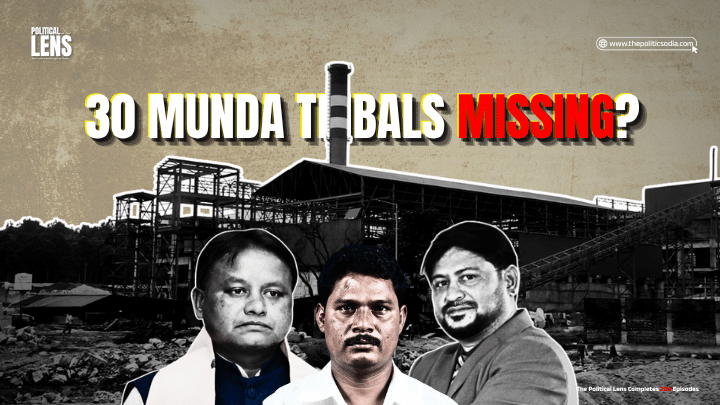 AnalysisSeptember 17, 2026Dilu’s Game, Mohan’s Trouble? 30 Munda Tribals Allegedly Missing, 100+ Acres of Tribal Land Under Question, PM Modi Must Take Note : Super Exclusive
 AnalysisSeptember 11, 2026Thank You, Naveen Babu? BJD’s MMDR Protest Raises Questions Over Leadership and Political Strategy
 AnalysisSeptember 9, 2026CM in Dubai, Mining Mafia in Keonjhar? Who Is Protecting Odisha’s Mineral Wealth?
 AnalysisSeptember 7, 2026Why Is Mineral-Rich Odisha Still Poor? Radhakanta Sethi Takes on the MMDR Bill in Debate with Sunil Jena