Sunil Jena
Editor-in-Chief, The Politics Odia
Bhubaneswar : For more than a month, a student protest over the NEET paper leak kept the Narendra Modi government under pressure. What began as anger over an examination gradually became a larger question of accountability, jobs, education and the government’s relationship with young Indians.
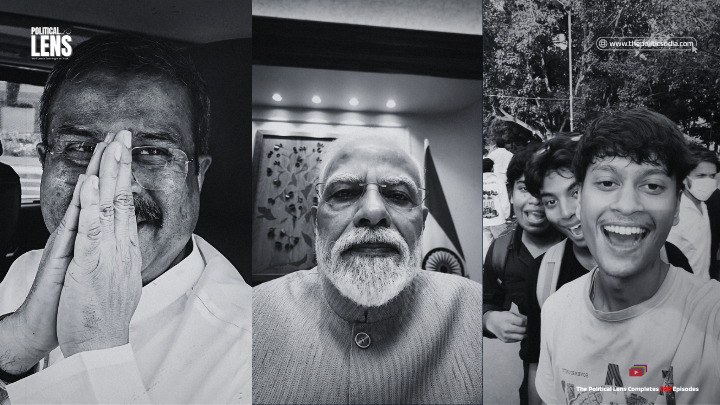
Then came the political decision that changed the course of the agitation. Union Education Minister Dharmendra Pradhan resigned.
The resignation was one of the central demands of the youth-led protest. Soon afterwards, the agitation was called off, while the government moved ahead with measures to reform the examination system. Prime Minister Narendra Modi’s government has also set up a task force for examination reforms and introduced changes aimed at dealing more firmly with paper leaks and examination fraud.

But the political question has not ended with Pradhan’s resignation.
It may only have begun.
Why did Modi agree?
Narendra Modi is not known for easily changing ministers under public pressure. That is why Dharmendra Pradhan’s resignation carries political significance beyond the education ministry.
The government had initially resisted the demand for his removal. As the agitation continued and opposition parties joined the issue inside and outside parliament, the pressure increased.
Eventually, Pradhan stepped down.
It would be easy to read this simply as a victory for the protesters and a setback for the government. But politics rarely ends with one interpretation.
For the BJP, the bigger concern may now be the political mood of a generation that will become increasingly important by the time India votes again in 2029.
Gen Z is no longer just a social media generation
For years, political parties looked at young Indians mainly through the prism of first-time voters, jobs and education.
That equation is changing.
Gen Z lives politically as much on Instagram, YouTube and other digital platforms as it does through traditional rallies, newspapers and television debates. Political narratives can now be created, challenged and dismantled within hours.
The recent youth agitation demonstrated that this generation can also move from the phone screen to the street.
Reuters described the protests as the most significant youth-led political challenge Modi has faced since coming to power in 2014. The agitation also exposed wider anxieties among young Indians over education, employment and economic insecurity.
That is the part political parties cannot ignore.
Modi’s Instagram outreach is worth watching
There is another interesting development.
Modi has increasingly been communicating directly with young people through digital platforms. After announcing examination reforms, he used Instagram to thank young people for their response and suggestions.
The BJP is also showing signs of reassessing its youth outreach after the recent Gen Z agitation, including through greater digital engagement and youth-focused programmes.
This does not automatically mean that every government decision is part of a carefully designed 2029 electoral strategy.
But it does show that the political importance of Gen Z has been recognised.
The BJP understands social media better than most Indian political parties. Modi himself built a powerful direct communication model over the past decade, often bypassing traditional political communication.
The next challenge is different.
Can that model work equally effectively with a younger generation that is more sceptical, impatient and willing to publicly challenge institutions?
Dharmendra Pradhan’s resignation may have contained the immediate crisis
This is where Pradhan’s resignation becomes politically interesting.
Removing one minister could help separate the controversy from the prime minister and the government as a whole.
It also allowed the Centre to tell protesting students that their demand for accountability had been heard.
The protesters celebrated Pradhan’s resignation as a victory. The government, meanwhile, moved quickly towards examination reforms.
In electoral politics, sometimes conceding ground on one issue can prevent anger from spreading into something much larger.
Whether that was the calculation here cannot be established without evidence.
But politically, the effect is clear: Pradhan exited, the agitation ended, and the government shifted the conversation towards reform.
And what about Rahul Gandhi?
The developments also create an interesting challenge for Rahul Gandhi and the Congress.
Rahul backed the protesting students and described Pradhan’s resignation as a victory for India’s youth.
For the opposition, youth anger offers an obvious political opportunity. Questions around unemployment, competitive examinations, paper leaks and educational pressure can become powerful electoral issues.
But supporting an agitation is one thing. Converting that sentiment into durable political support is another.
That contest will not be decided only by speeches in parliament.
It will increasingly be fought on smartphones.
2029 could see a different political battlefield
The importance of Gen Z will only increase by the next Lok Sabha election. Recent estimates suggest that by 2029, Gen Z could become India’s largest adult generational group.
That means BJP, Congress and regional parties will all have to rethink how they communicate with young voters.
The old formula of a rally, a manifesto and a television campaign will not be enough.
Young voters will ask about jobs, examinations, education costs, corruption, opportunities and accountability. They will also fact-check politicians in real time.
That creates both an opportunity and a danger for Modi.
If he succeeds in rebuilding a strong connection with this generation, BJP could enter 2029 with another formidable voter constituency.
If the anger expressed during the recent protests becomes part of a broader dissatisfaction among young voters, the same generation could become one of BJP’s biggest political challenges.
That is why Dharmendra Pradhan’s resignation should perhaps not be viewed only through the story of one minister.
The bigger story is the generation standing behind the controversy.
And 2029 is still three years away.
The Political Lens By Sunil Jena
The recent youth agitation has shown that Gen Z is emerging as an independent political force rather than merely a social-media demographic. For the BJP, Congress and other parties, the real challenge before 2029 will be whether they can turn digital engagement into trust by addressing education, employment and accountability.
Author Profile

- Sunil Jena is the Editor of The Politics Odia, an independent digital platform that delivers fearless political analysis, ground reports, and investigative stories from Odisha. Known for bold storytelling and grassroots connections, Sunil is shaping a new era of regional journalism.
Latest entries
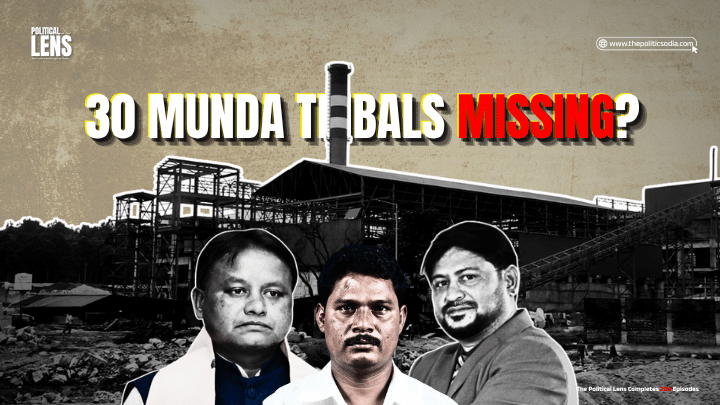 AnalysisSeptember 17, 2026Dilu’s Game, Mohan’s Trouble? 30 Munda Tribals Allegedly Missing, 100+ Acres of Tribal Land Under Question, PM Modi Must Take Note : Super Exclusive
 AnalysisSeptember 11, 2026Thank You, Naveen Babu? BJD’s MMDR Protest Raises Questions Over Leadership and Political Strategy
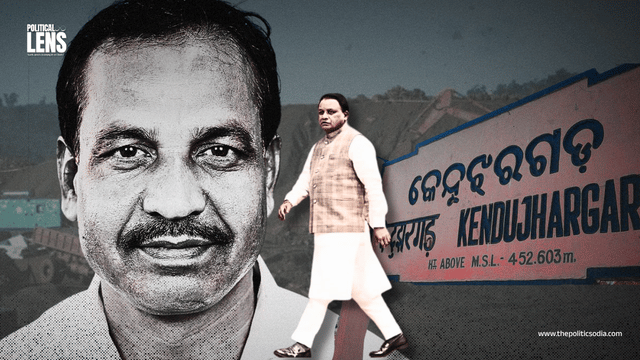 AnalysisSeptember 9, 2026CM in Dubai, Mining Mafia in Keonjhar? Who Is Protecting Odisha’s Mineral Wealth?
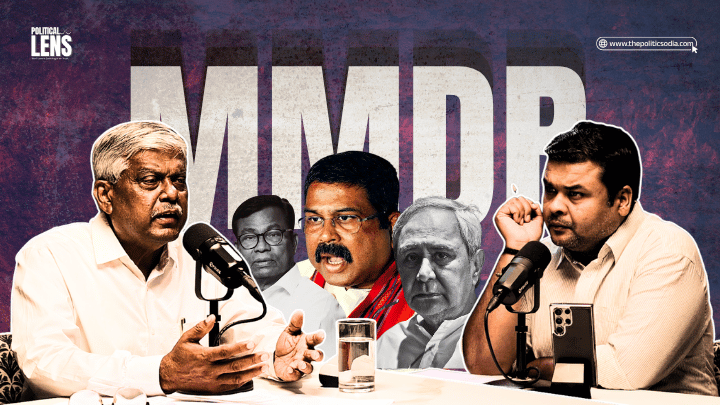 AnalysisSeptember 7, 2026Why Is Mineral-Rich Odisha Still Poor? Radhakanta Sethi Takes on the MMDR Bill in Debate with Sunil Jena