By Sunil Jena
Editor-in-Chief, The Politics Odia
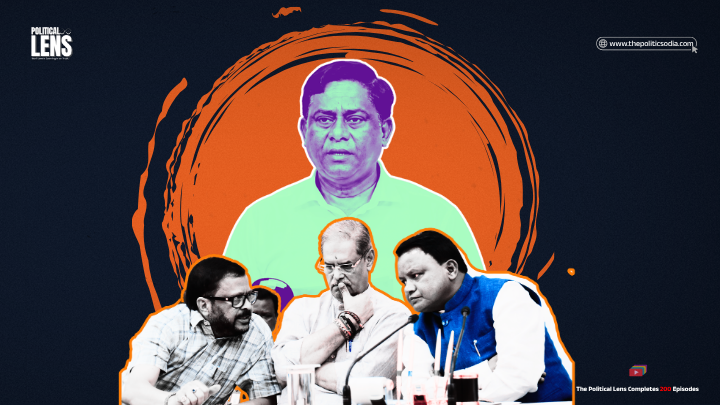
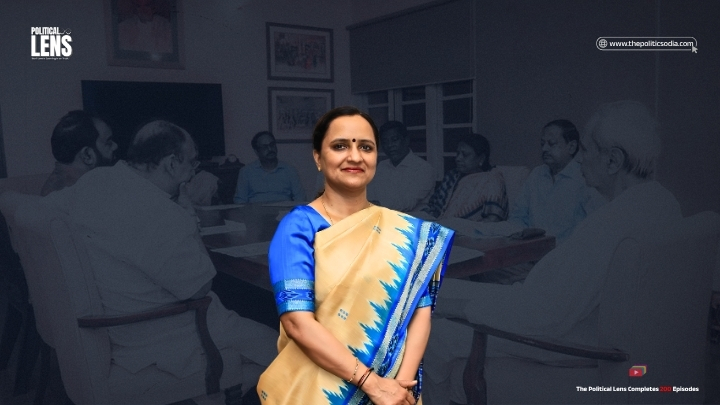
Bhubaneswar : The Biju Janata Dal is preparing for a fresh round of political mobilisation in Odisha. At a meeting of the party’s Political Affairs Committee chaired by Naveen Patnaik, the party decided to take up farmers’ issues, the MMDR Amendment Bill and errors in school textbooks on the streets.
The decision comes at a time when the BJD is trying to rebuild its political momentum after losing power in Odisha. The party has increasingly been looking for issues that can take its opposition to the BJP government beyond Assembly statements and press conferences.
Farmers are likely to be one of the major areas of confrontation.
The Agristack registration process has already triggered protests among sections of farmers and farmer organisations, particularly in western Odisha. The opposition has raised concerns over registration difficulties and the possibility of genuine cultivators facing problems during paddy procurement.

The MMDR Amendment Bill is another issue on which the BJD intends to intensify its campaign. Mining and mineral resources remain politically sensitive in Odisha, particularly because of their connection with tribal rights, land and the state’s economy.
The party has also decided to raise the issue of errors in school textbooks. The controversy over mistakes in government textbooks has already generated political pressure on the BJP government and its education administration.
But while the decisions taken at the meeting are politically significant, another development has attracted attention.
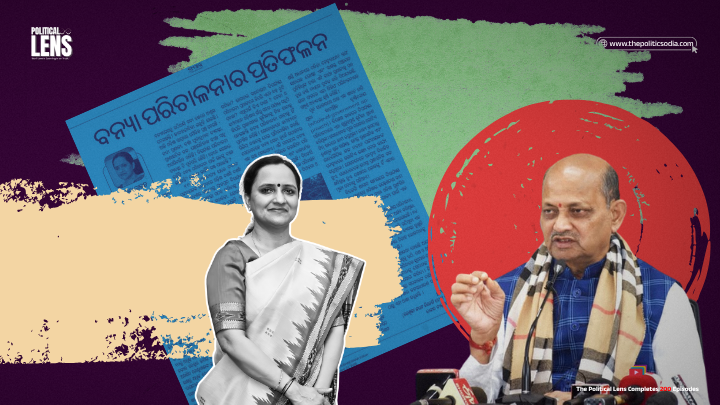
Sujata Rout was reportedly absent from the meeting.
Her absence has triggered speculation because of the growing political attention around her following her entry into the BJD in the presence of Naveen Patnaik.
However, absence from a single meeting by itself does not establish a change in political standing or indicate that the party has adopted a “minus Sujata” strategy. The significance of the absence will depend on her future role in the party and whether she participates in the BJD’s upcoming political programmes.
That distinction is important.
The BJD is currently facing the challenge of rebuilding its organisational structure while keeping Naveen Patnaik at the centre of its political strategy. The party’s latest decision suggests that it wants to move towards a more active opposition role.
For Naveen Patnaik, taking the party to the streets could also be an attempt to reconnect with workers and supporters at the grassroots level.
For the BJP government, meanwhile, the coming protests could become an important test of its ability to handle opposition pressure on farmers, mining policy and education.
The political contest is therefore moving beyond Assembly numbers.
The BJD wants to demonstrate that it can remain an effective opposition force. The BJP will look to show that the government can address public concerns without allowing the opposition to dominate the political narrative.
The question surrounding Sujata Rout is likely to remain part of the political discussion, but the larger story is the BJD’s attempt to find a new political rhythm under Naveen Patnaik.
If the party’s proposed street programmes gain traction among farmers, students and other sections of society, the BJD could regain some political momentum.
If they fail to generate wider public participation, questions about the party’s organisational strength and political direction could become sharper.
For now, the message from the BJD meeting is clear: the party is preparing to take its fight against the BJP government from the political meeting room to the streets.
Sunil Jena’s Observation:
The BJD’s decision to intensify street protests indicates a shift towards a more aggressive opposition strategy. The Sujata Rout question will attract attention, but one meeting cannot determine her long-term position in the party. The real test for the BJD will be whether these issues can translate into sustained public mobilisation and organisational momentum.
Author Profile

- Sunil Jena is the Editor of The Politics Odia, an independent digital platform that delivers fearless political analysis, ground reports, and investigative stories from Odisha. Known for bold storytelling and grassroots connections, Sunil is shaping a new era of regional journalism.
Latest entries
 AnalysisSeptember 22, 2026Opposition Parties Hold Rally in Rayagada Seeking Repeal of MMDR Amendment Act 2026
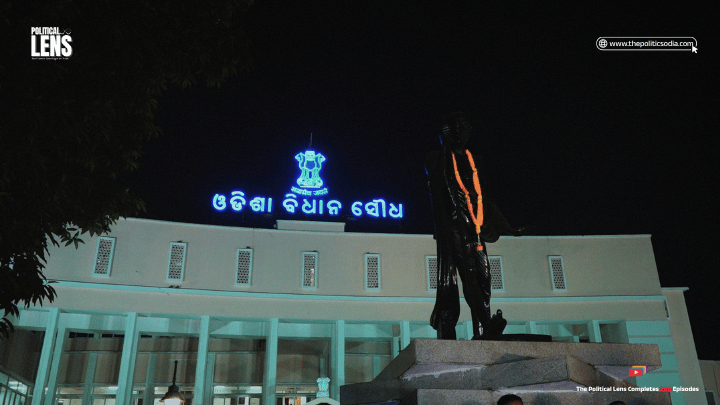 AnalysisSeptember 22, 2026Odisha Assembly Adjourned Till 1:10 PM Amid Opposition Uproar on First Day of Monsoon Session
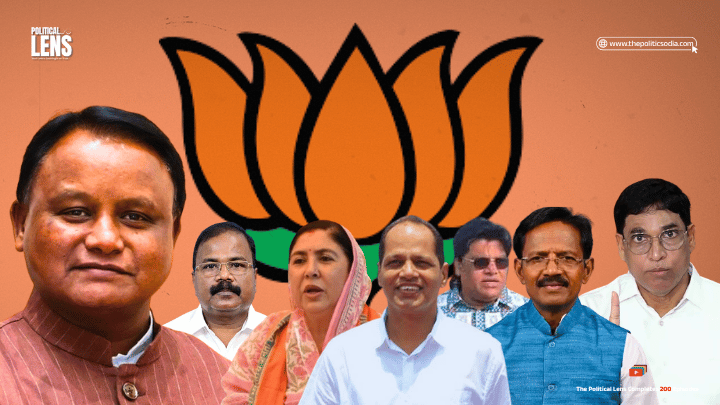 AnalysisSeptember 21, 2026BJP MPs, MLAs Flag Delays in Development Projects; Letters Trigger Fresh Political Row in Odisha
 AnalysisSeptember 11, 2026Thank You, Naveen Babu? BJD’s MMDR Protest Raises Questions Over Leadership and Political Strategy