By Sunil Jena | Editor-in-Chief | The Politics Odia
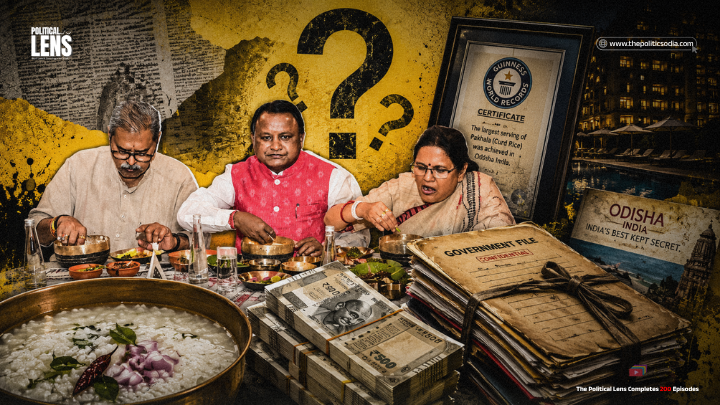
Bhubaneswar : The Odisha government’s ambitious Pakhala Dibasa celebration, organised by the Tourism Department in March, has now become the subject of intense public debate after official expenditure details revealed that over ₹2.32 crore was spent on the event.
While the celebration was projected as an initiative to promote Odisha’s culinary heritage globally, questions are now being raised over whether such a large expenditure from the public exchequer was justified.
According to expenditure details available, the Tourism Department reportedly spent around ₹2.32 crore for organising the event. Of this, approximately ₹1.54 crore was paid to the Odisha Tourism Development Corporation (OTDC) for event management, while another ₹77.88 lakh went to a private event management agency.
The expenditure list also includes nearly ₹31.35 lakh paid towards Guinness World Records certification, about ₹6.6 lakh as supervision charges, and approximately ₹5 lakh towards airfare, hotel accommodation, souvenirs and hospitality for chefs invited from outside Odisha.

The event also reportedly included spending on designer waistcoats for serving staff purchased through Boyanika, payments to social media influencers for digital promotion, and hospitality expenses across several premium hotels in Bhubaneswar.
One of the most discussed aspects has been reports that bills for chicken biryani and premium bottled mineral water were generated during the Pakhala celebration, prompting critics to question their relevance to an event intended to celebrate Odisha’s traditional fermented rice dish.
Supporters of the programme argue that promoting Pakhala internationally could strengthen Odisha’s tourism brand and food heritage. However, critics contend that cultural promotion should be accompanied by financial transparency and measurable outcomes.
Several observers have also questioned whether the funds could have been utilised for tourism infrastructure, skill development, local entrepreneurship, or support for traditional food businesses instead.
The debate has also shifted towards accountability. Public finance experts believe that whenever taxpayer money is used for large promotional events, governments should place before the public a transparent assessment of expenditure, expected benefits, tourism impact and long-term returns.
The controversy has once again highlighted the broader debate between cultural branding and public expenditure, raising questions about priorities in the use of government resources.
The Political Lens By Sunil Jena
Public spending on cultural promotion is not unusual, but transparency determines public trust. When significant taxpayer funds are allocated for promotional events, governments are increasingly expected to disclose measurable outcomes, financial accountability and long-term public value. Such transparency strengthens both governance and public confidence.
Author Profile

- Sunil Jena is the Editor of The Politics Odia, an independent digital platform that delivers fearless political analysis, ground reports, and investigative stories from Odisha. Known for bold storytelling and grassroots connections, Sunil is shaping a new era of regional journalism.
Latest entries
 AnalysisSeptember 22, 2026Opposition Parties Hold Rally in Rayagada Seeking Repeal of MMDR Amendment Act 2026
 AnalysisSeptember 22, 2026Odisha Assembly Adjourned Till 1:10 PM Amid Opposition Uproar on First Day of Monsoon Session
 AnalysisSeptember 21, 2026BJP MPs, MLAs Flag Delays in Development Projects; Letters Trigger Fresh Political Row in Odisha
 AnalysisSeptember 11, 2026Thank You, Naveen Babu? BJD’s MMDR Protest Raises Questions Over Leadership and Political Strategy