By Sunil Jena
Editor-in-Chief, The Politics Odia
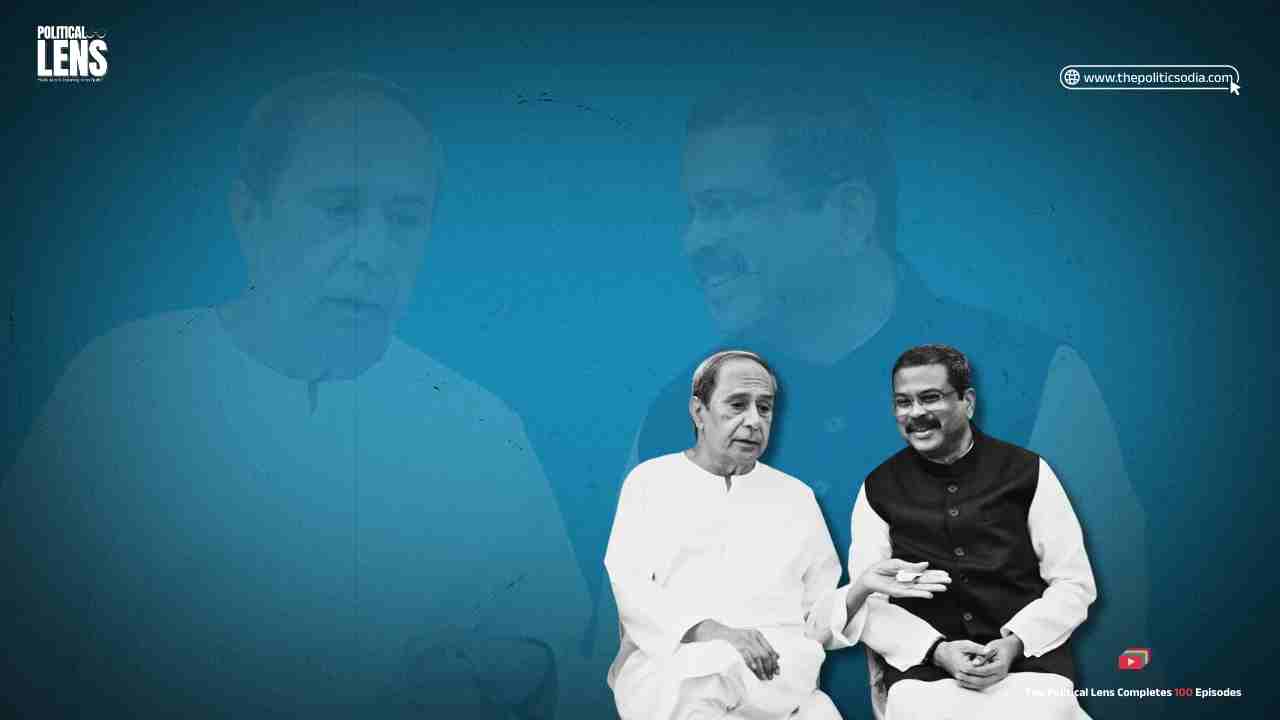
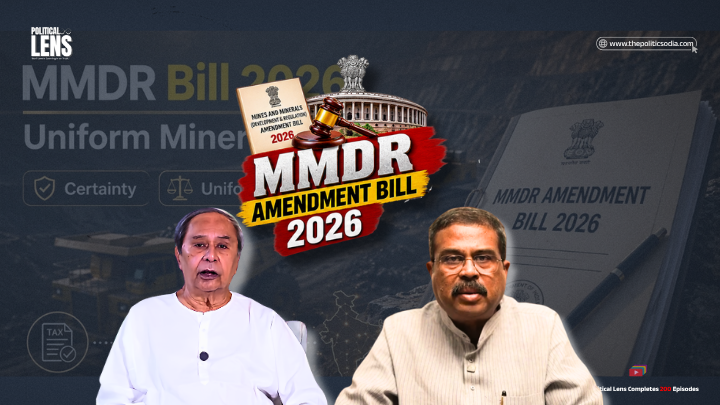
Bhubaneswar: The political battle over the MMDR Amendment Bill, 2026 has taken a sharper turn in Odisha, with Opposition Leader Naveen Patnaik warning that the state could be pushed into a position where it has to depend on the Centre for money despite being one of the country’s richest states in mineral resources.
Naveen has strongly opposed the legislation and questioned whether Odisha will continue to have adequate control over the revenue generated from its own mineral resources. His message was political, but the question he raised goes to the heart of Odisha’s economy: if the state owns enormous mineral wealth, how much control should it have over the revenue generated from that wealth?
Naveen has appealed to political parties to put aside their differences and come together in the interest of Odisha. He has also questioned the role of Odisha’s 20 BJP MPs in Parliament, alleging that they failed to raise their voice strongly enough when the Bill was being discussed.
According to Naveen, the amendment weakens Odisha’s position over its mineral resources and could affect the state’s financial interests in the long run. He has also linked the issue to the future of the younger generation, arguing that Odisha should not allow its economic strength to be weakened.

The BJD has already decided to make the issue a major political campaign.
Senior BJD leader and Athagarh MLA Ranendra Pratap Swain has also opposed the amendment, claiming that Odisha could lose around Rs 1 lakh crore in mineral revenue and pending claims because of the new legislation.
But the BJP has a completely different version of the story.
Union Minister and Sambalpur MP Dharmendra Pradhan has launched a strong counterattack against Naveen Patnaik. In a video message, Pradhan accused the former Chief Minister of trying to politically exploit the issue by presenting what he described as an incomplete picture of the Bill.
Pradhan’s argument is that the amendment is not designed to take away Odisha’s mineral revenue. According to him, the state will continue to receive its auction premium, royalty and DMF revenue. He has argued that the new provisions are intended to prevent excessive and multiple taxation on mining companies and create a uniform framework across states.
The BJP’s larger argument is that excessive taxation could ultimately hurt the mining and industrial sector. Pradhan has claimed that very high tax burdens could make mining operations financially difficult, affecting industries and employment in mineral-rich districts such as Keonjhar, Sundargarh, Jharsuguda, Angul and Jajpur.
The political fight, therefore, has now moved beyond the question of whether the Bill is good or bad.
It has become a battle over competing versions of Odisha’s economic future.
Naveen is asking: who controls Odisha’s mineral wealth and the revenue generated from it?
Dharmendra Pradhan is asking a different question: what happens if mining companies face excessive taxation and investment and employment suffer?
Both arguments are now being placed before the people of Odisha.
There is also a battle over history.
Pradhan has compared Odisha’s mining revenue before and after the mining reforms introduced by the Narendra Modi government. He has argued that Odisha’s mineral revenue increased substantially after changes in the MMDR framework, including auction-based allocation of mines, changes in royalty and the creation of DMF.
He has also attacked Naveen’s 24-year record, pointing to the state’s debt burden at the end of the previous government.
Naveen, on the other hand, is presenting the MMDR amendment as a question of Odisha’s rights and economic autonomy.
This is where the political messaging becomes particularly interesting.
For years, Odisha’s mineral wealth has been at the centre of the state’s politics. Governments have depended heavily on mining revenue, while political parties have repeatedly promised that the benefits of mineral resources should reach ordinary people.
Yet the mineral debate has never been only about revenue.
It is also about land, environment, tribal communities, industrialisation, employment and the long-term economic security of the state.
The MMDR amendment has therefore reopened an old question in a new form: does Odisha have enough control over its own natural wealth?
And if the answer is yes, the government must explain exactly how.
If the answer is no, the opposition must explain what alternative it proposes.
This is also why the role of Odisha’s MPs deserves scrutiny.
Twenty BJP MPs represent Odisha in Parliament. If Naveen’s allegation is that Odisha’s interests were not adequately defended, the BJD must place evidence before the public. At the same time, the BJP MPs should explain what they supported, why they supported it and what they believe Odisha stands to gain from the new legislation.
People of Odisha should not have to choose between two political speeches without knowing the numbers.
The government should place the actual revenue implications before the public.
The opposition should also substantiate its claims with clear calculations.
Only then can the debate move beyond slogans such as “Odisha will beg” or “Odisha will gain”.
For the moment, however, the political battle is clearly intensifying.
Naveen Patnaik is trying to turn the MMDR Bill into a question of Odisha’s rights and self-respect. Dharmendra Pradhan is attempting to counter that narrative by presenting the Bill as a reform that protects the mining industry, jobs and long-term state revenue.
Between these two narratives lies the real story.
Odisha has the minerals. The question is who gets the maximum economic benefit from them, how that benefit is collected and whether the people of the state actually see the returns.
That is the debate Odisha needs to have.
Sunil Jena’s Observation:
The MMDR Bill should not be reduced to a political contest between Naveen Patnaik and Dharmendra Pradhan. Naveen’s concerns about Odisha’s financial autonomy need to be answered with data, while the BJP’s claim that the Bill protects state revenue also needs to be demonstrated with actual figures. Odisha’s mineral wealth belongs to the state’s economic future, and the people deserve a clear account of what this amendment means for that future.
Author Profile

- Sunil Jena is the Editor of The Politics Odia, an independent digital platform that delivers fearless political analysis, ground reports, and investigative stories from Odisha. Known for bold storytelling and grassroots connections, Sunil is shaping a new era of regional journalism.
Latest entries
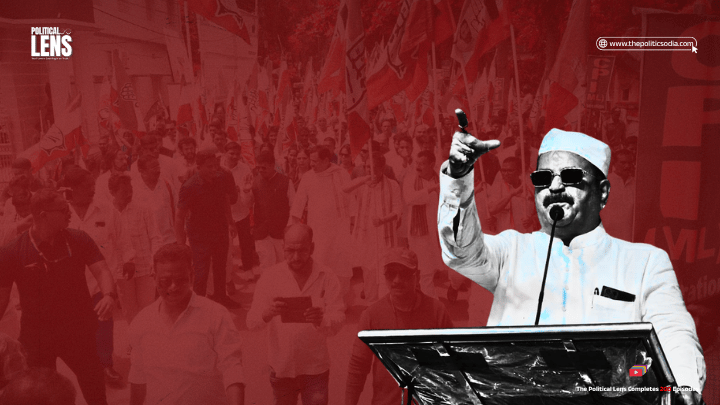 AnalysisSeptember 22, 2026Opposition Parties Hold Rally in Rayagada Seeking Repeal of MMDR Amendment Act 2026
 AnalysisSeptember 22, 2026Odisha Assembly Adjourned Till 1:10 PM Amid Opposition Uproar on First Day of Monsoon Session
 AnalysisSeptember 21, 2026BJP MPs, MLAs Flag Delays in Development Projects; Letters Trigger Fresh Political Row in Odisha
 AnalysisSeptember 11, 2026Thank You, Naveen Babu? BJD’s MMDR Protest Raises Questions Over Leadership and Political Strategy