Sunil Jena
Editor-in-Chief, The Politics Odia
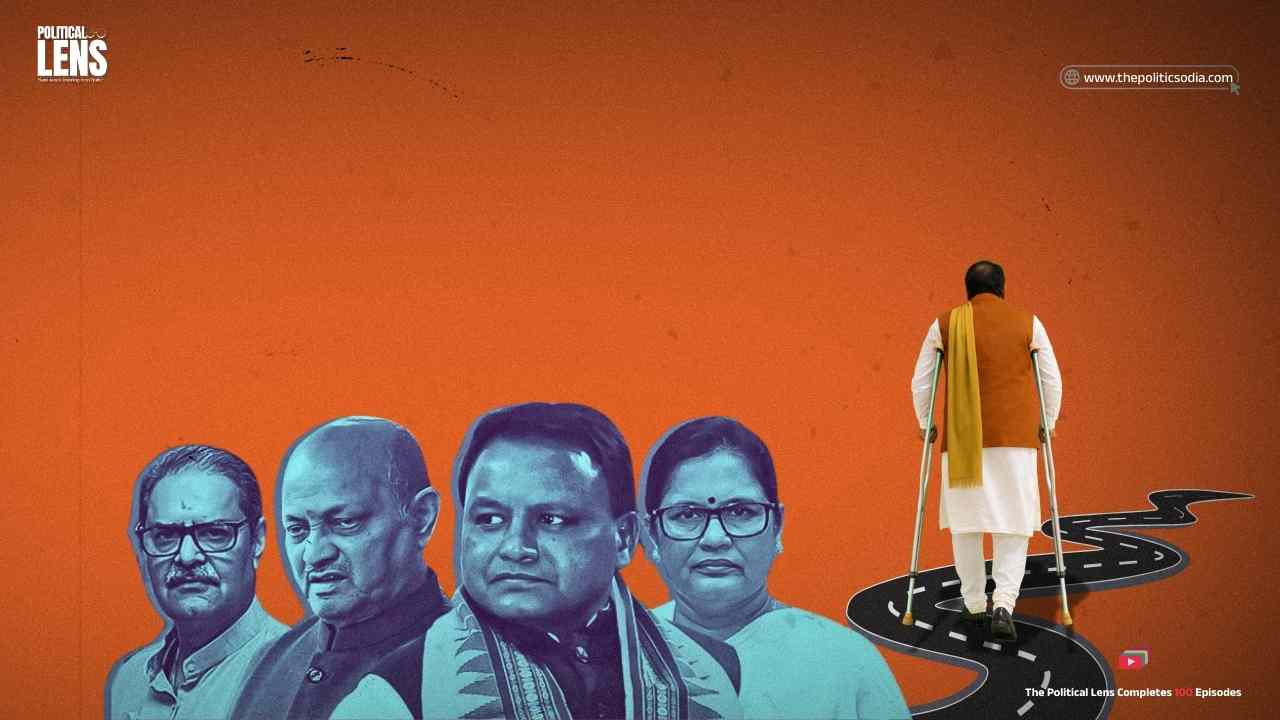
Bhubaneswar: The controversy over errors in Odisha’s new school textbooks is no longer confined to classrooms. What began with questions over mistakes in books has now turned into a political battle over responsibility and accountability.
At the centre of this battle is School and Mass Education Minister Nityananda Gond.
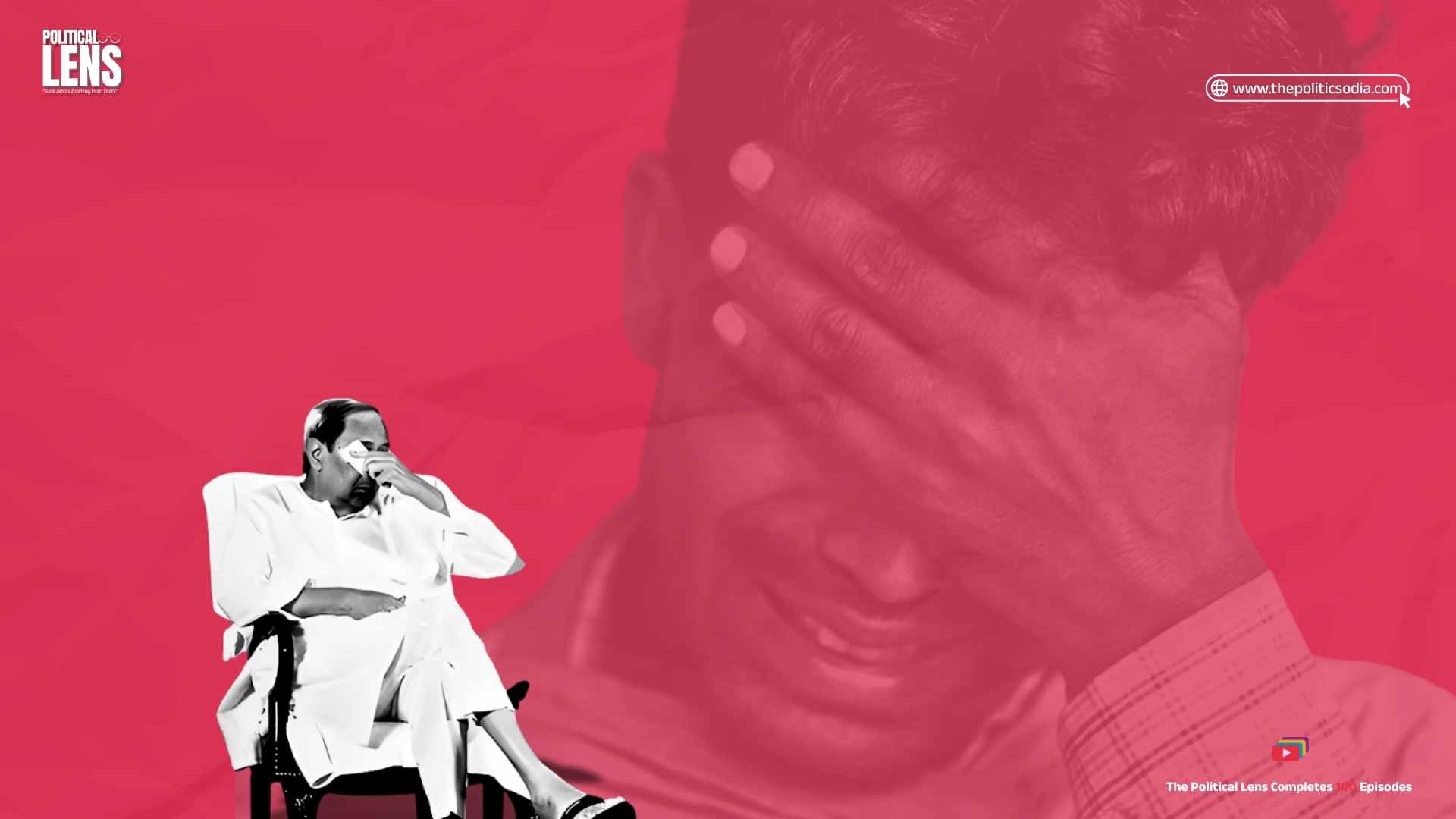
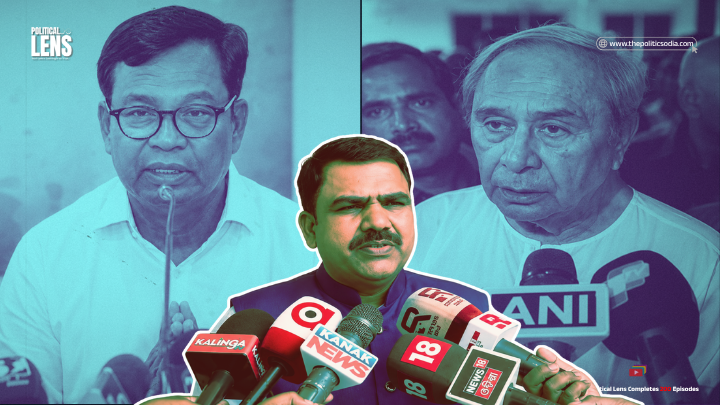
BJD president and Leader of Opposition Naveen Patnaik has demanded Gond’s resignation, arguing that the scale and seriousness of the textbook errors require political accountability at the ministerial level. He has also drawn a direct comparison with Dharmendra Pradhan, asking Gond to follow the former Union education minister’s example and step down.
This comparison has changed the nature of the debate.

Until recently, the government’s response to the textbook controversy was largely administrative. Officials were held responsible, action was initiated and the focus remained on identifying how the errors entered the books.
The opposition is now asking a different question: can responsibility end with officials?
Naveen Patnaik raises the political stakes
Naveen Patnaik’s intervention has given the issue a new political dimension.
The BJD has been raising the textbook controversy for weeks, but the demand for the minister’s resignation has taken the confrontation to another level. Naveen has also directed his party to intensify its agitation over the issue.
For the BJD, the argument is straightforward. School textbooks are not ordinary government publications. They are prepared under an official system, approved through different stages and eventually placed in the hands of children.
If serious errors survive all those stages, the party argues, accountability cannot stop with a few officers.
The BJP has rejected the opposition’s attack and questioned the BJD’s right to lecture the government on political morality.
That has ensured that what started as an education controversy is now becoming a BJP-BJD political confrontation.
Congress adds another layer of pressure
The BJD is not alone.
The Odisha Congress has also demanded Nityananda Gond’s resignation and announced a statewide agitation over the textbook issue.
OPCC president Bhakta Charan Das has gone further. He has given the minister seven days to resign and warned that Congress could call an Odisha bandh if the demand is not accepted.
This puts the Mohan Charan Majhi government in an interesting position.
BJD and Congress may have different political strategies, but on this issue both opposition parties are trying to push the debate from administrative negligence towards ministerial responsibility.
The Dharmendra Pradhan comparison
This is where Dharmendra Pradhan’s resignation becomes politically important in Odisha.
Naveen Patnaik is effectively using the same standard of accountability against the state government.
The political argument is simple: if a Union education minister can accept responsibility amid a major education-related controversy, why should the same principle not apply to Odisha’s education minister?
Whether the two cases are comparable in their facts is open to debate. But politically, the comparison is powerful.
It creates a difficult question for the BJP.
The party can argue that officials directly responsible for the textbook process have already faced action. The opposition, however, can continue asking whether administrative action alone is enough when the controversy concerns thousands of schoolchildren and the credibility of the state’s education system.
The issue is bigger than one minister
There is another question that should not disappear in the political fight over resignation.
How did so many errors reach printed textbooks in the first place?
A textbook normally passes through several stages — writing, editing, academic review, proofreading, approval, printing and distribution. If errors survive this entire chain, the problem may not lie with only one individual.
That makes institutional accountability as important as political accountability.
Removing an officer or even changing a minister cannot by itself guarantee that the same problem will not happen again.
The government needs to establish where the process failed, who approved the material, whether adequate academic scrutiny took place and what changes will be introduced before the next set of textbooks reaches students.
That is ultimately more important for parents and children than the political argument over who wins or loses this controversy.
A political test for Mohan Majhi
The final decision will inevitably bring Chief Minister Mohan Charan Majhi into the political picture.
If the government continues to back Nityananda Gond, it will have to convince the public that action against officials and reforms within the department are sufficient.
If further action is taken against the minister, the opposition will claim that its pressure worked.
Either way, the government cannot easily ignore the issue now.
With BJD increasing its campaign and Congress threatening a wider agitation, the textbook controversy has acquired a political life of its own.
For Naveen Patnaik, it offers an opportunity to put the government on the defensive over governance and accountability.
For Congress, it provides another issue around which it can attempt to mobilise public opinion.
And for the BJP government, the challenge is to prevent an education controversy from becoming a larger perception problem.
The question, therefore, is no longer only whether Nityananda Gond will resign.
The bigger question is what standard of accountability the Mohan Majhi government wants to establish when a serious administrative failure takes place.
That answer may determine how long this controversy survives in Odisha politics.
The Political Lens By Sunil Jena
The textbook controversy has moved beyond errors in printed pages and become a test of political and administrative accountability. Whether Nityananda Gond remains in office or not, the larger challenge for the government is to restore confidence in the textbook review system while responding transparently to questions raised by the opposition and the public.
Author Profile

- Sunil Jena is the Editor of The Politics Odia, an independent digital platform that delivers fearless political analysis, ground reports, and investigative stories from Odisha. Known for bold storytelling and grassroots connections, Sunil is shaping a new era of regional journalism.
Latest entries
 AnalysisSeptember 17, 2026Dilu’s Game, Mohan’s Trouble? 30 Munda Tribals Allegedly Missing, 100+ Acres of Tribal Land Under Question, PM Modi Must Take Note : Super Exclusive
 AnalysisSeptember 11, 2026Thank You, Naveen Babu? BJD’s MMDR Protest Raises Questions Over Leadership and Political Strategy
 AnalysisSeptember 9, 2026CM in Dubai, Mining Mafia in Keonjhar? Who Is Protecting Odisha’s Mineral Wealth?
 AnalysisSeptember 7, 2026Why Is Mineral-Rich Odisha Still Poor? Radhakanta Sethi Takes on the MMDR Bill in Debate with Sunil Jena