By Sunil Jena
Editor-in-Chief | The Politics Odia
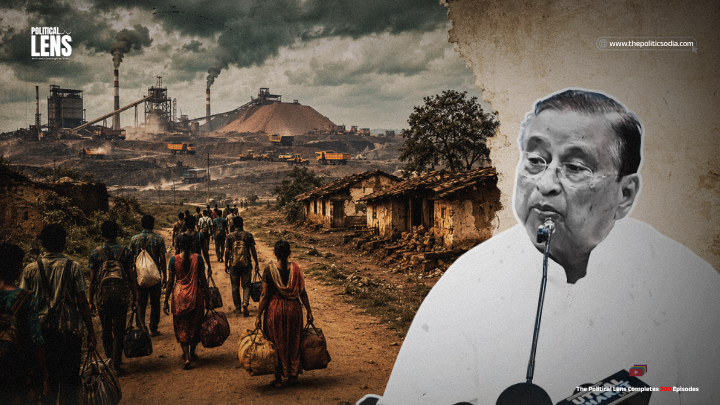
Bhubaneswar : The deaths of Odia migrant workers in the recent gas leak incident in Tamil Nadu have once again brought attention to a long-standing issue that extends far beyond a single industrial accident. For many in Odisha, the tragedy has become a moment to ask whether development has truly reached some of the state’s most vulnerable communities.
Among those affected were young women from the Juang tribe in Keonjhar district, one of Odisha’s oldest tribal communities. Many had travelled hundreds of kilometres in search of work because employment opportunities closer to home were limited.
A Mining-Rich District, Yet Migration Continues
Keonjhar occupies a unique position in Odisha. It is one of India’s richest mining districts, contributing significantly to the state’s mineral economy through iron ore and manganese production.
The district also carries political significance. It is the home district of Odisha Chief Minister Mohan Charan Majhi.

For many observers, this creates an unavoidable question: if a district with such economic importance continues to witness migration driven by livelihood concerns, what does that indicate about the reach of development?
Some local residents describe the situation with the Odia phrase “Deepa Tala Andhara”—the darkness beneath the lamp—suggesting that despite visible economic wealth, many communities continue to struggle with basic livelihood opportunities. This reflects a local sentiment rather than an established fact, but it captures the frustration expressed by many families.
The Juang Development Agency Under Scrutiny
The Juang Development Agency was created with the objective of improving education, livelihoods and socio-economic conditions for one of Odisha’s Particularly Vulnerable Tribal Groups (PVTGs).
Questions are now being asked about the effectiveness of these interventions.
Residents and activists are asking:
- Have livelihood programmes reached enough young people?
- How many sustainable local jobs have actually been created?
- How much of the allocated budget has translated into measurable outcomes?
- Have migration trends reduced over the years?
These questions have gained urgency after the recent tragedy.
Migration Was Not a Choice, But an Economic Compulsion
Interviews with returning workers suggest that many migrated because they saw no viable alternative.
Workers described:
- Long working hours of around 12 hours a day.
- Monthly earnings reportedly ranging between ₹12,000 and ₹15,000.
- Congested accommodation shared by multiple workers.
- Limited food options.
- Wage deductions when leave was taken.
Whether these experiences reflect wider labour conditions requires broader official investigation, but they highlight the economic vulnerability that pushed many to migrate.
Beyond Compensation: The Larger Policy Question
Public debate often focuses on compensation after such tragedies.
However, an equally important question remains:
Why are young tribal workers compelled to leave their villages in the first place?
If migration is driven primarily by lack of local employment, then preventing future tragedies may require more than financial assistance after accidents. It may require stronger local economic opportunities.
Political Debate Intensifies
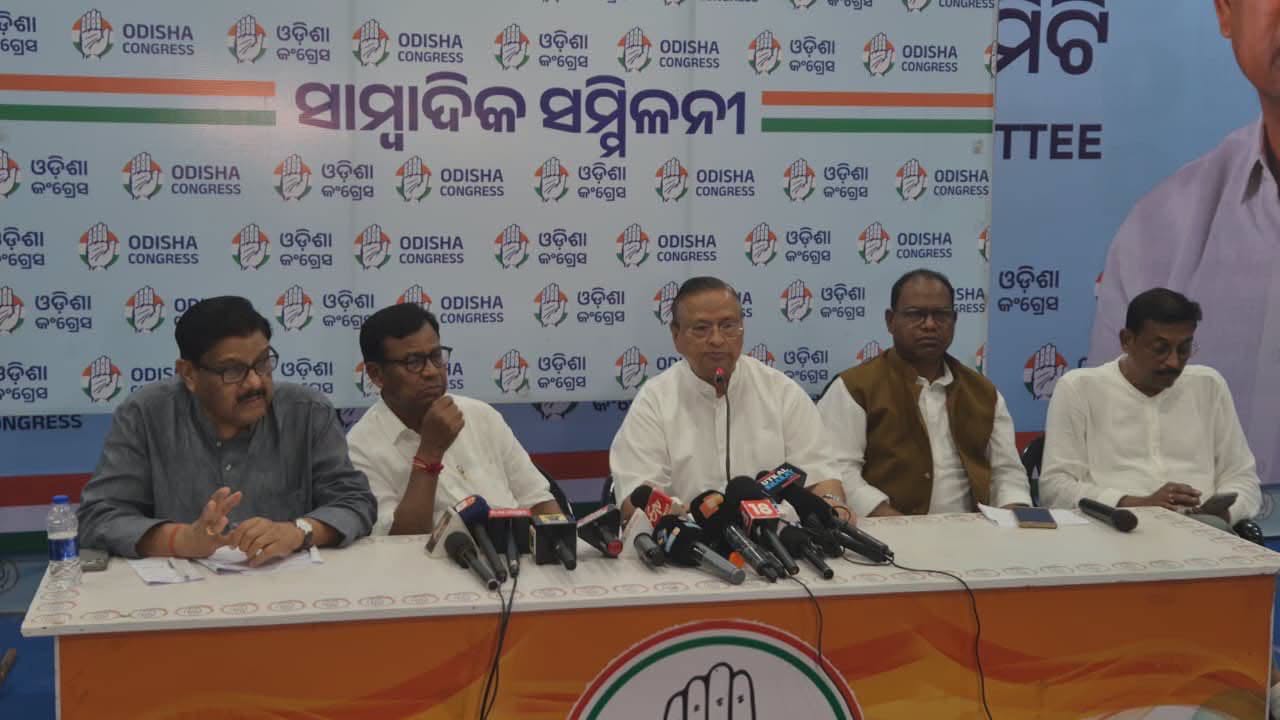
The issue has also entered Odisha’s political discourse.
The Congress has criticised the government’s handling of tribal development and questioned whether existing institutions have effectively improved conditions in Juang areas.
The state government has, on several occasions, highlighted its commitment to tribal welfare and development programmes. Any comprehensive assessment of the issue will ultimately depend on official data, programme outcomes and independent evaluation.
The Larger Development Question
The tragedy has reopened an uncomfortable debate.
Can a district known for its mineral wealth ensure dignified livelihoods for its indigenous communities?
Can development be measured only through investment and revenue, or should it also be judged by whether young people are able to build a future without leaving home?
These questions deserve careful public discussion—not only in the aftermath of a tragedy, but as part of a broader conversation about governance, inclusion and tribal development.
Sunil Jena’s Observation
The deaths in Tamil Nadu have become more than an industrial accident. They have drawn attention to deeper questions about migration, employment and the effectiveness of development programmes in tribal regions. A balanced public discussion should examine both the implementation of welfare schemes and the structural challenges that continue to push vulnerable communities to migrate. Sustainable local livelihoods remain central to reducing such risks in the future.
Author Profile

- Sunil Jena is the Editor of The Politics Odia, an independent digital platform that delivers fearless political analysis, ground reports, and investigative stories from Odisha. Known for bold storytelling and grassroots connections, Sunil is shaping a new era of regional journalism.
Latest entries
 AnalysisSeptember 22, 2026Opposition Parties Hold Rally in Rayagada Seeking Repeal of MMDR Amendment Act 2026
 AnalysisSeptember 22, 2026Odisha Assembly Adjourned Till 1:10 PM Amid Opposition Uproar on First Day of Monsoon Session
 AnalysisSeptember 21, 2026BJP MPs, MLAs Flag Delays in Development Projects; Letters Trigger Fresh Political Row in Odisha
 AnalysisSeptember 11, 2026Thank You, Naveen Babu? BJD’s MMDR Protest Raises Questions Over Leadership and Political Strategy