By Sunil Jena, Editor-in-Chief
Bhubaneswar: Odisha is witnessing a renewed debate on pollution control as enforcement measures tighten across the state. While authorities are actively implementing strict rules to curb vehicular emissions, questions are being raised about whether pollution control policies are being applied evenly across all sectors.
In recent weeks, the Transport Department has intensified checks on vehicles, imposing fines for emission norm violations and documentation lapses. Officials argue that these steps are necessary to control rising air pollution levels and to promote cleaner mobility. Vehicle owners, however, feel the burden of enforcement is falling disproportionately on them.
At the same time, large-scale stubble burning in agricultural fields has emerged as a visible contributor to air pollution in several districts. Farmers often set fire to leftover paddy straw after harvesting, releasing thick smoke into the atmosphere. Environmental experts have repeatedly warned that such practices significantly deteriorate air quality, particularly during winter months.
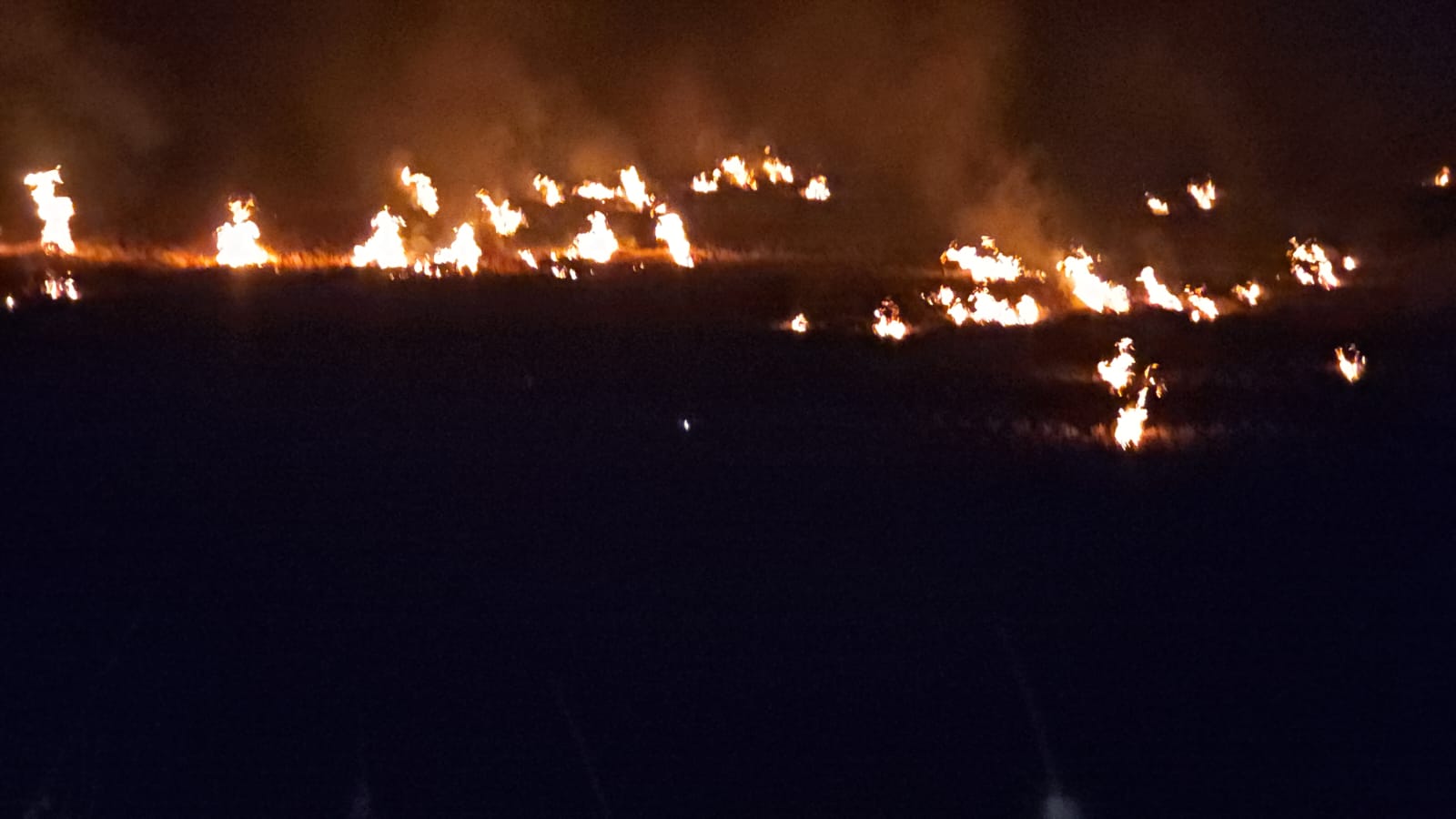
The issue has sparked public discussion as the Agriculture Department appears largely silent on the matter. While awareness campaigns exist on paper, there is little visible enforcement or structured support to help farmers adopt alternative methods for managing crop residues. This contrast has led to a perception of imbalance in policy implementation.

Many citizens are now asking a simple question: if vehicle owners are fined for contributing to pollution, why is there no similar accountability mechanism for other major pollution sources? The debate is not about targeting farmers, but about ensuring fairness, support, and consistency in environmental governance.
Experts believe that pollution control cannot succeed through enforcement alone. A comprehensive approach is required, combining strict rules, technological solutions, financial assistance, and public awareness. For farmers, this could mean access to residue management machines, incentives, and training programs. For urban areas, it may involve improved public transport and cleaner fuel adoption.
Odisha’s challenge is to learn from other regions without repeating their mistakes. Pollution control must focus on prevention rather than punishment alone. Transparent communication between departments and the public is equally important to build trust and cooperation.
As Odisha charts its path forward, the need of the hour is balanced policy execution. Environmental protection is a shared responsibility, and effective solutions can only emerge when all stakeholders are treated with fairness and sensitivity.