Sunil Jena, Editor-in-Chief, The Politics Odia
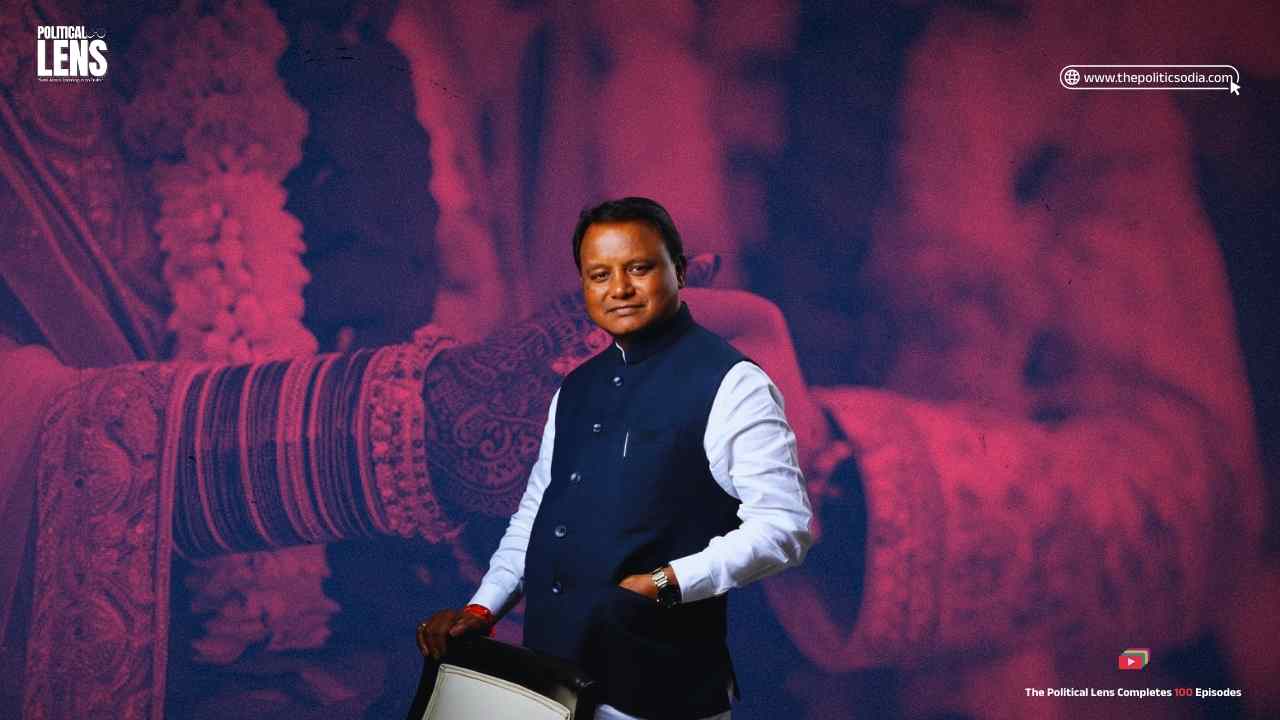
Bhubaneswar: Keonjhar occupies a unique place in Odisha’s political map not only for its geography and resources, but also because it is the home district of Chief Minister Mohan Charan Majhi. That is why recent concerns raised by cow protection activists have drawn wider attention than a routine law-and-order issue.
According to activists working on the ground, illegal cattle transportation continues in parts of Keonjhar, often in full public view. They argue that enforcement remains inconsistent, allowing middlemen and transport networks to operate with minimal fear.
It is important to note that these are claims raised by activists, not judicial findings. Yet, in governance, perception often matters as much as proof, especially when the issue relates to law enforcement and public faith.
What the Gorakshaks Are Saying
In a discussion with Sunil Jena, cow protection activists stated that their concern is not political rivalry, but administrative urgency. They argue that existing laws are adequate; what is missing is sustained monitoring, coordination between departments, and visible action against repeat offenders.
Their demand is straightforward: stronger vigilance, stricter checks on transport routes, and accountability at the local administrative level.

Why Keonjhar Matters Politically
When such concerns arise in a Chief Minister’s own district, they inevitably take on symbolic importance. Keonjhar becomes not just a local issue but a benchmark if enforcement is weak here. Critics ask: What message does it send elsewhere?
From the government’s perspective, this also presents an opportunity. Addressing the issue decisively would signal a serious commitment to law enforcement and animal welfare across the state.
Law, Livelihood, and Balance
The cow protection debate also intersects with livelihood concerns. Transporters, small traders, and rural economies form a complex web. Effective governance requires separating illegal activity from lawful livelihood, something activists and administrators must navigate carefully.
Blanket action without due process risks backlash; inaction risks erosion of trust.
The Road Ahead
So far, the discussion remains at the level of public concern and activist appeal. No official counter-statement or data has conclusively addressed the claims. That silence itself fuels debate.
Keonjhar now stands as a test case not of political intent, but of administrative follow-through.
In democratic governance, credibility is built not through slogans, but through visible enforcement. And in the Chief Minister’s home district, that visibility carries extra weight.
Author Profile

- Sunil Jena is the Editor of The Politics Odia, an independent digital platform that delivers fearless political analysis, ground reports, and investigative stories from Odisha. Known for bold storytelling and grassroots connections, Sunil is shaping a new era of regional journalism.
Latest entries
 AnalysisSeptember 17, 2026Dilu’s Game, Mohan’s Trouble? 30 Munda Tribals Allegedly Missing, 100+ Acres of Tribal Land Under Question, PM Modi Must Take Note : Super Exclusive
 AnalysisSeptember 11, 2026Thank You, Naveen Babu? BJD’s MMDR Protest Raises Questions Over Leadership and Political Strategy
 AnalysisSeptember 9, 2026CM in Dubai, Mining Mafia in Keonjhar? Who Is Protecting Odisha’s Mineral Wealth?
 AnalysisSeptember 7, 2026Why Is Mineral-Rich Odisha Still Poor? Radhakanta Sethi Takes on the MMDR Bill in Debate with Sunil Jena