Sunil Jena
Editor-in-Chief, The Politics Odia
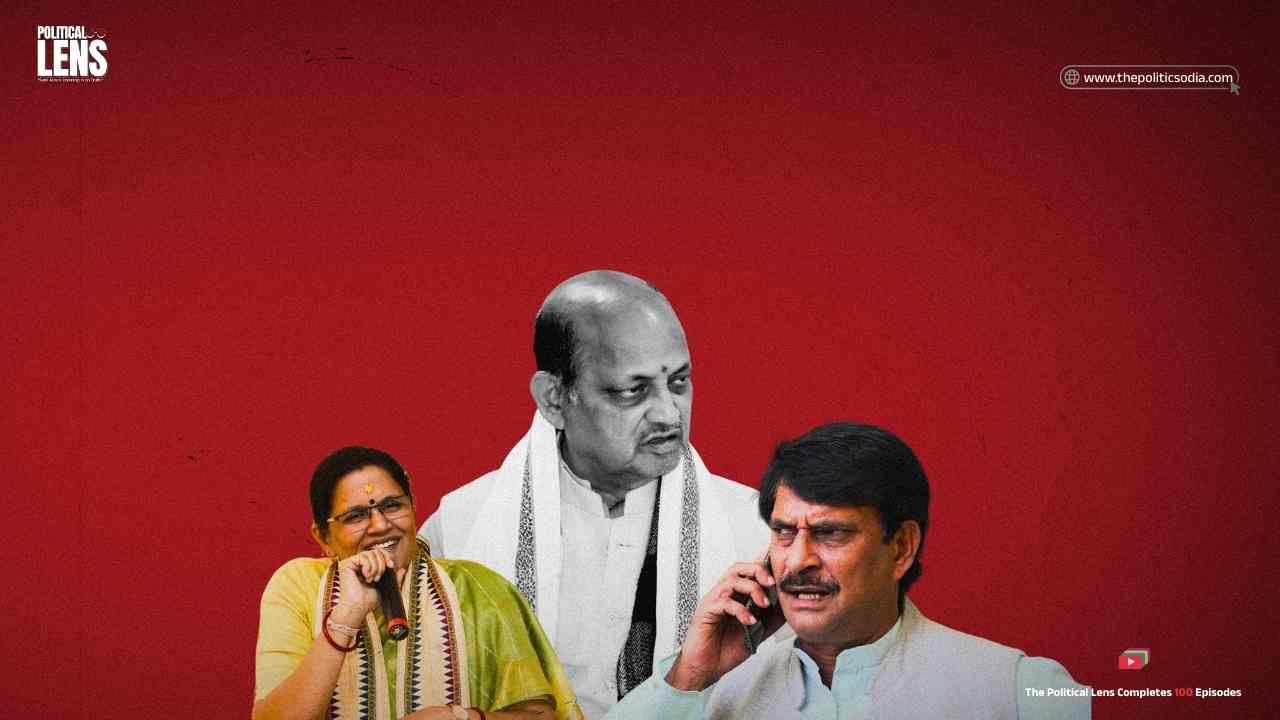
Bhubaneswar: Nimapada has emerged as a new political flashpoint in Odisha, with the internal conflict within the Bharatiya Janata Party now out in the open. What began as organisational disagreement has gradually evolved into a visible power struggle between Deputy Chief Minister Pravati Parida and senior BJP leader Samir Ranjan Das.
At the heart of the controversy is Samir Das’s decision to organise regular “Jan Sunani Shibir” in Nimapada, claiming that citizens’ grievances were not being adequately addressed at the administrative level. According to him, the initiative was aimed at protecting the party’s grassroots connections and ensuring public issues reach the government.
However, Pravati Parida strongly opposed this move, describing it as the creation of a “parallel governance system.” She argued that formal grievance-redressal mechanisms already exist within the government and that such parallel platforms weaken party discipline and confuse the public.
The disagreement soon attracted the attention of district leadership. Devendra Tarai, the BJP president of Puri district, took a firm stand, issuing notices to Samir Das for repeated violations of organisational discipline. Party sources indicate that continued defiance could invite stricter action.

This confrontation has larger political implications. With Panchayat elections scheduled next year, internal disunity at this scale risks damaging the BJP’s electoral prospects in Nimapada. Grassroots workers remain divided, and public perception is increasingly shaped by visible factionalism rather than governance outcomes.
Political history suggests that voters tend to punish parties perceived as internally unstable. Whether the BJP leadership can contain this conflict through dialogue and organisational correction will determine if Nimapada becomes a warning sign—or a turning point.
In Odisha politics, internal discipline often decides external success. The unfolding events in Nimapada underline that lesson with renewed urgency.