Sunil Jena
Editor-in-Chief, The Politics Odia
Bhubaneswar: The political significance of timing often matters as much as the decision itself. In the case of Patkura, the Biju Janata Dal leadership chose both decisiveness and clarity.
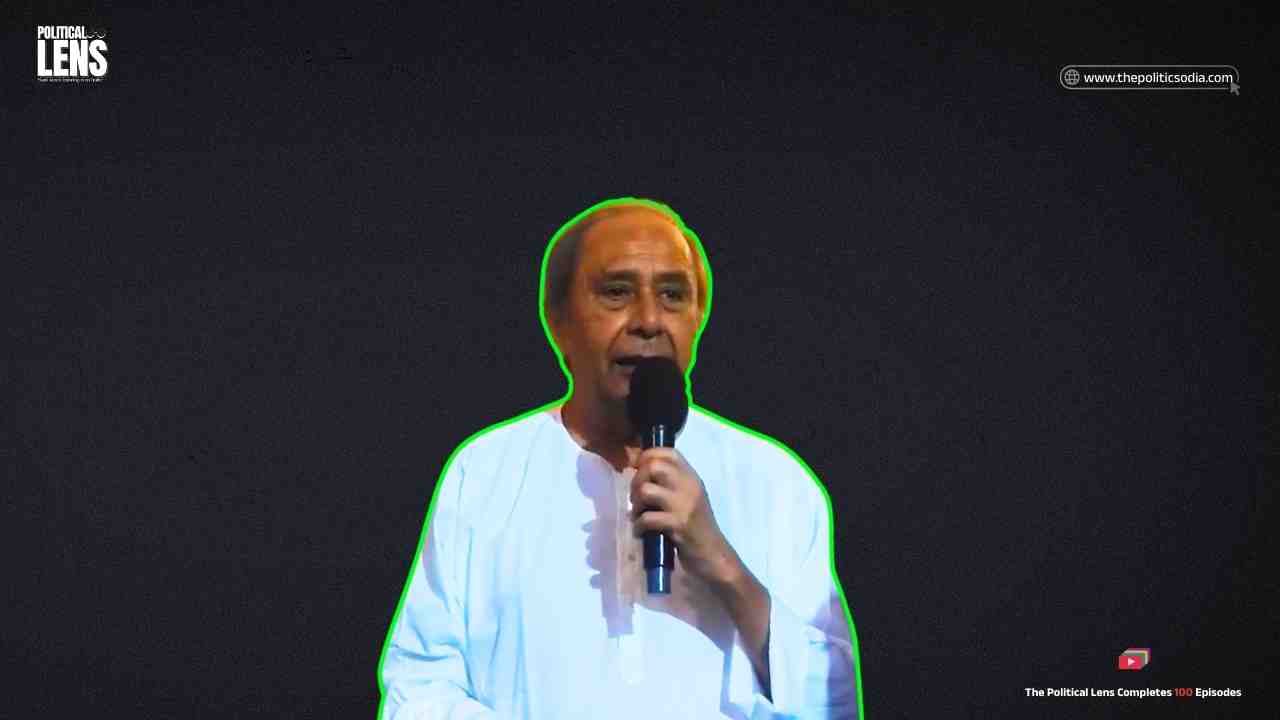
Before Aravind Mohapatra could formally reach Naveen Niwas, BJD Supremo Naveen Patnaik publicly explained the rationale behind suspending him from the party. Naveen stated that repeated complaints from Patkura residents and party workers regarding harassment and neglect forced the leadership to act.
This clarification came amid a significant political development; hundreds of BJD leaders and workers from Patkura and Kendrapara district met Naveen Patnaik, expressing strong support for the suspension decision. Their presence was not symbolic; it was political messaging rooted in organisational consensus.
Party leaders alleged that after becoming an MLA, Aravind Mohapatra consistently ignored party workers, violated organisational decisions, and even worked against party interests. According to them, the suspension was not abrupt but the outcome of accumulated grievances.

The meeting was attended by prominent BJD figures, including Dhruva Charan Sahu, former ministers Atanu Sabyasachi Nayak and Pratap Jena, along with BJD Media Coordinator Lenin Mohanty—underlining that the decision carried institutional backing, not factional intent.
Addressing party workers, Naveen Patnaik reiterated that he had given Aravind an opportunity to serve Patkura, but instead of focusing on public welfare, he deviated from that responsibility. He emphasised that the party has historically taken strict action against leaders who harass workers or undermine organisational discipline.
Yet, a political question lingers: was this merely a disciplinary correction, or did Naveen act under an incomplete assessment influenced by internal narratives?
In Odisha politics, such questions often surface after decisive actions. However, the visible support from grassroots workers suggests that this move aligns more with organisational feedback than individual rivalry.
As Patkura moves forward, the real test will be whether BJD can translate this internal correction into renewed grassroots cohesion. Leadership decisions are judged not only by intent, but by outcomes—and Patkura will be the measure.
Author Profile

- Sunil Jena is the Editor of The Politics Odia, an independent digital platform that delivers fearless political analysis, ground reports, and investigative stories from Odisha. Known for bold storytelling and grassroots connections, Sunil is shaping a new era of regional journalism.
Latest entries
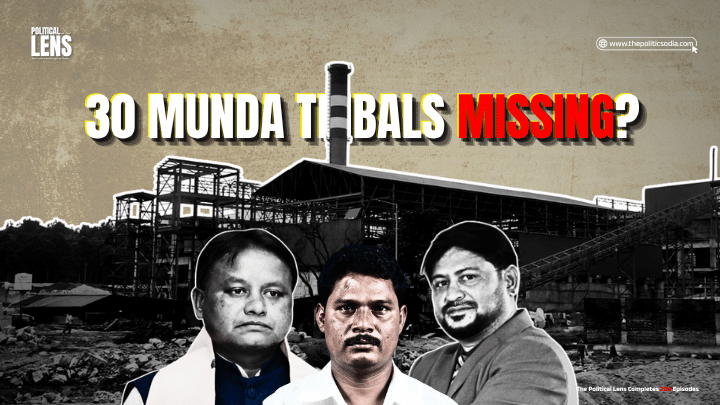 AnalysisSeptember 17, 2026Dilu’s Game, Mohan’s Trouble? 30 Munda Tribals Allegedly Missing, 100+ Acres of Tribal Land Under Question, PM Modi Must Take Note : Super Exclusive
 AnalysisSeptember 11, 2026Thank You, Naveen Babu? BJD’s MMDR Protest Raises Questions Over Leadership and Political Strategy
 AnalysisSeptember 9, 2026CM in Dubai, Mining Mafia in Keonjhar? Who Is Protecting Odisha’s Mineral Wealth?
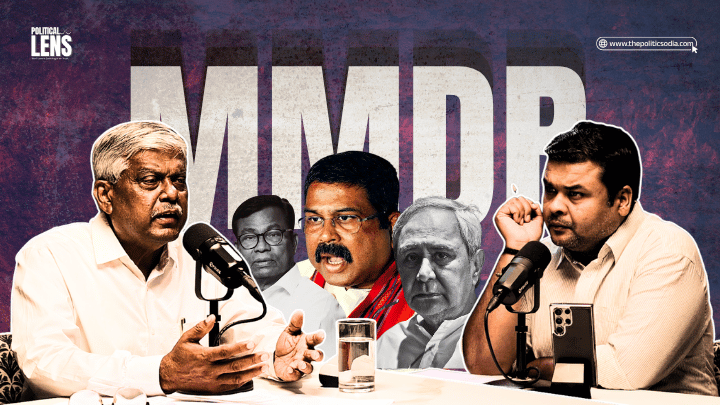 AnalysisSeptember 7, 2026Why Is Mineral-Rich Odisha Still Poor? Radhakanta Sethi Takes on the MMDR Bill in Debate with Sunil Jena