By Sunil Jena
Editor-in-Chief, The Politics Odia
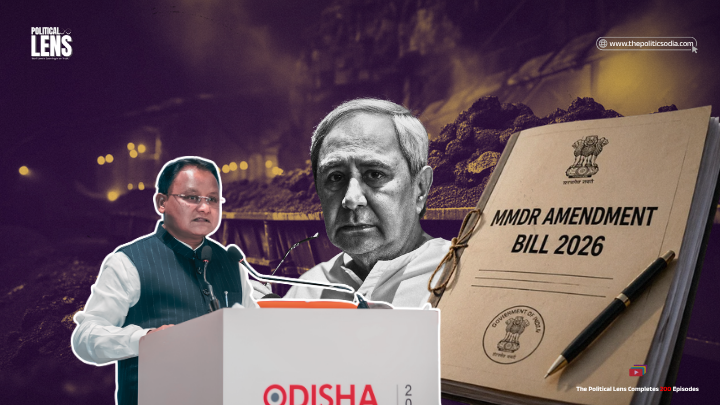
Bhubaneswar: The Mines and Minerals (Development and Regulation) Amendment Bill, 2026 has opened a fresh political battle in Odisha. The issue is no longer limited to Parliament. It has now reached the heart of Odisha politics, with questions being raised over the state’s mineral revenue, financial autonomy and the role of its MPs.
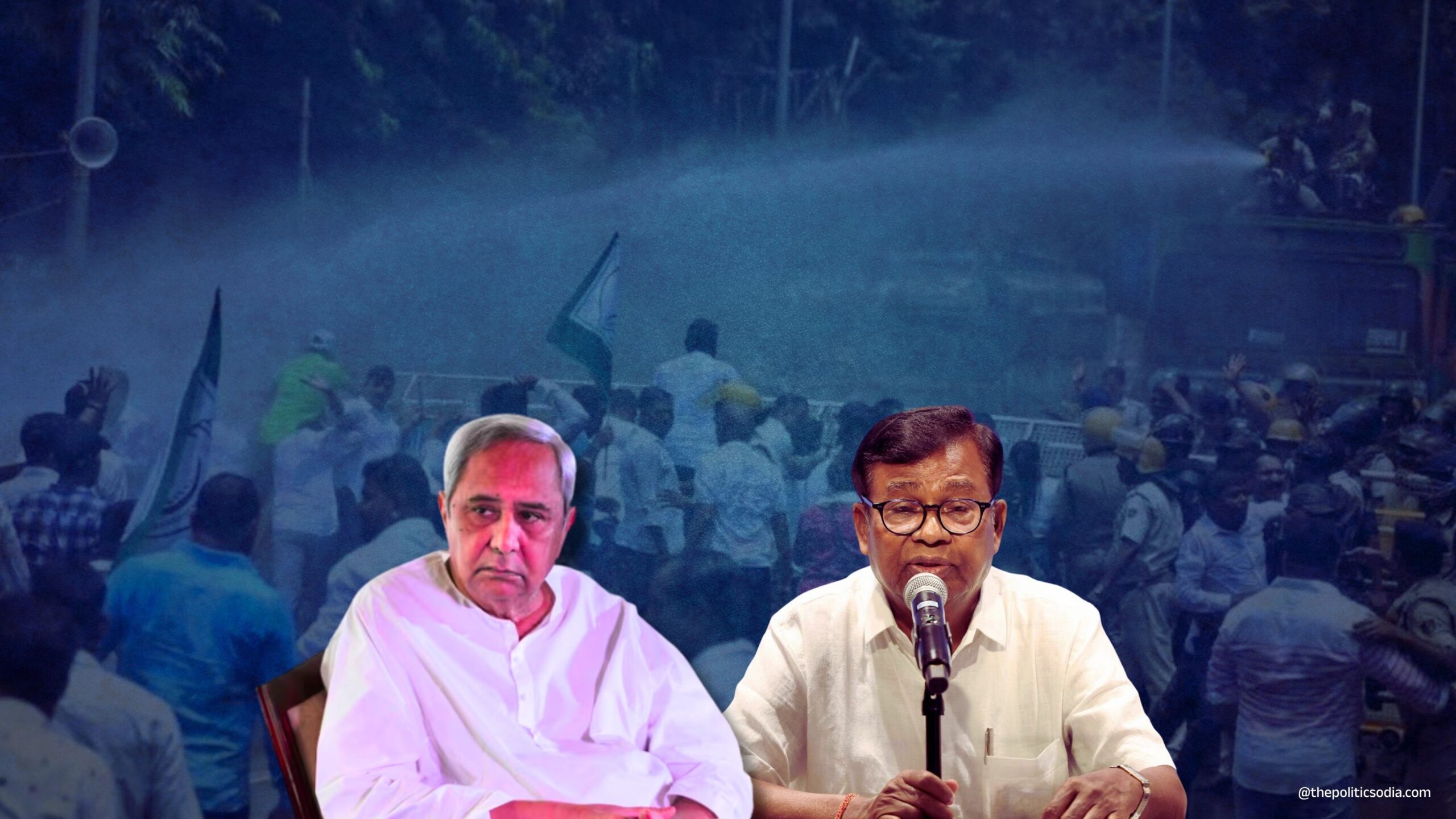
BJD supremo and Opposition Leader Naveen Patnaik has written to Chief Minister Mohan Charan Majhi, seeking an all-party meeting and a special session of the Odisha Assembly to discuss the Bill.
Naveen has argued that the new legislation could affect Odisha’s financial interests because the state is one of India’s major mineral-producing regions. His appeal is that the issue should not be treated as a routine political confrontation and that all parties should sit together and examine its implications for Odisha.
The BJD has already announced that it will make the MMDR amendment a major political issue in the coming days.

Congress has also opposed the Bill. PCC president Bhakta Charan Das has written to the Chief Minister demanding a special Assembly session.
The BJP government, however, has rejected the allegations. The Union Mines Ministry has maintained that the amendment will not cause financial losses to states. Odisha’s Mining Minister has also dismissed the opposition’s concerns.
This leaves Odisha with a basic but important question: what exactly will change for the state after the amendment?
The opposition has claimed that Odisha could potentially suffer losses of around Rs 2 lakh crore every year. Such a claim needs to be examined through actual revenue figures and the provisions of the amended law.
And that is where Naveen Patnaik’s demand for a special Assembly session becomes important.
If the government believes there is no financial threat to Odisha, the Assembly can become the right platform to put the figures on record and explain the position to the people.
There is another question that has begun to gain attention — what was the role of Odisha’s 20 MPs when the Bill was being discussed and passed in Parliament?
If the legislation has serious implications for Odisha, people have the right to know what their MPs said, how they voted and what position they took.
The mining economy is not a small issue for Odisha. Mineral resources have played a major role in the state’s revenue, industries and employment. At the same time, mining has also raised questions over land, forests, displacement and the distribution of benefits.
So the debate over the MMDR amendment is bigger than a BJP-BJD political fight.
Naveen’s demand puts the Mohan Majhi government in a position where it has two choices — accept the demand for a wider discussion and explain the financial implications, or reject it and allow the opposition to continue questioning the government’s stand.
For the people of Odisha, the important thing is not who wins the political argument.
It is whether Odisha’s mineral wealth will continue to generate adequate revenue for the state and whether the state’s interests have been properly protected.
The answers should come with facts, figures and a clear explanation in the Assembly.
That is why Naveen Patnaik’s call for an all-party meeting and a special Assembly session could become the next major political flashpoint in Odisha.
Sunil Jena’s Observation:
The MMDR Amendment Bill should not remain only a BJP-BJD political fight. If the opposition is claiming a major financial loss, it must place the figures before the public. If the government says there will be no loss, it should also explain the details clearly. A special Assembly discussion could provide the right platform for both sides to put their positions on record.
Author Profile

- Sunil Jena is the Editor of The Politics Odia, an independent digital platform that delivers fearless political analysis, ground reports, and investigative stories from Odisha. Known for bold storytelling and grassroots connections, Sunil is shaping a new era of regional journalism.
Latest entries
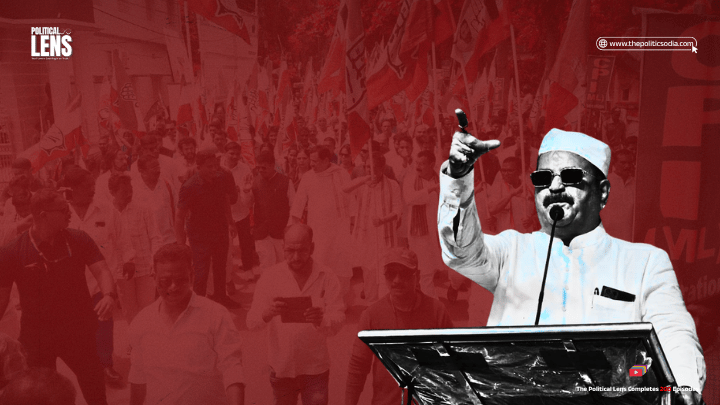 AnalysisSeptember 22, 2026Opposition Parties Hold Rally in Rayagada Seeking Repeal of MMDR Amendment Act 2026
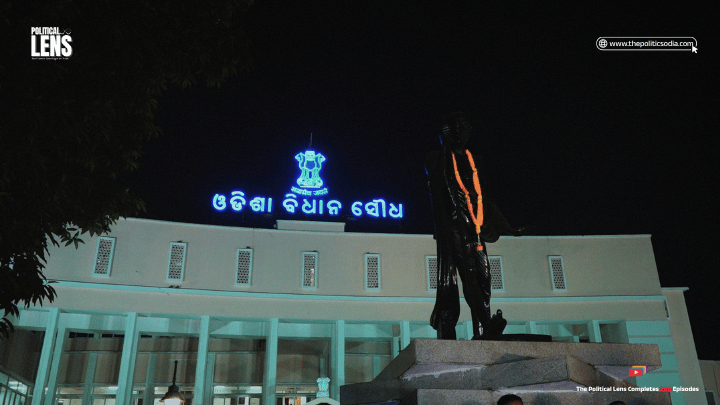 AnalysisSeptember 22, 2026Odisha Assembly Adjourned Till 1:10 PM Amid Opposition Uproar on First Day of Monsoon Session
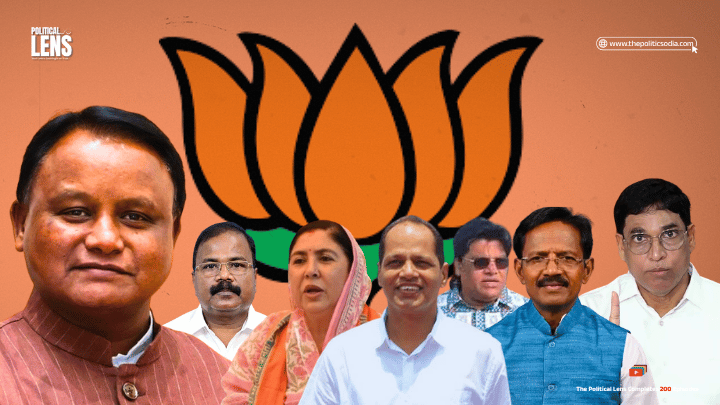 AnalysisSeptember 21, 2026BJP MPs, MLAs Flag Delays in Development Projects; Letters Trigger Fresh Political Row in Odisha
 AnalysisSeptember 11, 2026Thank You, Naveen Babu? BJD’s MMDR Protest Raises Questions Over Leadership and Political Strategy