By Sunil Jena
Editor-in-Chief, The Politics Odia
Bhubaneswar: Odisha’s tribal communities are once again at the centre of a difficult question. The state has long projected itself as a champion of tribal welfare, but the growing push for mining and mineral extraction is raising concerns over land, forests, water and traditional livelihoods.
For Odisha’s tribal population, these are not simply environmental issues. Jal, Jungle and Jami are closely connected to their everyday lives, livelihoods and cultural identity.
According to 2011 Census-based Odisha government data, Scheduled Tribes account for 22.85% of the state’s population. That means nearly one in every four people in Odisha belongs to a Scheduled Tribe community.
Yet, in many mineral-rich regions, development is increasingly being discussed through the language of mining, industrialisation and economic growth.

This is where the contradiction begins.
Odisha needs investment. It needs jobs and infrastructure. Its mineral resources are an important part of the state’s economy. But the question is whether development can continue without placing an unfair burden on the communities living in those mineral-rich regions.
The renewed focus on bauxite mining has brought this question back into the political spotlight.
Across southern and western Odisha, hills, forests and water sources are deeply connected with local livelihoods. Any large-scale mining activity can therefore have consequences beyond the extraction of minerals itself.
The concern is not limited to the loss of forest cover.
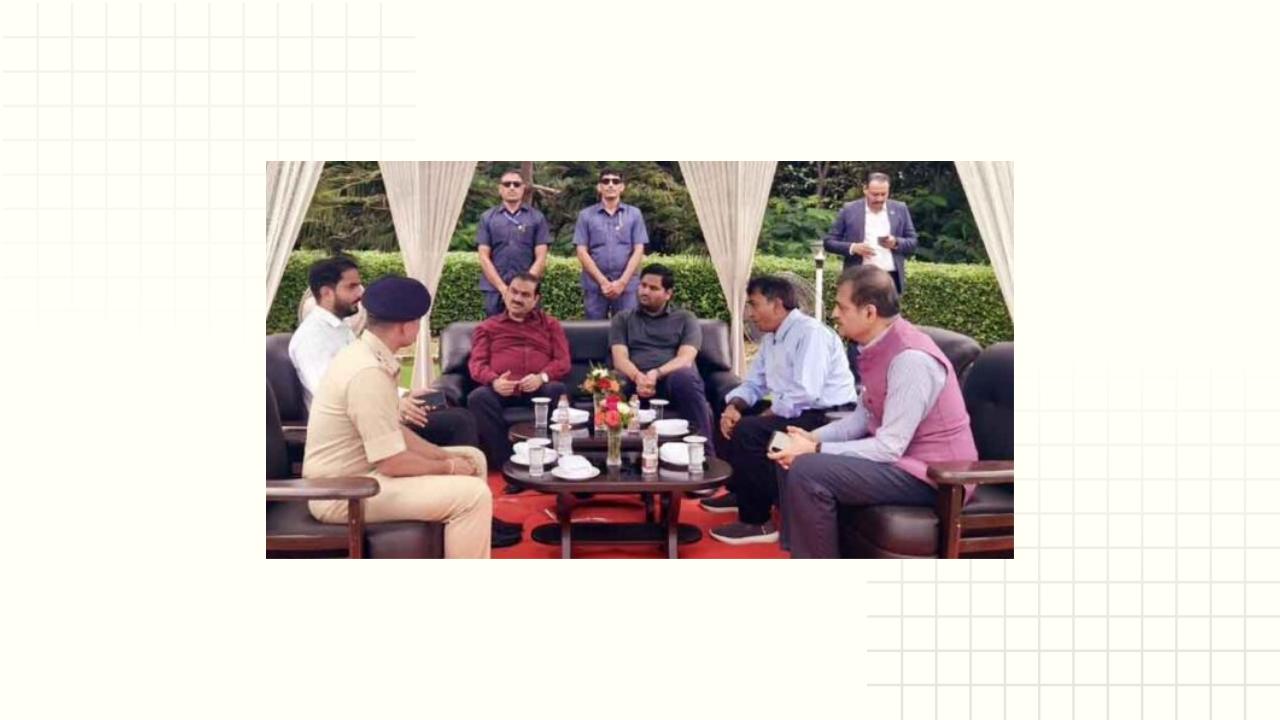
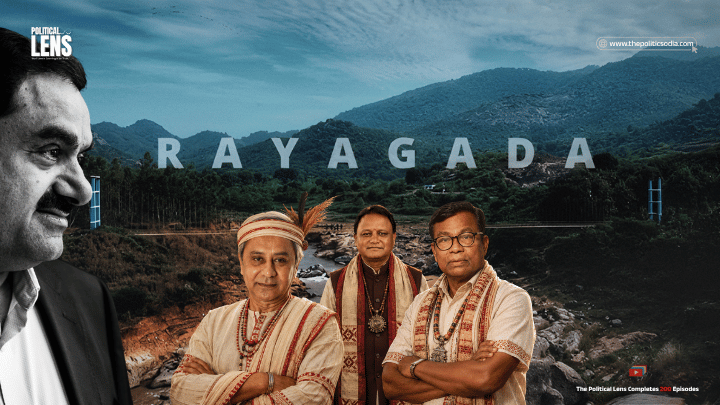
Gautam Adani Visits Rayagada To Review Mega Alumina Refinery Project
Changes to hills and watersheds can affect streams, agriculture and local water availability. Displacement can disrupt traditional livelihoods. And once a community loses access to the land and natural resources on which it has depended for generations, financial compensation alone may not always restore what has been lost.
This is why the debate over mining cannot be separated from the debate over tribal rights.
The Forest Rights Act provides a legal framework for recognising the rights of eligible forest-dwelling Scheduled Tribes and other traditional forest dwellers. The implementation of these rights and the participation of affected communities therefore remain important parts of any discussion involving forests and development.
But political parties often speak about tribal welfare differently when they are in government and when they are in opposition.
The BJP talks about development and tribal empowerment. The BJD points to its record on tribal welfare and social programmes. The Congress continues to raise questions about land, displacement and the rights of indigenous communities.
The bigger question is whether political slogans are translating into protection on the ground.
World Tribal Day often brings speeches, promises and political messages. But the real test comes when a mining proposal reaches a tribal area.
Who gets heard?
Who decides?
Who benefits?
And who pays the environmental and social cost?
These questions cannot be answered through political speeches alone.
The debate over Odisha’s tribal future is therefore not simply a BJP-versus-BJD issue. It is a question of governance, environmental responsibility and constitutional rights.
If Odisha wants to become a major economic power, it must also demonstrate that economic growth does not require tribal communities to sacrifice their land, forests and water.
The state’s mineral wealth may belong to the larger economy, but the communities living on that land cannot become invisible in the process.
The real challenge before Odisha is to find a balance between mining and conservation, investment and livelihood, development and rights.
Because if the price of development is the permanent loss of Jal, Jungle and Jami, then the question will remain: development for whom?
Sunil Jena’s Observation:
Odisha cannot discuss tribal development only through political speeches or annual celebrations. The real test is what happens when development projects meet tribal rights on the ground. Mining and economic growth may be necessary, but transparency, environmental safeguards and the legitimate rights of affected communities must remain non-negotiable.
Author Profile

- Sunil Jena is the Editor of The Politics Odia, an independent digital platform that delivers fearless political analysis, ground reports, and investigative stories from Odisha. Known for bold storytelling and grassroots connections, Sunil is shaping a new era of regional journalism.
Latest entries
 AnalysisSeptember 22, 2026Opposition Parties Hold Rally in Rayagada Seeking Repeal of MMDR Amendment Act 2026
 AnalysisSeptember 22, 2026Odisha Assembly Adjourned Till 1:10 PM Amid Opposition Uproar on First Day of Monsoon Session
 AnalysisSeptember 21, 2026BJP MPs, MLAs Flag Delays in Development Projects; Letters Trigger Fresh Political Row in Odisha
 AnalysisSeptember 11, 2026Thank You, Naveen Babu? BJD’s MMDR Protest Raises Questions Over Leadership and Political Strategy