Sunil Jena
Editor in Chief
The Politics Odia
Bhubaneswar: When the BJP released its manifesto before the 2024 general and assembly elections in Odisha, one of the most talked-about promises was a monthly pension of 3500 rupees for citizens above the age of 80. The commitment was seen as both a welfare measure and a signal of respect for the elderly.
As the government led by Mohan Charan Majhi approaches two years in office, the conversation has returned to that promise.
Across several districts, elderly beneficiaries say they are still receiving the earlier pension amount of 1200 rupees that was in place during the previous administration under Naveen Patnaik. For many families, the difference between the two amounts is not just a number. It represents the ability to buy medicines, manage daily food expenses and live with a degree of independence.
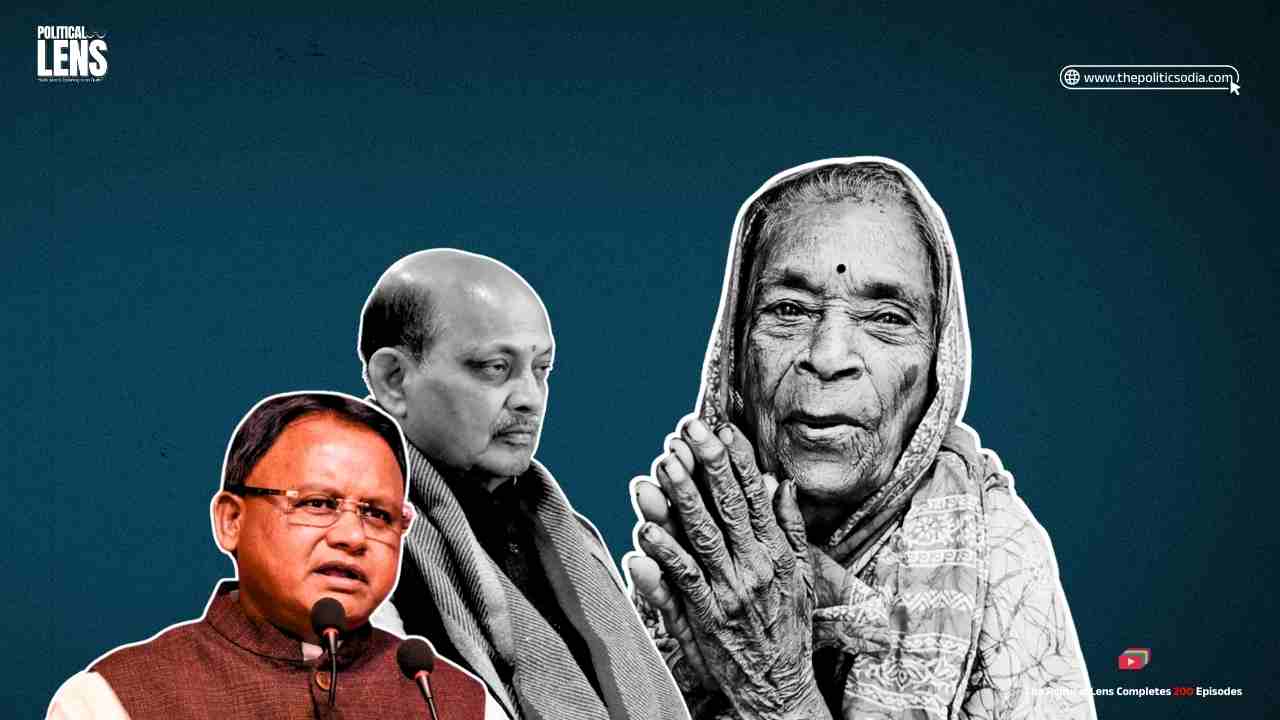
The story of a 95-year-old beneficiary, often cited in local discussions, has become symbolic of the larger issue. People see in such examples the gap between political assurance and administrative delivery.

At the same time, welfare implementation is rarely immediate. A manifesto promise has to move through several stages. The finance department must assess the cost. The social security framework has to be adjusted. Beneficiary lists need verification. Budgetary allocation has to be made sustainably.
This process takes time, especially when the number of potential beneficiaries is large.
The state government has so far not announced a clear rollout timeline for the enhanced pension. Supporters of the government argue that major welfare expansion requires financial planning and that multiple schemes are being implemented simultaneously.
Critics say that the delay is affecting the credibility of the promise and creating confusion among people who voted with that expectation.
The political impact of such a situation depends on perception. Welfare schemes are different from infrastructure projects. A road or a bridge takes time, and people understand the delay. A pension, however, is personal and monthly. When an increase is promised, people expect to see it in their accounts.
This is where the present debate stands.
For the BJP in Odisha, the issue is not only about one scheme. It is about how manifesto commitments are sequenced and communicated. For the opposition, it has become a powerful example to question the government’s delivery.
For the elderly citizens, the discussion is much simpler. They are waiting for the amount that was promised.
In politics, credibility is built when a promise becomes a routine payment rather than a repeated announcement. The coming budget cycles and policy decisions will show how quickly the government moves on this commitment.
Until then, the gap between expectation and reality will continue to shape the conversation across Odisha.