Odisha’s Biggest Mineral Debate: MMDR Bill, Mining Wealth & the Future of Odisha
Bhubaneswar : Odisha’s mineral wealth has once again become the centre of a wider political and economic debate following the controversy over the proposed amendments to the Mines and Minerals (Development and Regulation) framework.
For a state that possesses substantial mineral resources, the central question is not merely whether mining will increase, but how the economic benefits from those resources will be distributed. Will greater mineral activity translate into higher public revenue, employment and development for Odisha, or could the changes increase the role of large private players while reducing the state’s ability to protect its long-term interests?
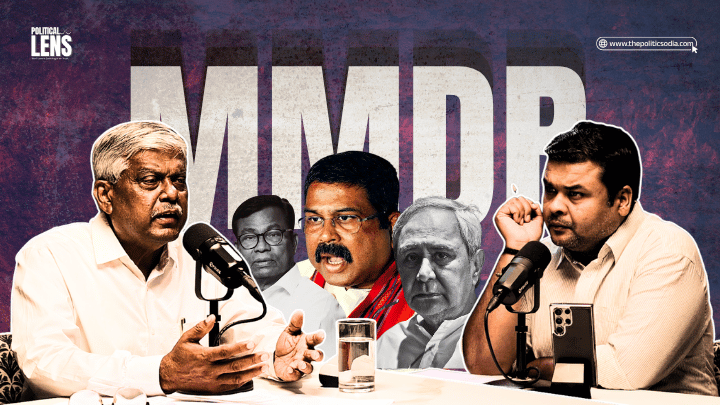
These questions form the focus of EP-321 of The Politics Odia, where Sunil Jena speaks with senior CPIML leader and former MLA Radhakanta Sethi about the MMDR Bill and its possible implications for Odisha.
Explaining the issue in simple terms, Sethi argues that the debate around the MMDR Bill needs to go beyond party politics. According to him, Odisha’s elected representatives have a responsibility to examine any change in the mining regime from the perspective of the state’s mineral resources and the interests of its people.
The controversy has also raised questions about the response of Odisha’s political leadership. Critics of the state’s political establishment argue that elected representatives, irrespective of party affiliation, should clearly explain their position on legislation that could have a long-term impact on Odisha’s mining economy.

The question of “state interest versus party interest” has consequently become an important part of the debate.
Odisha’s economy has historically been closely linked with mining and mineral-based industries. Iron ore, coal, bauxite, chromite and other minerals have contributed significantly to industrialisation and state revenues. At the same time, mining has also generated longstanding debates over land, displacement, environmental protection, tribal rights, local employment and the distribution of mineral wealth.
That makes the MMDR debate particularly important for Odisha.
One of the central arguments raised in the discussion is that natural resources are not simply commodities belonging to individual companies or governments of the day. They are public resources, and decisions regarding their extraction can influence generations.
The debate therefore goes beyond the question of who gets a mining lease or who operates a mine. It also concerns who receives the economic benefit, how much revenue remains within the state, what happens to mining-affected communities and whether future generations retain a meaningful share in Odisha’s natural wealth.
The discussion also raises concerns about the role of Parliament and state legislatures in examining major policy changes. If legislation affecting mineral-rich states is passed without adequate debate, consultation and scrutiny, questions can naturally arise over whether the democratic process is being fully utilised.
At the same time, supporters of reforms in the mining sector can argue that changes to the regulatory framework are intended to increase mineral production, attract investment, improve efficiency and support economic growth. The real test, therefore, is whether those objectives are accompanied by adequate safeguards for state revenues, communities and the environment.
For Odisha, the stakes are particularly high.
The state cannot afford to look at mineral policy only through the lens of immediate investment or production figures. The larger question is whether mineral wealth can be converted into lasting public wealth — better infrastructure, jobs, education, healthcare and stronger local economies.
The MMDR Bill debate has therefore opened up a much bigger conversation: despite being one of India’s major mineral-producing states, why does Odisha continue to face questions over poverty, regional inequality and uneven development?
Is the problem a lack of resources, or the way those resources are governed and their benefits distributed?
These are questions that require evidence, parliamentary scrutiny and sustained public debate rather than only political allegations.
In this special interview, Radhakanta Sethi presents his interpretation of the MMDR Bill and explains what he believes Odisha could gain or lose from the proposed changes.
The complete conversation with Sunil Jena examines the MMDR Bill from the perspective of Odisha’s mineral wealth, state interests, public representatives and the future economic direction of the state.
Sunil Jena’s Observation:
Odisha’s mineral wealth is finite, but the decisions taken over it can shape the state’s future for decades. The MMDR debate should therefore not be reduced to a political confrontation. The real question is simple: how much of Odisha’s natural wealth ultimately returns to the people of Odisha?
Author Profile

- Sunil Jena is the Editor of The Politics Odia, an independent digital platform that delivers fearless political analysis, ground reports, and investigative stories from Odisha. Known for bold storytelling and grassroots connections, Sunil is shaping a new era of regional journalism.
Latest entries
 AnalysisOctober 22, 2026Naveen Patnaik Backs Cockroach Janata Party Leaders; BJP-BJD Clash Intensifies in Odisha
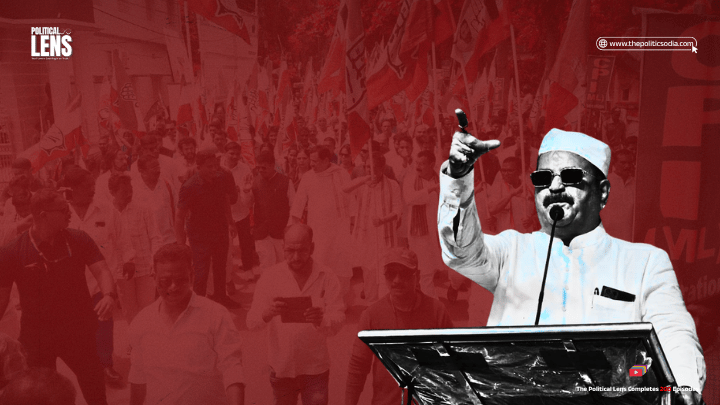 AnalysisSeptember 22, 2026Opposition Parties Hold Rally in Rayagada Seeking Repeal of MMDR Amendment Act 2026
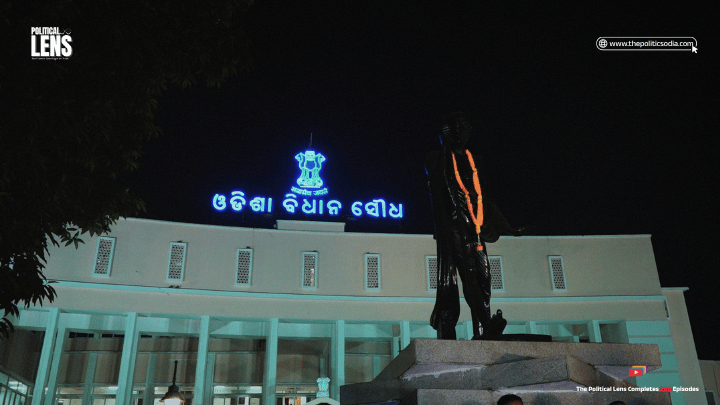 AnalysisSeptember 22, 2026Odisha Assembly Adjourned Till 1:10 PM Amid Opposition Uproar on First Day of Monsoon Session
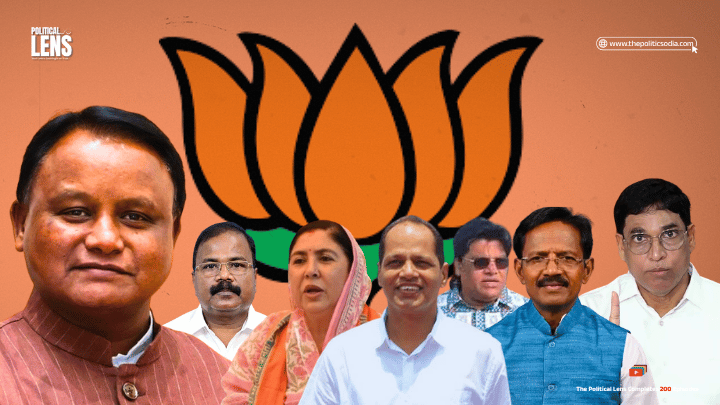 AnalysisSeptember 21, 2026BJP MPs, MLAs Flag Delays in Development Projects; Letters Trigger Fresh Political Row in Odisha