By Sunil Jena
Editor-in-Chief, The Politics Odia
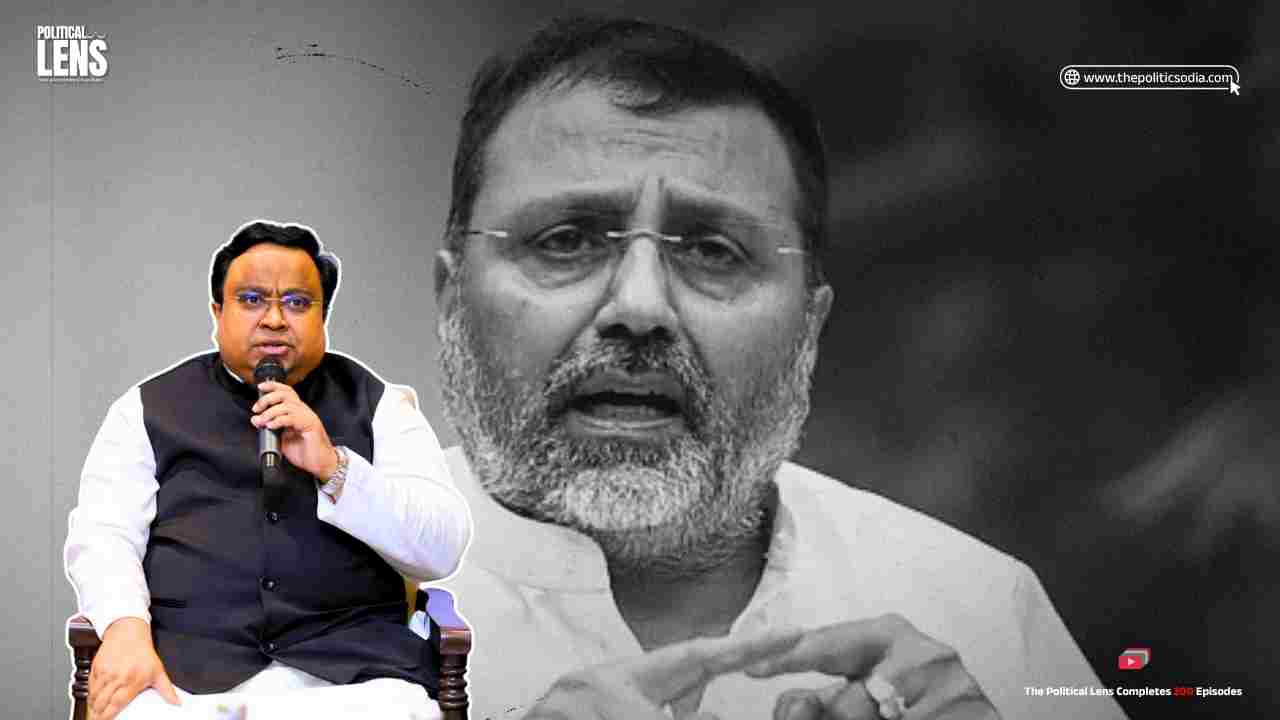
Bhubaneswar/New Delhi: In a sharp escalation of the political row over remarks on Biju Patnaik, Rajya Sabha MP Dr. Sasmit Patra has resigned from the Parliamentary Standing Committee on Communications and IT, citing “principle” and “conscience”.
In a formal letter dated March 28, addressed to the Chairman of the Rajya Sabha, Patra said his decision was prompted by statements made by Nishikant Dubey, who currently chairs the committee. Patra wrote that he could not continue to serve under a chairperson who, according to him, made “disrespectful remarks” about the late Biju Patnaik in a public statement.
The controversy stems from Dubey’s recent claims linking Biju Patnaik to alleged interactions involving the United States and intelligence agencies during the 1960s assertions that have drawn strong objections from leaders in Odisha, particularly from the Biju Janata Dal.
VIDEO | In protest to BJP MP Nishikant Dubey's statement against Biju Patnaik, BJD MP Sasmit Patra (@sasmitpatra) resigns from the Communications and IT Committee.
Sasmit Patra says, "Yesterday, the Bharatiya Janata Party MP, Nishikant Dubey ji, in a public statement made some… pic.twitter.com/O9utqGyVHe— Press Trust of India (@PTI_News) March 29, 2026Advertisement
In a public post, Patra described the remarks as “outrageous, false and irresponsible insinuations” against a leader he referred to as a “towering freedom fighter and visionary.” He further argued that attempts to “distort history and malign a revered leader for political narratives” were unacceptable.
Patra’s resignation letter also requested that the Rajya Sabha Secretariat forward his decision to the Lok Sabha Speaker, as the committee functions under the Lok Sabha framework. The move signals a rare instance of protest within parliamentary committee structures, where resignations on political grounds are relatively uncommon.
The development adds a new dimension to the ongoing debate over historical interpretation in Indian politics. While no official response has yet been issued by Dubey, the episode has intensified political reactions in Odisha, where Biju Patnaik continues to be regarded as a central figure in the state’s identity and political legacy.
Observers note that the incident reflects a broader pattern in contemporary political discourse, where competing narratives over historical figures are increasingly surfacing in public and institutional spaces. Whether Patra’s resignation leads to further institutional responses remains to be seen.
Author Profile

- Sunil Jena is the Editor of The Politics Odia, an independent digital platform that delivers fearless political analysis, ground reports, and investigative stories from Odisha. Known for bold storytelling and grassroots connections, Sunil is shaping a new era of regional journalism.
Latest entries
 AnalysisSeptember 22, 2026Opposition Parties Hold Rally in Rayagada Seeking Repeal of MMDR Amendment Act 2026
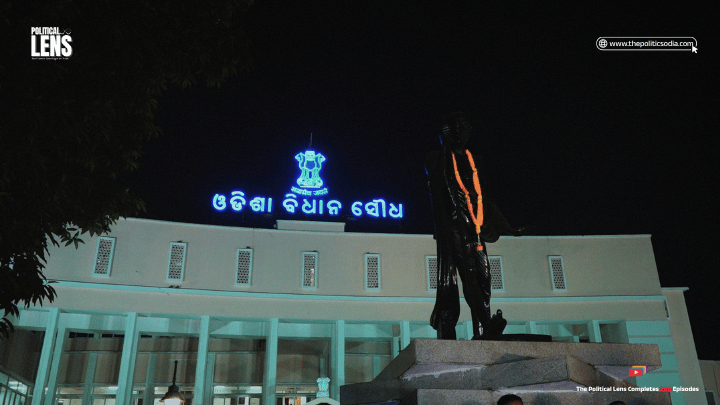 AnalysisSeptember 22, 2026Odisha Assembly Adjourned Till 1:10 PM Amid Opposition Uproar on First Day of Monsoon Session
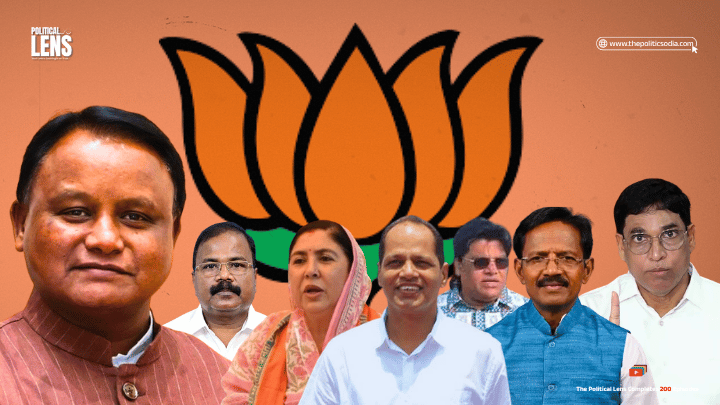 AnalysisSeptember 21, 2026BJP MPs, MLAs Flag Delays in Development Projects; Letters Trigger Fresh Political Row in Odisha
 AnalysisSeptember 11, 2026Thank You, Naveen Babu? BJD’s MMDR Protest Raises Questions Over Leadership and Political Strategy