Sunil Jena, Editor-in-Chief, The Politics Odia
Bhubaneswar: Public finance is rarely dramatic until salaries are delayed. Over the past few days, questions have surfaced around payment timelines for government employees in Odisha, coinciding with substantial welfare disbursements under Subhadra Yojana. The debate has quickly moved from accounting desks to political discourse.
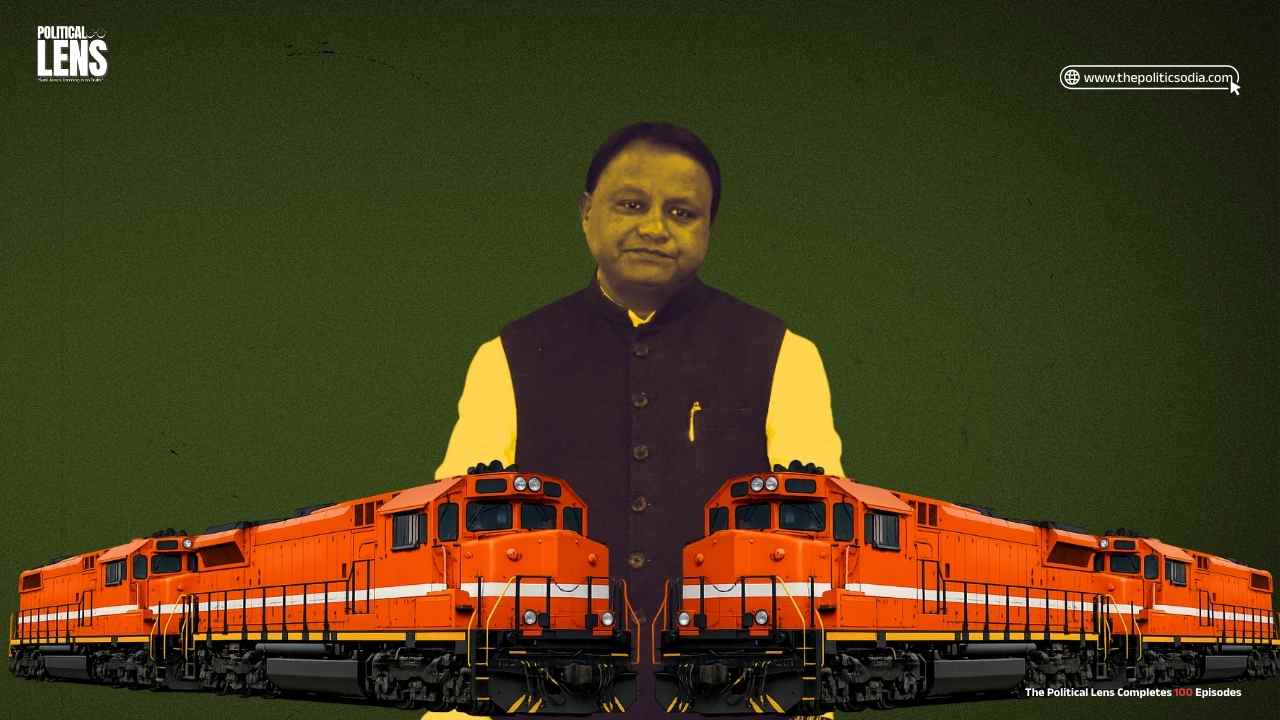
Under Chief Minister Mohan Charan Majhi, the government has prioritised direct benefit transfers to women beneficiaries, releasing significant funds from the state treasury. From an administrative lens, DBT execution has been swift. From a fiscal lens, it raises a familiar governance question: how does a state balance large welfare outlays with routine obligations like salaries and operational expenditure?
Liquidity vs Solvency: Understanding the Difference
First, clarity matters. A delay in salary does not automatically mean a state is insolvent. More often, it reflects liquidity, timing the availability of cash on specific dates, while revenues from GST settlements, central transfers, or state taxes arrive on their own schedules.
In simpler terms, governments sometimes spend first on priority programmes and receive matching inflows later. This timing gap can temporarily strain working capital.
Why the Concern Is Real
Government salaries are not just payroll entries; they are economic lifelines. Thousands of households plan monthly expenses around predictable pay cycles. Even short delays ripple through local markets, housing EMIs, and education payments.

That is why employees are asking a straightforward question: when will salaries be credited?
So far, there is no official declaration of a long-term fiscal crisis. What appears to be under discussion is a short-term cash management challenge following heavy welfare disbursement.
The Welfare–Revenue Balance
Supporters of Subhadra Yojana argue that welfare spending stimulates consumption, supports vulnerable households, and strengthens social outcomes. Critics counter that welfare must be paired with a visible revenue roadmap, enhanced tax collection, faster central releases, and expenditure prioritisation to avoid pressure on routine governance.
A Political Question, But Also a Technical One
Opposition voices frame the issue as evidence of financial stress. The government views it as a timing mismatch after welfare prioritisation. The truth likely sits between politics and accounting.
What matters now is not blame but clarity.
Employees need timelines. Markets need confidence. Citizens need assurance that welfare expansion will not compromise administrative stability.
Odisha’s challenge at this moment is to demonstrate that social spending and fiscal discipline can move together.
Because governance is ultimately measured not by announcements, but by predictability.
Author Profile

- Sunil Jena is the Editor of The Politics Odia, an independent digital platform that delivers fearless political analysis, ground reports, and investigative stories from Odisha. Known for bold storytelling and grassroots connections, Sunil is shaping a new era of regional journalism.
Latest entries
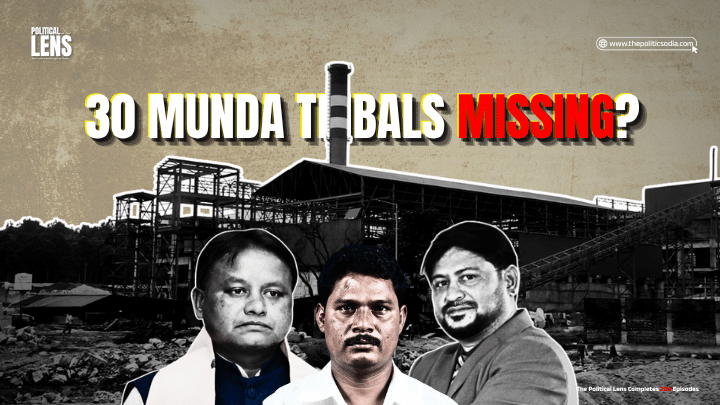 AnalysisSeptember 17, 2026Dilu’s Game, Mohan’s Trouble? 30 Munda Tribals Allegedly Missing, 100+ Acres of Tribal Land Under Question, PM Modi Must Take Note : Super Exclusive
 AnalysisSeptember 11, 2026Thank You, Naveen Babu? BJD’s MMDR Protest Raises Questions Over Leadership and Political Strategy
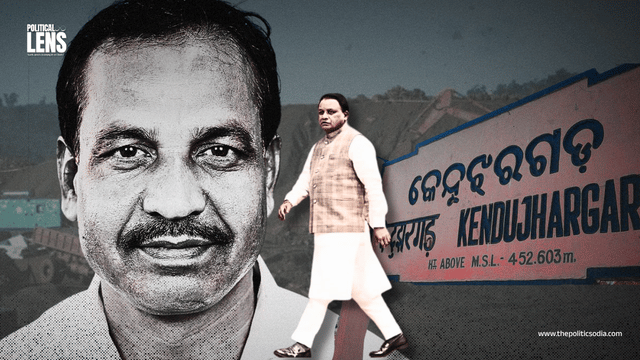 AnalysisSeptember 9, 2026CM in Dubai, Mining Mafia in Keonjhar? Who Is Protecting Odisha’s Mineral Wealth?
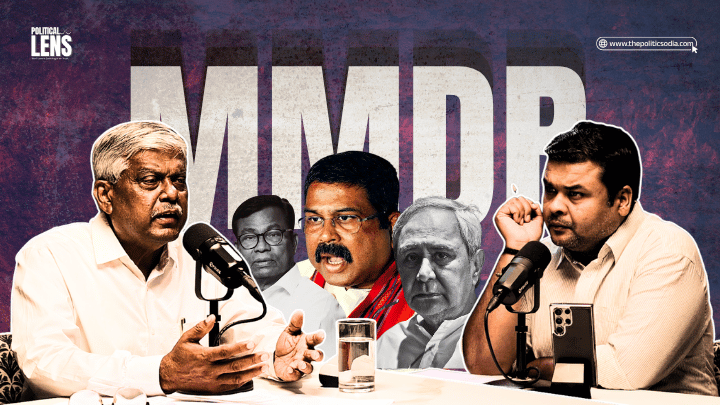 AnalysisSeptember 7, 2026Why Is Mineral-Rich Odisha Still Poor? Radhakanta Sethi Takes on the MMDR Bill in Debate with Sunil Jena