By Sunil Jena, Editor-in-Chief, The Politics Odia
Bhubaneswar: The Odisha Crime Branch has initiated an investigation against former Five-T secretary VK Pandian over alleged violations of rules during the previous BJD government. The development has once again brought Pandian into the centre of political debate, with questions being raised about the timing and intent behind the probe.
According to official sources, the Crime Branch has written to Surendra Panigrahi, president of Bharatiya Bikash Parishad, asking him to submit all documents, electronic records and other evidence related to the complaint by the 6th of this month. The agency has begun a preliminary verification of the allegations before deciding the next course of action.
While some have welcomed the move as a step towards accountability, many political observers are calling it long overdue. The most striking aspect of this development is the timing. Nearly 19 months have passed since the Mohan Majhi government came to power, yet action against VK Pandian has begun only now.
This delay has given rise to serious questions in public discourse. Why did the government wait so long to start the probe? If the allegations were serious, why was there no urgency earlier? These are questions being asked not just by opposition parties but also by common citizens across Odisha.

For many people, this sudden move appears more like political theatre than a firm step towards justice. There is a growing perception that the investigation is being used as a tool to send political signals rather than to ensure transparent governance.
Another sensitive aspect of the issue is the potential pressure from the central leadership. Many believe that any strong action against VK Pandian could put Chief Minister Mohan Majhi under political strain from Delhi. This perception has further complicated the narrative around the probe, making it appear less like an independent investigation and more like a carefully managed political exercise.
For the people of Odisha, what matters most is not political strategy but accountability. They want to know whether the law will take its own course or whether this case will remain another episode of political posturing.
As the Crime Branch moves forward with its inquiry, the coming weeks will be crucial. The credibility of the investigation will depend not on announcements but on concrete action. Only a transparent and time-bound process can restore public confidence and prove that no individual, regardless of position or influence, is above the law.
Author Profile

- Sunil Jena is the Editor of The Politics Odia, an independent digital platform that delivers fearless political analysis, ground reports, and investigative stories from Odisha. Known for bold storytelling and grassroots connections, Sunil is shaping a new era of regional journalism.
Latest entries
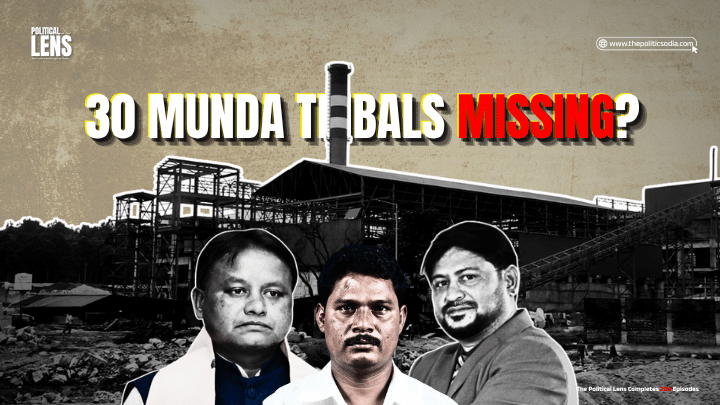 AnalysisSeptember 17, 2026Dilu’s Game, Mohan’s Trouble? 30 Munda Tribals Allegedly Missing, 100+ Acres of Tribal Land Under Question, PM Modi Must Take Note : Super Exclusive
 AnalysisSeptember 11, 2026Thank You, Naveen Babu? BJD’s MMDR Protest Raises Questions Over Leadership and Political Strategy
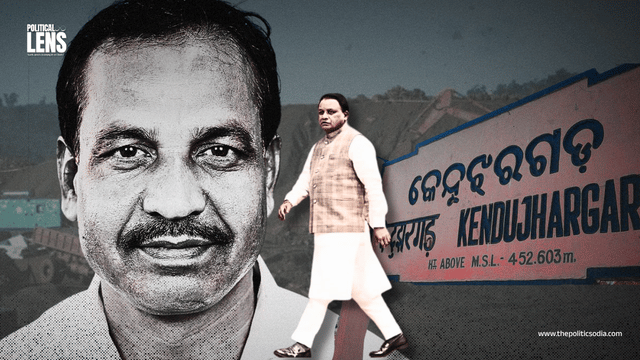 AnalysisSeptember 9, 2026CM in Dubai, Mining Mafia in Keonjhar? Who Is Protecting Odisha’s Mineral Wealth?
 AnalysisSeptember 7, 2026Why Is Mineral-Rich Odisha Still Poor? Radhakanta Sethi Takes on the MMDR Bill in Debate with Sunil Jena