By Sunil Jena, Editor-in-Chief
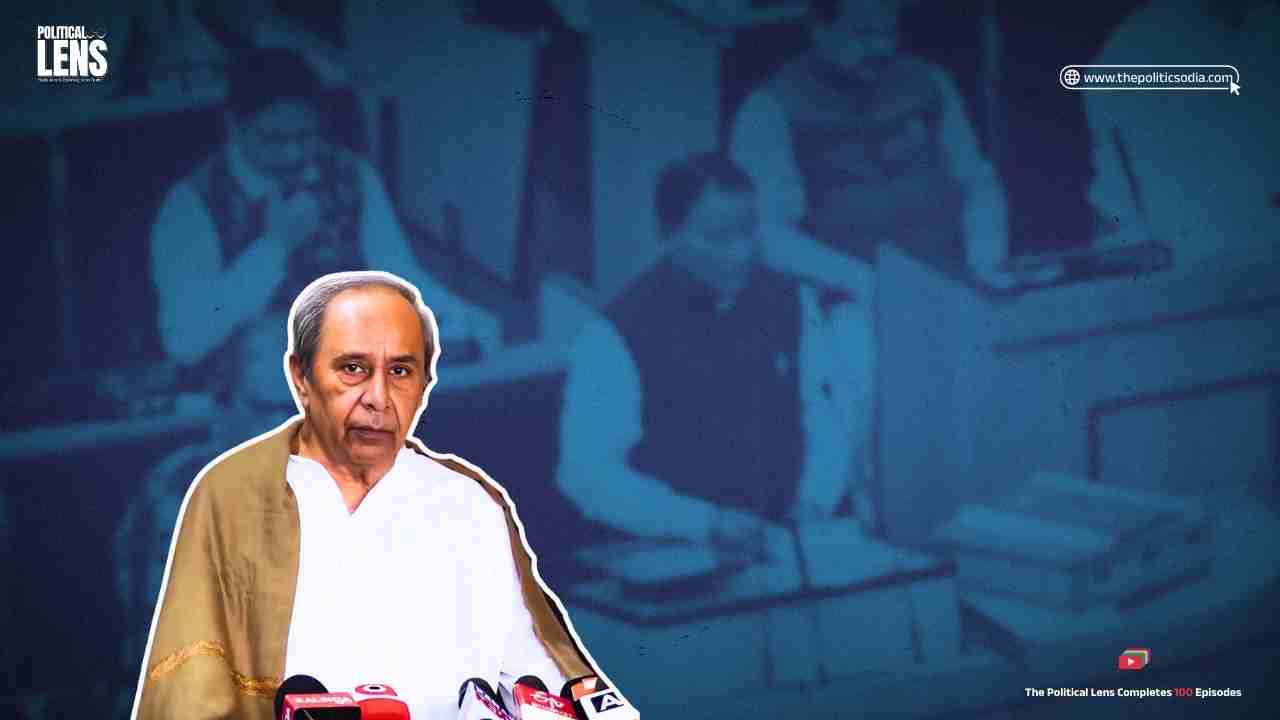
Bhubaneswar: In recent days, Odisha’s political space has been filled with intense speculation over the internal future of the Biju Janata Dal (BJD). A section of the media is projecting that the party is heading towards an imminent split, citing meetings and coordination among a few defeated and dissatisfied BJD leaders.
However, a deeper political reading suggests that the situation is far more complex than what headlines indicate.
According to senior political analyst Sunil Jena, the narrative of BJD’s immediate breakup is largely media-driven and does not reflect the actual balance of power in Odisha politics. He argues that both Naveen Patnaik and the BJP leadership prefer that the BJD remain intact rather than fragmenting.
The reason is political arithmetic. If BJD breaks into multiple factions, the biggest beneficiary would not be the BJP, but the Congress. A divided regional party would create space for Congress to reclaim political relevance in Odisha, something the BJP would like to avoid at this stage.

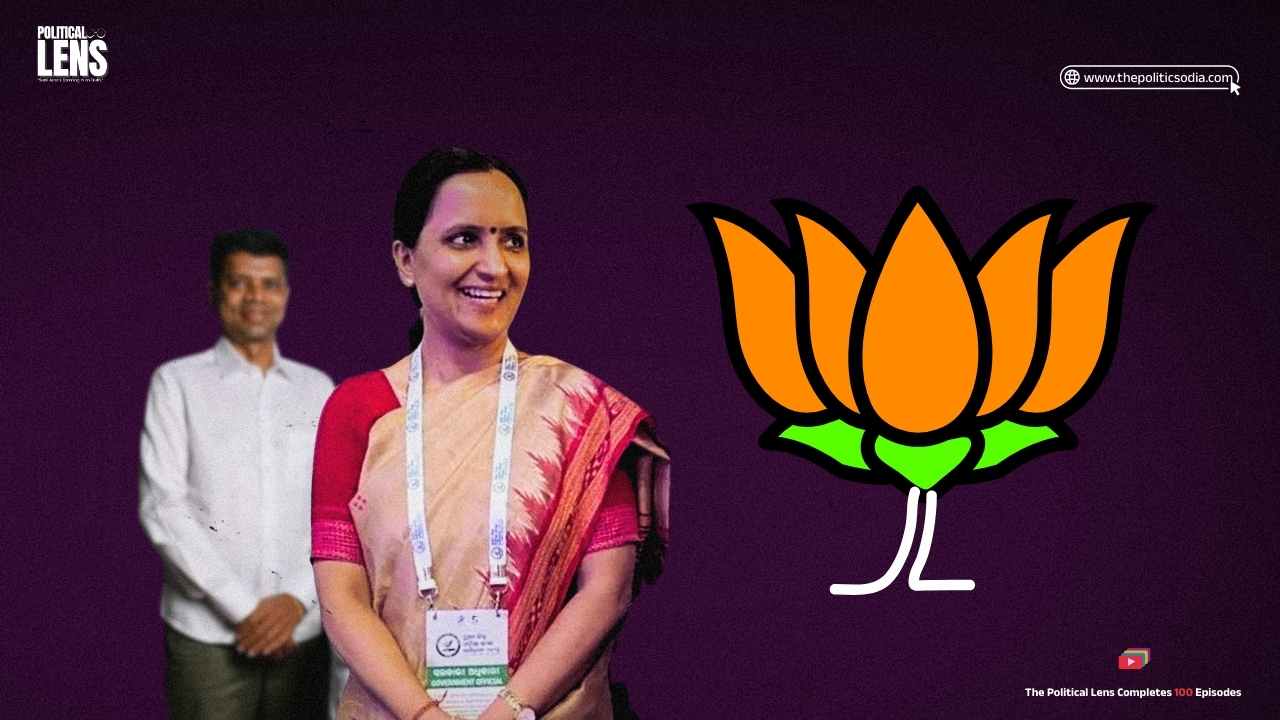
This is also where the discussion around Sujata Pandian gains importance. Political circles believe that the BJP sees value in a stable opposition led by a familiar and controlled leadership within the BJD, rather than an unpredictable collapse of the party. In that sense, the BJP’s strategy appears focused on political balance, not political destruction.
Sunil Jena also points out that the recent meetings of defeated BJD leaders are unlikely to have any significant impact before Sujata Pandian formally takes a leadership role within the party. Without organisational control, mass support, or Naveen Patnaik’s backing, such efforts remain symbolic rather than transformational.
Another crucial point highlighted is the governance reality. Even after nearly 18 months of losing power, no major BJD leader has faced serious administrative or legal action from the Mohan Majhi government. This silence itself indicates a carefully calibrated political approach rather than confrontation.
In Odisha politics, silence often speaks louder than statements. The absence of action, the controlled media narrative, and the strategic patience of both the BJP and BJD leadership suggest that the idea of BJD’s collapse is premature.
For now, the real political contest is not about whether BJD will break, but about who controls its future direction — and when.
Author Profile

- Sunil Jena is the Editor of The Politics Odia, an independent digital platform that delivers fearless political analysis, ground reports, and investigative stories from Odisha. Known for bold storytelling and grassroots connections, Sunil is shaping a new era of regional journalism.
Latest entries
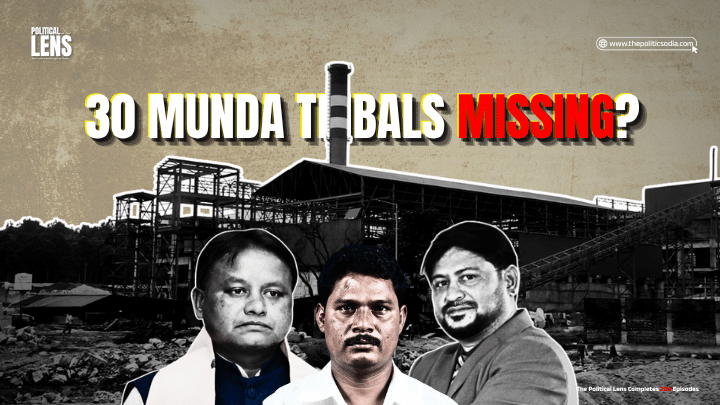 AnalysisSeptember 17, 2026Dilu’s Game, Mohan’s Trouble? 30 Munda Tribals Allegedly Missing, 100+ Acres of Tribal Land Under Question, PM Modi Must Take Note : Super Exclusive
 AnalysisSeptember 11, 2026Thank You, Naveen Babu? BJD’s MMDR Protest Raises Questions Over Leadership and Political Strategy
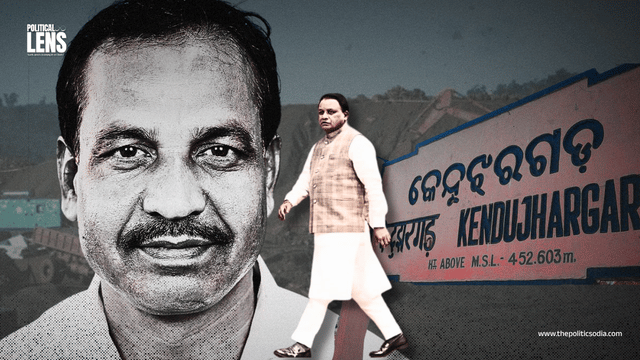 AnalysisSeptember 9, 2026CM in Dubai, Mining Mafia in Keonjhar? Who Is Protecting Odisha’s Mineral Wealth?
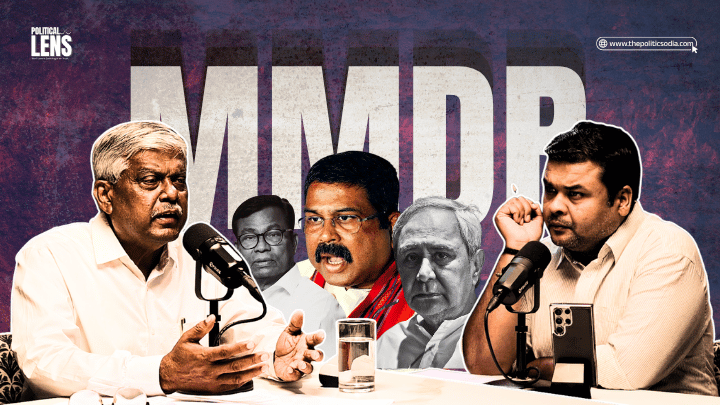 AnalysisSeptember 7, 2026Why Is Mineral-Rich Odisha Still Poor? Radhakanta Sethi Takes on the MMDR Bill in Debate with Sunil Jena