By Sunil Jena, Editor-in-Chief
Bhubaneswar: An alarming incident reported from the Dhauli area of Bhubaneswar has once again brought the issue of women’s safety and law and order to the centre of Odisha’s political discourse. The incident has not only shocked the public conscience but has also triggered a sharp exchange between the opposition and the ruling establishment.
Leader of the Opposition Naveen Patnaik broke his silence on the matter, describing the incident as extremely sensitive and disturbing. He said that such incidents point towards a worrying trend where criminal activities appear to be crossing limits, especially in the state capital. According to him, the situation raises serious concerns about public safety and governance. Through his statement on the social media platform X, Naveen Patnaik questioned whether the state government was fully alert to the deteriorating law and order situation. He remarked that fearlessness among criminals and declining public confidence indicate systemic issues that cannot be ignored.
The opposition leader further argued that the inability to ensure a safe environment for women in the capital city reflects insensitivity and administrative failure. His comments quickly drew political attention and reactions across party lines.

Responding strongly, Deputy Chief Minister Pravati Parida criticised Naveen Patnaik’s remarks and accused him of indulging in politics over a tragic incident. She stated that the people of Odisha do not expect political messaging from a senior leader at a time when swift administrative action is required. According to her, the reality of the situation lies in the immediate steps taken by the police, including prompt investigation and arrests of the accused.
Pravati Parida emphasised that the government has allowed the law to take its own course without interference. She said that the administration’s focus is on justice and accountability rather than political narratives. Her remarks, however, have raised further questions in the public domain about political sensitivity, tone, and responsibility when responding to crimes involving minors.
The core issue now goes beyond political statements. It raises an important democratic question: Is it wrong for an opposition leader to speak out on a matter involving public safety and serious crime? At the same time, it also brings attention to how governments communicate their actions during sensitive situations.
The Dhauli incident has once again highlighted the fragile balance between governance, accountability, and political response. While police action and legal proceedings are crucial, public trust is built not only through action but also through communication that acknowledges public concern and emotional distress.
As the debate continues, citizens are watching closely. Beyond party positions, the expectation remains clear: safety, justice, and responsible leadership must take precedence over political confrontation.
Author Profile

- Sunil Jena is the Editor of The Politics Odia, an independent digital platform that delivers fearless political analysis, ground reports, and investigative stories from Odisha. Known for bold storytelling and grassroots connections, Sunil is shaping a new era of regional journalism.
Latest entries
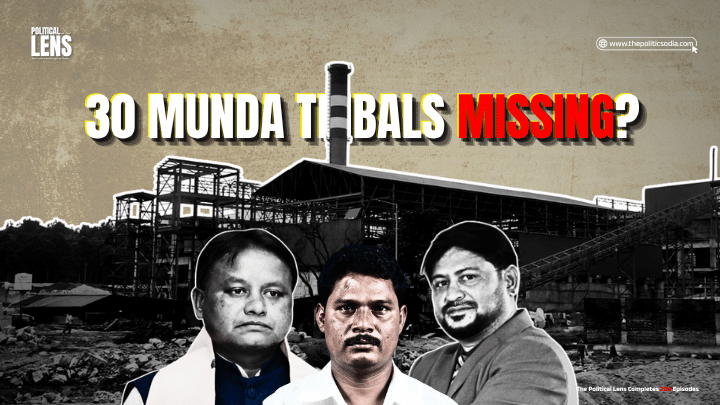 AnalysisSeptember 17, 2026Dilu’s Game, Mohan’s Trouble? 30 Munda Tribals Allegedly Missing, 100+ Acres of Tribal Land Under Question, PM Modi Must Take Note : Super Exclusive
 AnalysisSeptember 11, 2026Thank You, Naveen Babu? BJD’s MMDR Protest Raises Questions Over Leadership and Political Strategy
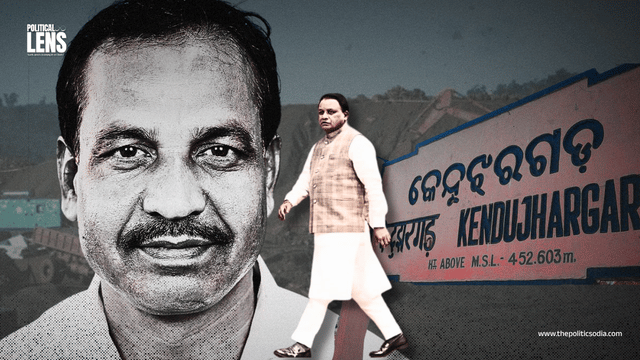 AnalysisSeptember 9, 2026CM in Dubai, Mining Mafia in Keonjhar? Who Is Protecting Odisha’s Mineral Wealth?
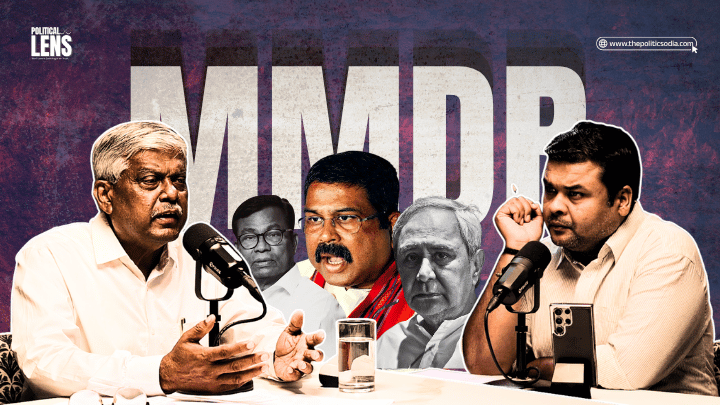 AnalysisSeptember 7, 2026Why Is Mineral-Rich Odisha Still Poor? Radhakanta Sethi Takes on the MMDR Bill in Debate with Sunil Jena