Sunil Jena
Editor in Chief
The Politics Odia
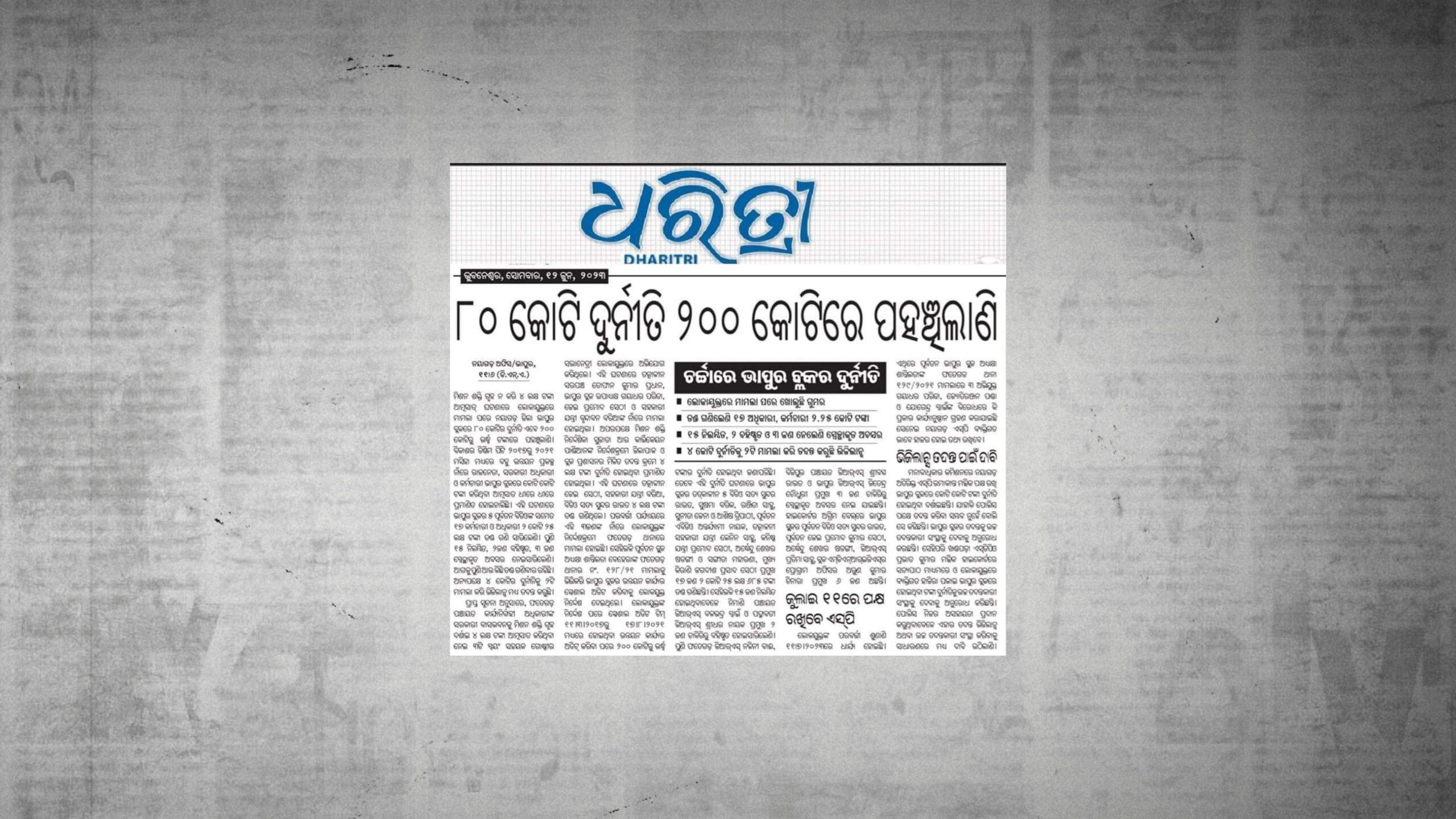
Bhubaneswar: The discussion around the alleged 206-crore irregularity in Bhapur block of Khandapada has resurfaced in Odisha’s political space, not because of a fresh legal development, but because of the political journey of the individuals involved and the change in government.
The sequence of events is important.
The matter first came into focus when findings were placed before the Lokayukta. The issue later moved into the judicial domain, where the High Court directed that the Economic Offences Wing would examine the case. At that stage, the process had clearly entered an institutional framework.
Then came the change in government.

Whenever political power shifts, the public begins to track high-profile investigations more closely. People want to see whether the new administration accelerates the probe, reviews it or allows the existing process to continue at the same pace.
In this case, the debate intensified after the entry of the key local political figure into the ruling party fold. That political development created a perception battle.
The opposition claims that the investigation has slowed down. The ruling side has not issued any formal statement suggesting that the probe has been closed. Officially, the status of the case remains linked to the investigative process.
This distinction between perception and procedure is at the heart of the current controversy.
Anti-corruption cases follow a long route. Collection of financial records, verification of project execution, departmental cross-checks, and legal scrutiny take time. When the amount involved is large and multiple schemes are linked, the timeline becomes even longer.
However, in politics, time itself becomes a message.
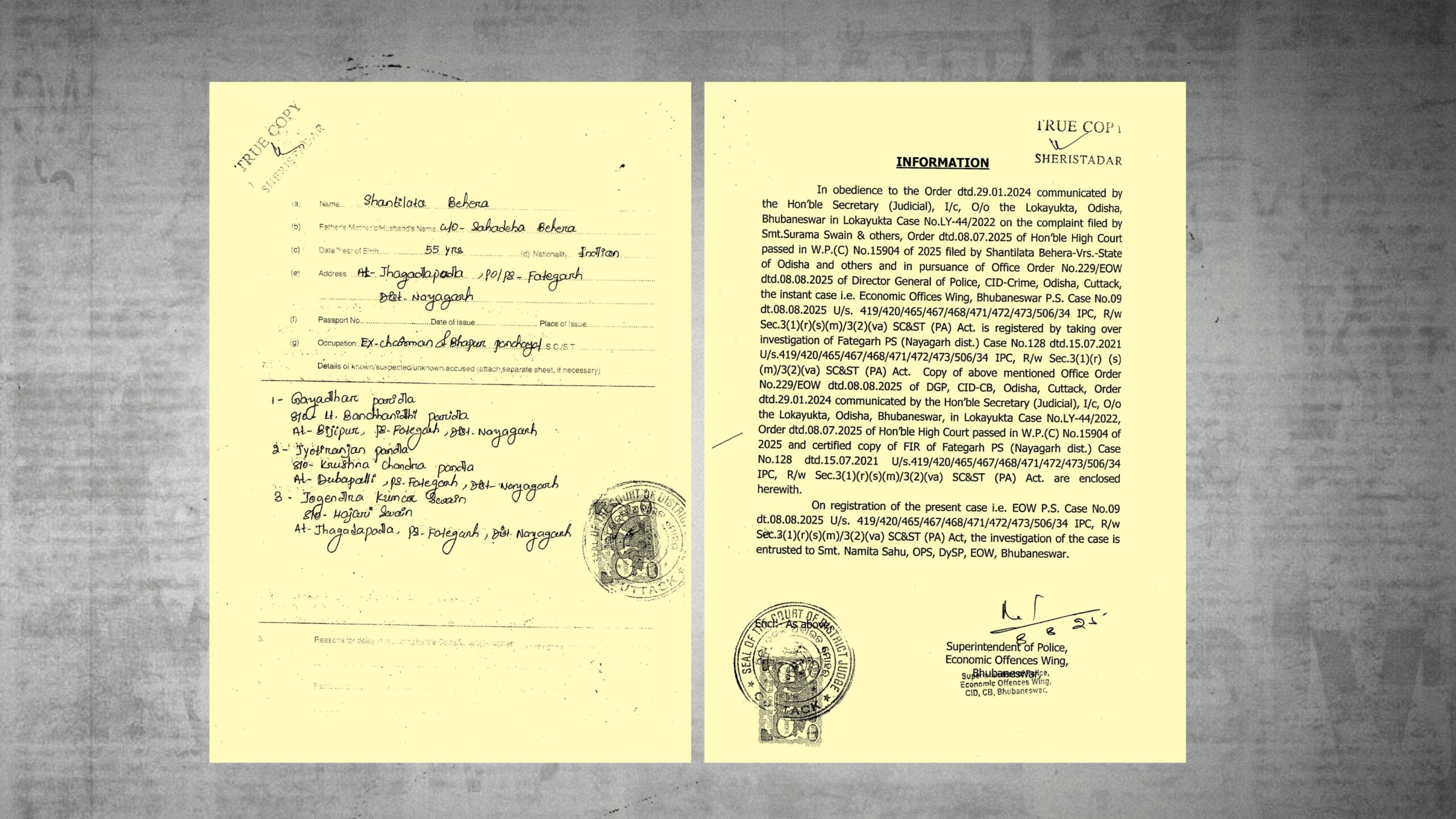
If visible action is not seen for a long period, it creates an impression that the case has lost priority. That impression is then used as a political argument.
The previous administration had projected the case as an example of internal vigilance. Supporters of that period say it showed that the system could act against its own functionaries. The present government is being judged on whether it will carry that process forward with the same intensity.
This is not only about one individual or one block.
It raises a larger governance question. When governments change, do investigations continue with the same institutional momentum? Or do they become part of the political narrative of the day?
For the public, the expectation is straightforward. If an inquiry was ordered, it should reach its logical conclusion. The outcome may be in favour of the accused or against them, but it should be based on evidence and placed in the public domain.
That is how credibility is built.
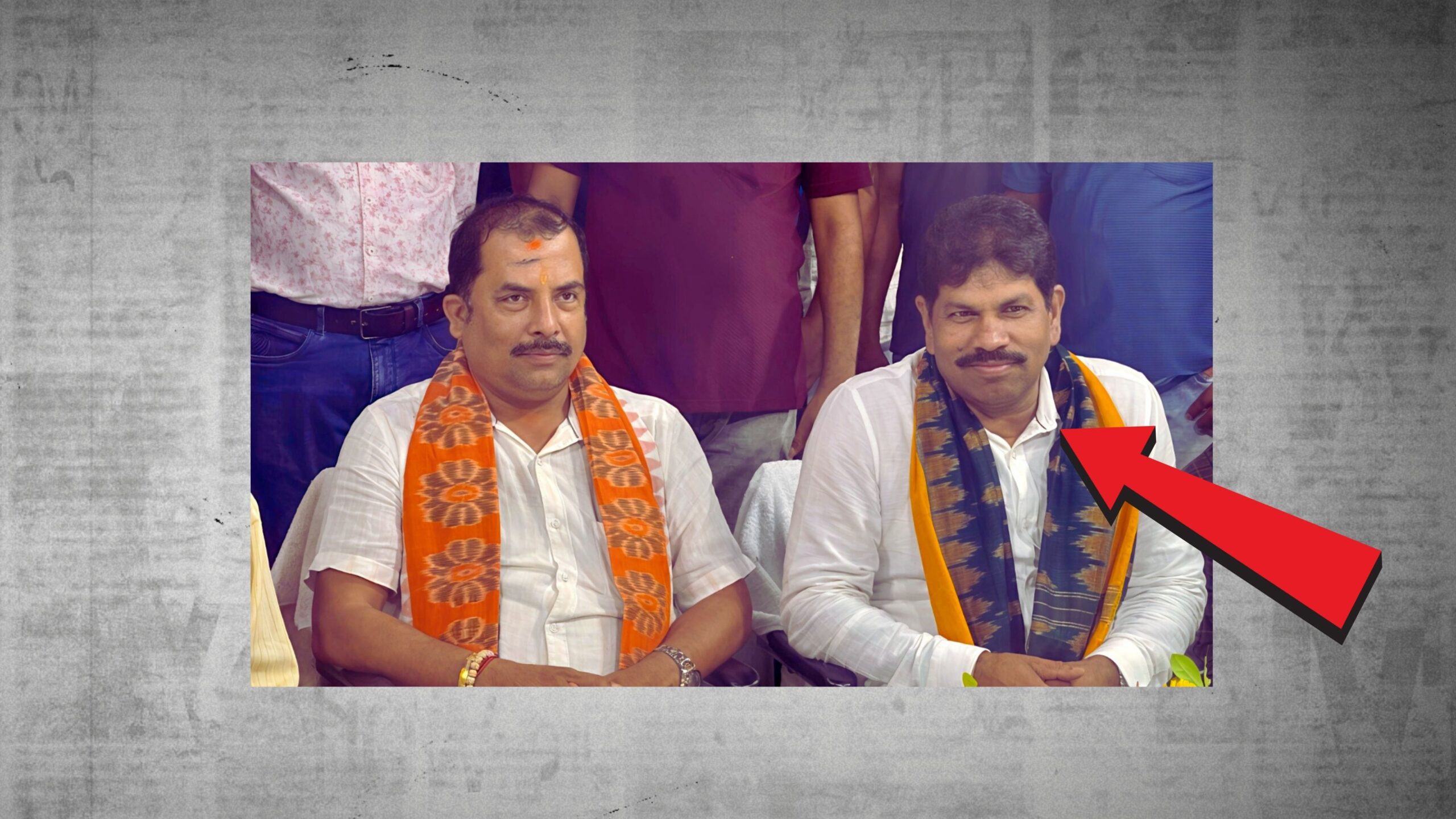
At the moment, the political debate is louder than the legal updates. One side speaks of suppression. The other side speaks through silence and procedure.
The truth will not emerge from speeches. It will come from the progress report of the investigating agency and the eventual legal outcome.
Until that happens, the 206-crore case will remain both a governance test and a political talking point in Odisha.