By Sunil Jena
Editor-in-Chief, The Politics Odia
Bhubaneswar: The Odisha government’s decision to expand reservation in higher education has triggered a fresh political debate in the state. The policy, which will come into effect from the current academic session, increases reservation for Scheduled Tribes, Scheduled Castes and Socially and Educationally Backward Classes across universities, colleges, ITIs and polytechnics.
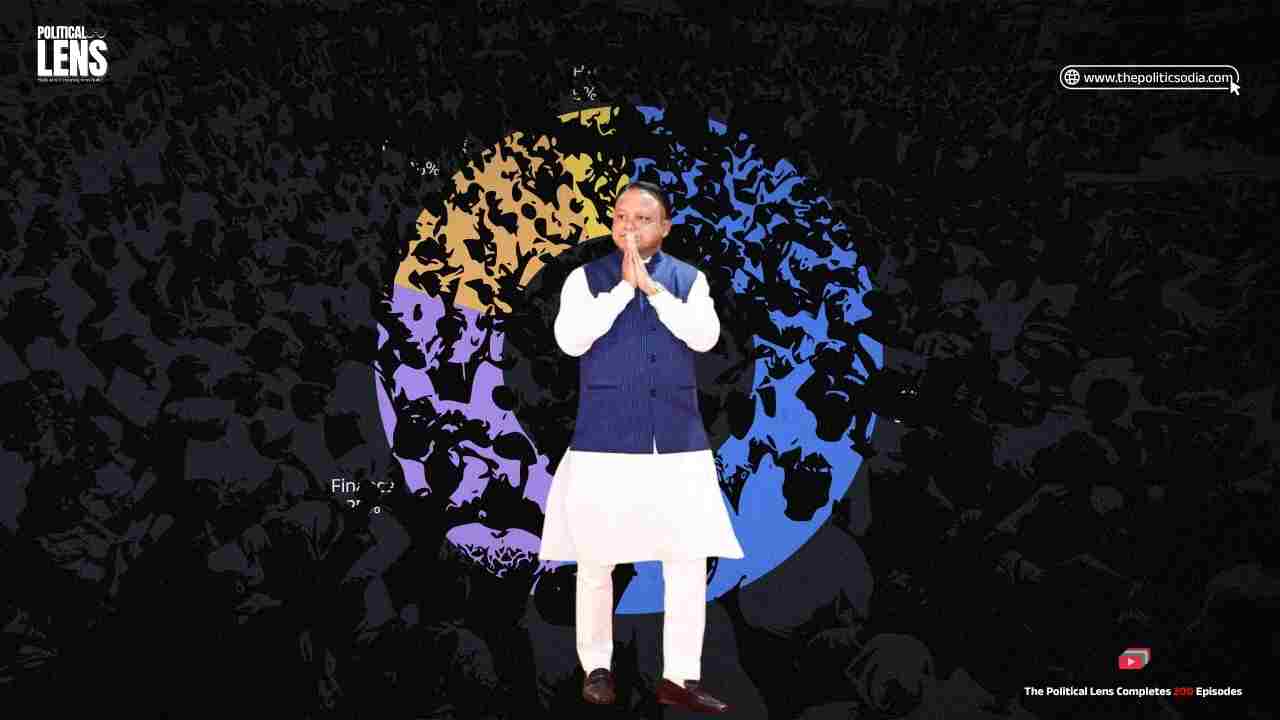
According to the new framework, Scheduled Tribes will receive 22.5% reservation, Scheduled Castes 16.25%, and OBC categories 11.25% in admissions to higher and technical education courses, including medical and engineering streams.
The move has been projected by the state government as a step towards social justice and inclusive development. Union Minister Dharmendra Pradhan described the decision as a historic measure aimed at empowering students from marginalised communities and enabling them to pursue higher education opportunities.
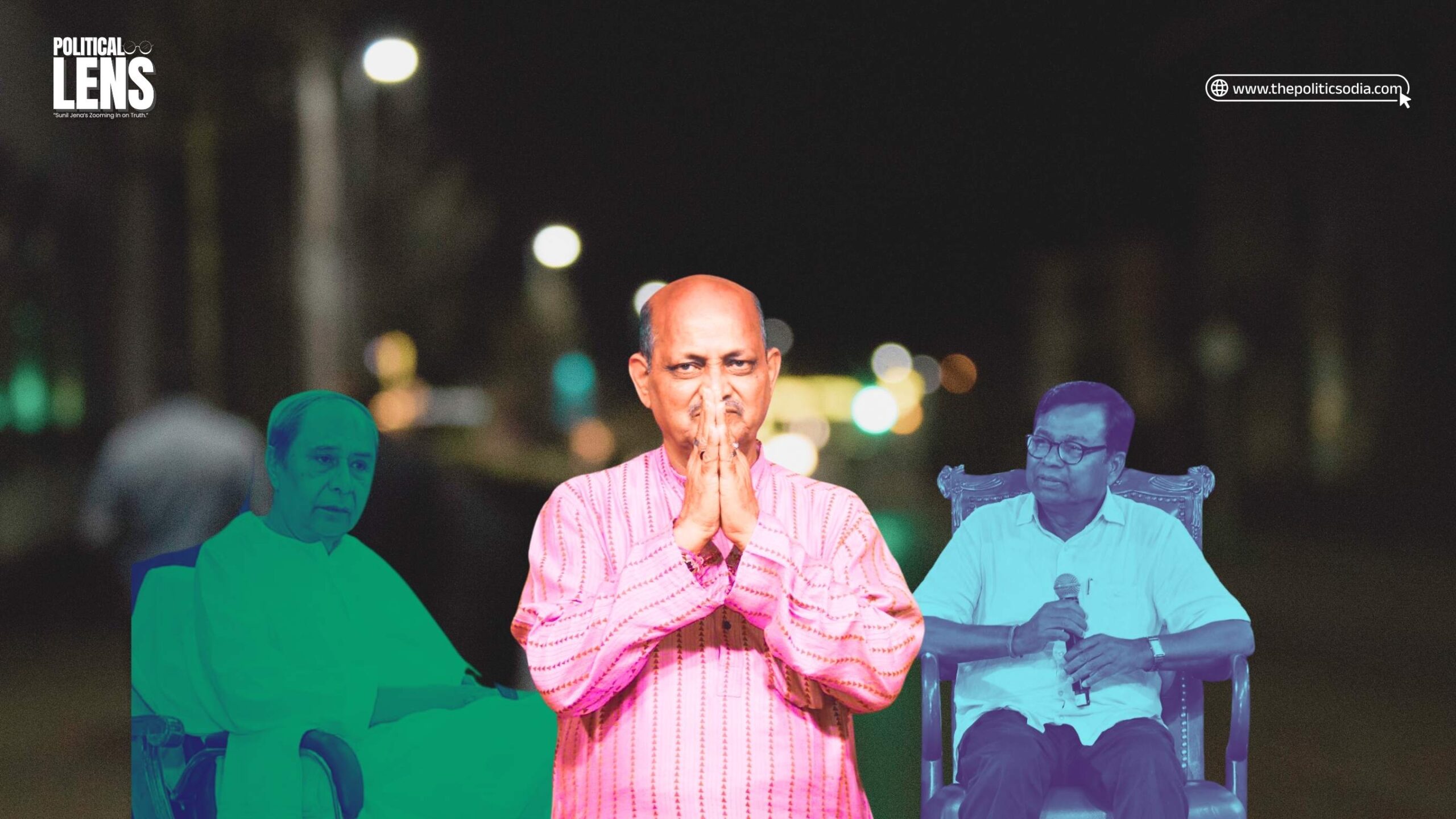
At the same time, the decision has triggered political comparisons with the previous government led by Naveen Patnaik. Leaders from the ruling side have questioned why such a policy was not implemented earlier, while opposition voices have sought to contextualise the decision within broader governance frameworks.

Interestingly, BJD leader Ranendra Pratap Swain also acknowledged the move, adding a new dimension to the political discourse.
Observers note that while the policy itself focuses on educational access and representation, the political narrative around it is increasingly shaped by questions of credit, timing, and intent.
As Odisha moves towards implementing the new reservation structure, the larger debate continues — whether the decision will be viewed primarily as a governance reform or as part of an ongoing political contest.