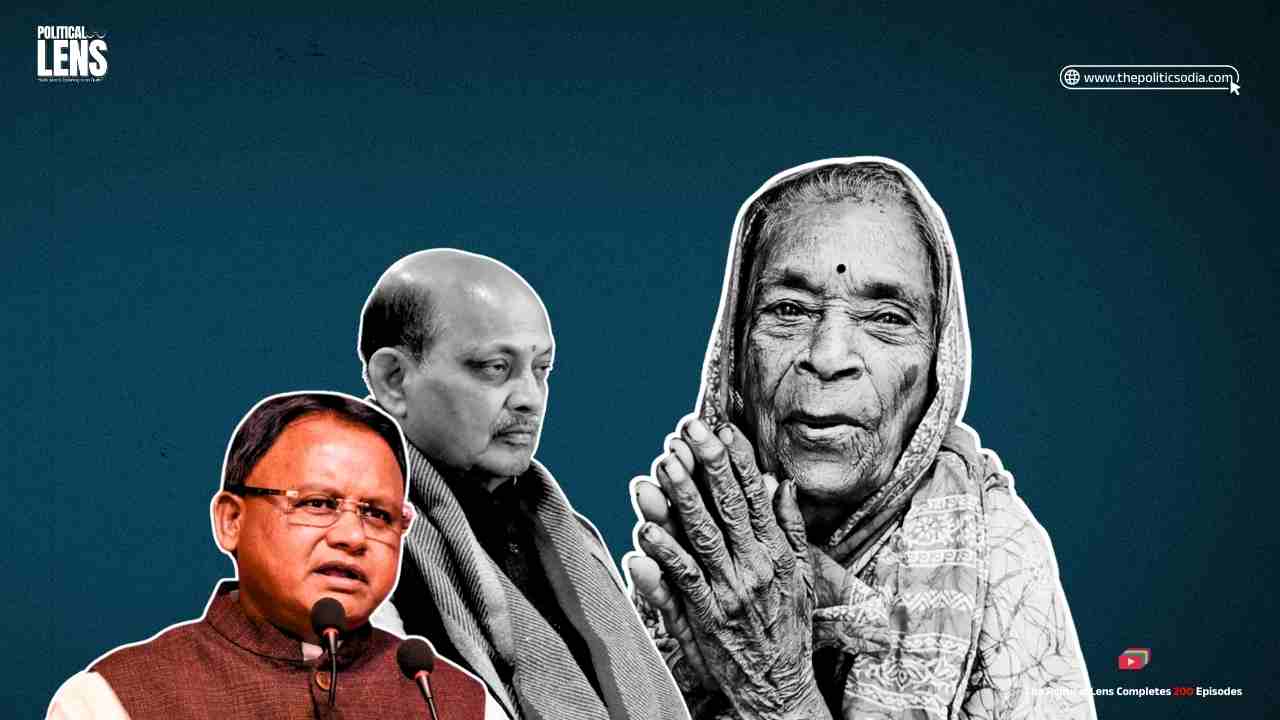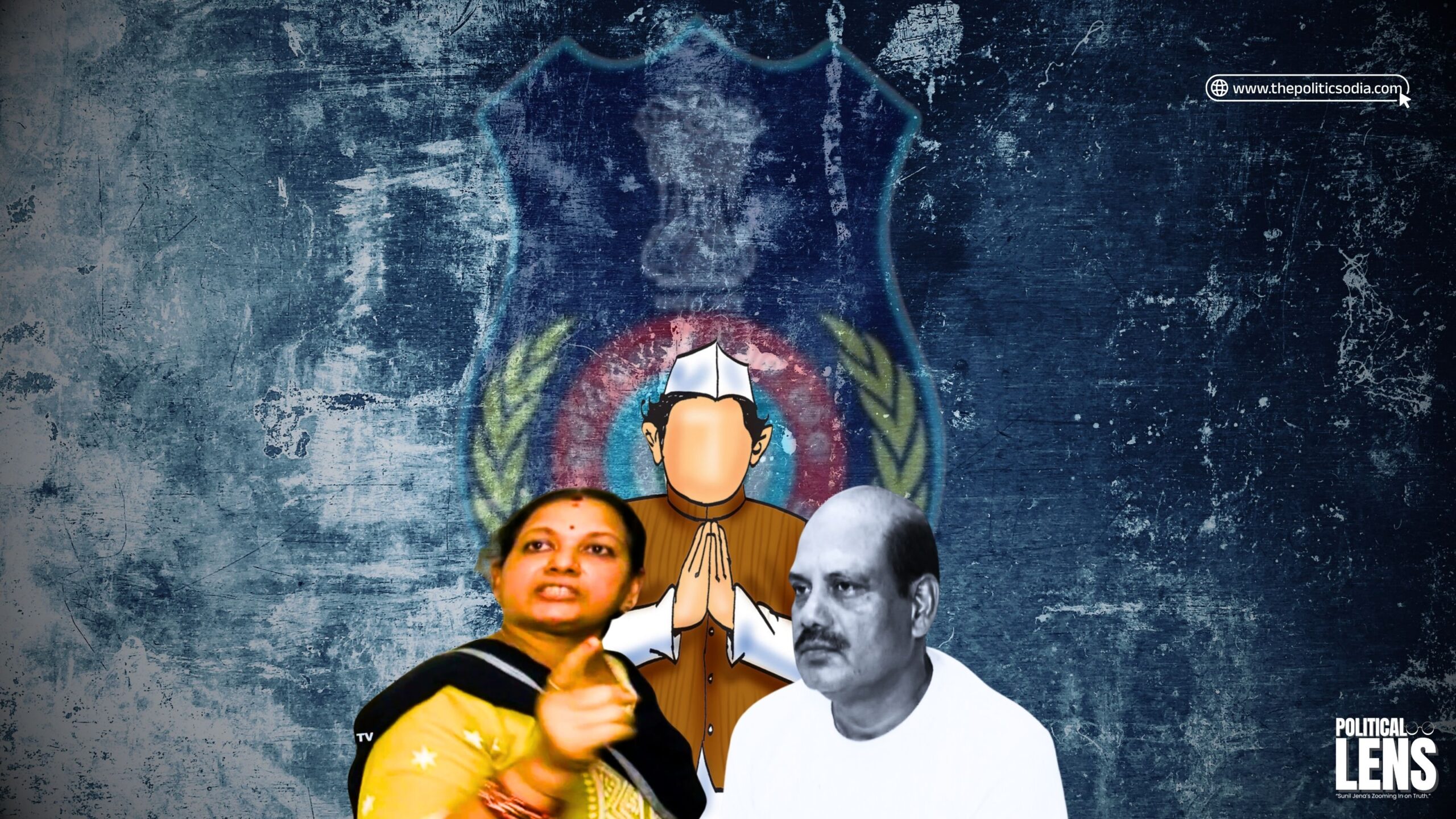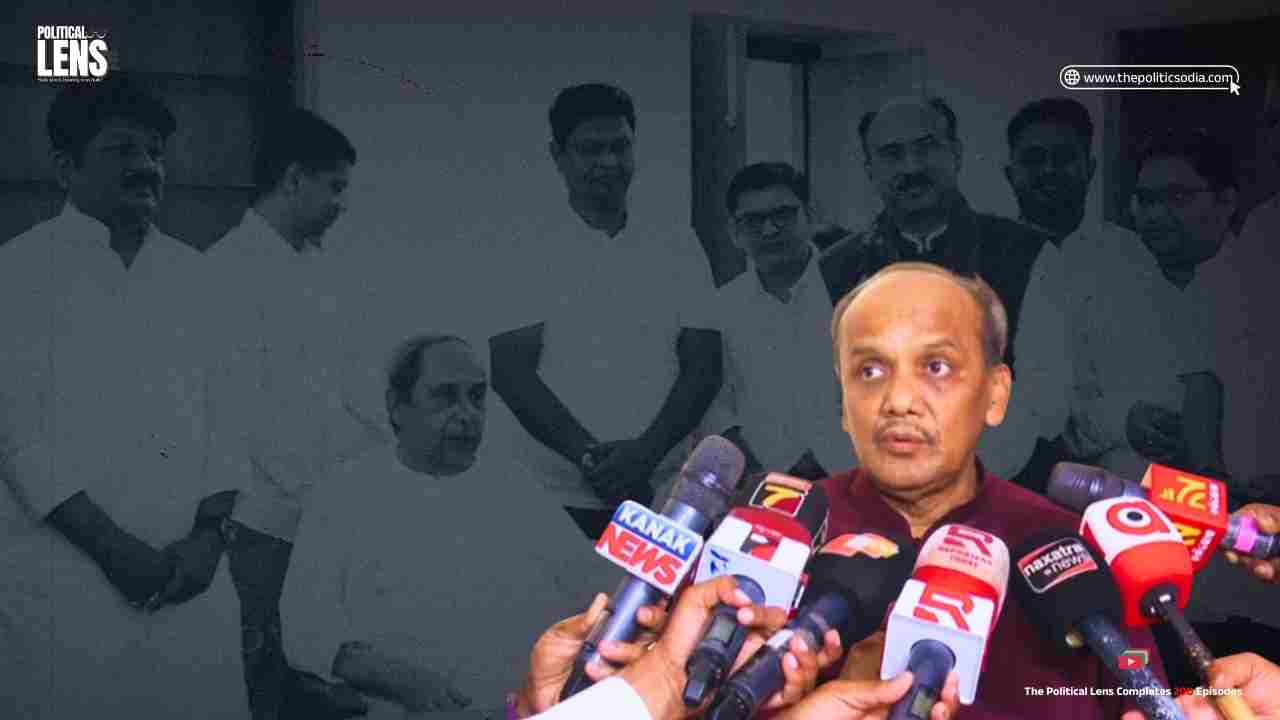
Bhubaneswar: The announcement of the BJD’s Rajya Sabha candidate has set off one of the most visible internal confrontations in the party in recent years, ending with the expulsion of senior leader Pravat Biswal after he openly questioned the leadership’s decision.
What began as a political objection soon turned into a test of authority, discipline and the limits of internal democracy in a party long known for its tightly controlled structure.
Soon after the candidature of Santrupt Misra was declared, Pravat Biswal expressed strong reservations, asking why a leader who had lost an election should be sent to the Upper House while those who had worked consistently for the organisation were overlooked. He indicated that he would write to party president Naveen Patnaik and even suggested that he might step away if there was no discussion on the issue.
His remarks went beyond a routine disagreement. He spoke about the importance of recognising long-term organisational contribution and warned that unilateral decisions could send a wrong signal to party workers. The comments quickly travelled across television studios and social media, placing the BJD leadership in a situation where silence was no longer an option.
Within hours, the party acted.

The expulsion of Biswal was both swift and decisive, reinforcing the BJD’s long-standing message that public criticism of internal decisions will not be tolerated. The move also ensured that the focus shifted from the candidate to the question of discipline.
Senior leader Pramila Mallik, meanwhile, attempted to calm the situation by asserting that there was no dissent in the party and that the Rajya Sabha candidate would receive support from all sides. Her statement reflected the official line that the organisation remained united and the election arithmetic was in place.
Yet, the episode has opened up a deeper conversation within political circles.
The Rajya Sabha seat, especially after the party transitioned to the opposition, has become more than a parliamentary position. It is now a key instrument for national visibility, policy articulation and political messaging. The choice of a candidate, therefore, carries symbolic weight.
For the leadership, the decision appears to be part of a broader strategy to bring in a face that can represent the party in a changing political environment where engagement with national institutions, industry and policy platforms has become increasingly important.
For a section of the traditional political class within the party, however, the move has raised questions about the space available for long-serving leaders who built the organisation at the grassroots.
This tension between organisational loyalty and strategic repositioning is not unique to the BJD. Many regional parties that move from power to opposition face a similar phase, where the old structure and the new political requirements do not always align smoothly.
What makes this moment significant is the manner in which it unfolded in public.
For over two decades, the BJD functioned with a model in which internal differences rarely reached the media. The present episode marks a departure from that pattern and suggests that the party, like the political environment around it, is going through a phase of adjustment.
The expulsion also sends a clear signal to the cadre. Authority remains centralised, and the leadership is willing to take strong steps to prevent the emergence of parallel narratives.
At the same time, the incident is likely to be watched closely by party workers across districts, many of whom see in it a reflection of the larger question of how experience, loyalty and new strategic priorities be balanced in the years ahead.
For now, the immediate crisis has been contained through disciplinary action. The Rajya Sabha election will proceed as planned, and the party will project unity.
But the political significance of the episode lies beyond the election.
It marks a moment where the BJD’s internal transition has become visible in the public domain.
From Bhubaneswar to Delhi, the message is clear: the leadership will decide the course, and dissent, if it crosses the internal line, will invite consequences.
Whether this strengthens organisational cohesion or leaves behind silent unease is something that will only become clear in the months to come.
Sunil Jena
Editor in Chief
The Politics Odia