By Sunil Jena, Editor-in-Chief
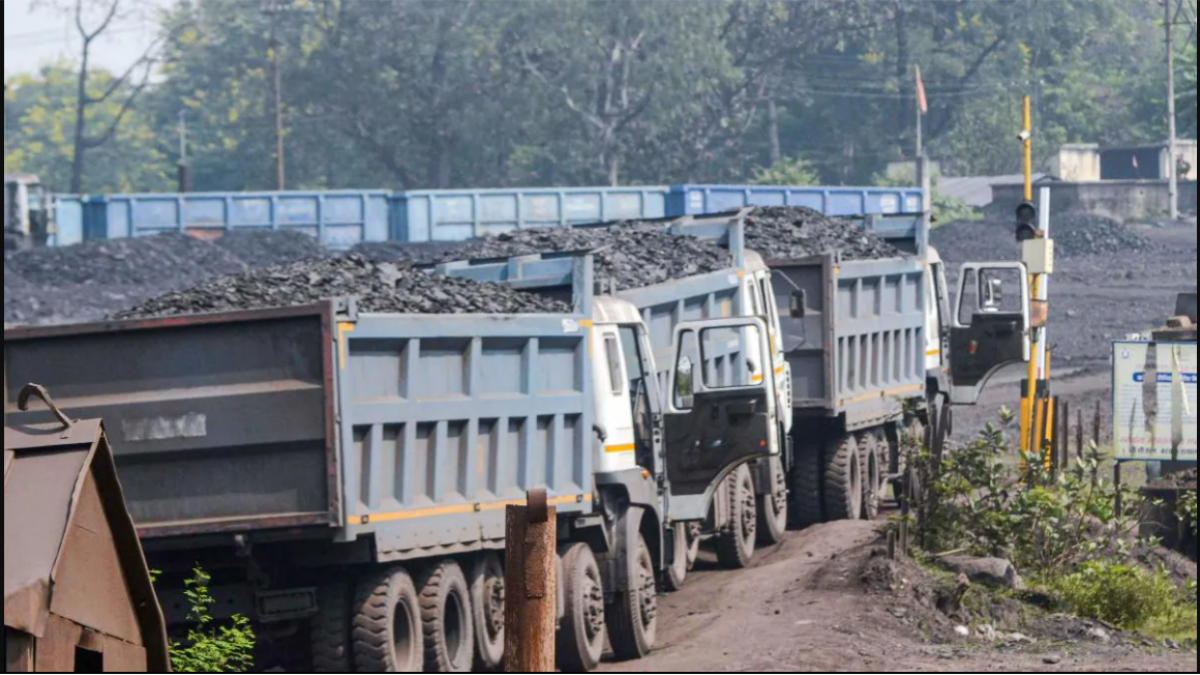
Bhubaneswar: In Jharsuguda’s industrial landscape, where large volumes of fly ash move out of plants every day, a parallel story appears to be taking shape, one that goes beyond routine transport and points to the possibility of a tightly controlled logistics network operating around a regulated resource.
Fly ash generated from coal-based operations, including units linked to Vedanta Limited, is governed by clear guidelines that require it to be supplied free of cost or at nominal rates for utilisation. However, accounts from transporters, small industrial users and local sources suggest that the system on the ground may not fully reflect these norms.
Several transporters allege that access to fly ash lifting and transportation is not open to all. According to them, only a limited set of operators are able to regularly secure movement, while others find it difficult to enter the system. There are also claims that transport rates are not market-driven but are instead decided within a closed network, with little room for independent negotiation. These claims could not be independently verified through official records, but their repetition across sources points to a pattern that has raised concern among stakeholders.
At the centre of many of these accounts is Kunal Majundar, who is described by transporters as a key on-ground figure in the region’s logistics operations. Sources claim that his role has expanded significantly over time, moving from local supply activities such as sand transport into larger sectors like coal and now fly ash movement. A business entity identified by sources as Ishani Traders is said to be associated with these operations, though no independent confirmation could be established from publicly available documents.


Transporters familiar with the system allege that truck movement, route allocation and load distribution are managed through a coordinated structure. Entry into this system, they claim, is difficult without alignment with existing operators. One transporter said that “everything is fixed, from rate to route,” indicating that the system may function less like an open market and more like a controlled network. While there is no official confirmation of such a mechanism, these claims have led to questions about whether a cartel-like arrangement may be operating within the sector.
Local accounts further suggest that Kunal Majundar’s rise in the transport sector has been accompanied by the development of political linkages across different phases. Sources claim that he was initially associated with late Lalatendu Bidyadhar Mohapatra and maintained connections within Congress circles, including individuals such as Mitu Mohanty, Suvendu Mohanty and Amiya Das. These connections, sources say, later translated into proximity with late Naba Das, a senior political figure from western Odisha, and his son Vishal Das.
Following political shifts in the state, sources further claim that his network adapted to changing alignments, with links extending to individuals associated with regional political and business circles in the Jharsuguda–Sambalpur belt. Names such as Deben Pati, Subhranshu Padhi, Dablu Badhei and Bhukan Pattanaik are cited by sources in this context. More recently, after the formation of the new government, sources allege that proximity has been established with individuals connected to the current political setup as well. These claims remain unverified.
Alongside the local operational layer, multiple sources have pointed to a broader private network that may be influencing the system at a higher level. An entity named Sarada Enterprise has been mentioned in this context and is informally linked by sources to Sunil Gupta, a former executive associated with Vedanta Limited. According to transporter accounts, this layer may be connected to coordination and structuring of logistics, while execution is handled by local operators. There is no publicly available documentation confirming this arrangement.
The convergence of these layers, a local operational network and a broader coordinating influence, has led some stakeholders to describe the system as a syndicate-like structure controlling a high-volume industrial activity. They allege that what is officially a regulated waste movement chain may, in practice, be functioning as a revenue-generating logistics network.
These developments have also raised questions about oversight. The role of Odisha State Pollution Control Board and other authorities comes into focus in terms of monitoring compliance with transport norms, ensuring transparency in allocation and preventing environmental violations. However, publicly accessible information on audits or enforcement related to fly ash transport remains limited.
Given the scale of operations and the concerns raised, there are increasing calls from local stakeholders for closer examination of the system. The matter is also being seen as one that may require attention from elected representatives, including Jharsuguda MLA Tankadhar Tripathy, particularly in the context of ensuring transparency and fair access in industrial logistics.
Officials indicate that agencies such as the Economic Offences Wing, Enforcement Directorate and state Vigilance could look into such issues if formal complaints or supporting evidence are brought forward.
No official response from Vedanta Limited or from individuals named in connection with the allegations was available at the time of publication. Responses will be included if received.
The situation in Jharsuguda suggests that behind the routine movement of fly ash, a more complex system may be operating, one that connects transport, business interests and access. Whether this points to systemic gaps, informal practices or something more serious can only be determined through a detailed and independent inquiry.
This report is based on inputs from local sources and stakeholders. Several claims remain unverified and are presented in public interest. All concerned parties have the right to respond.