Sunil Jena
Editor-in-Chief, The Politics Odia
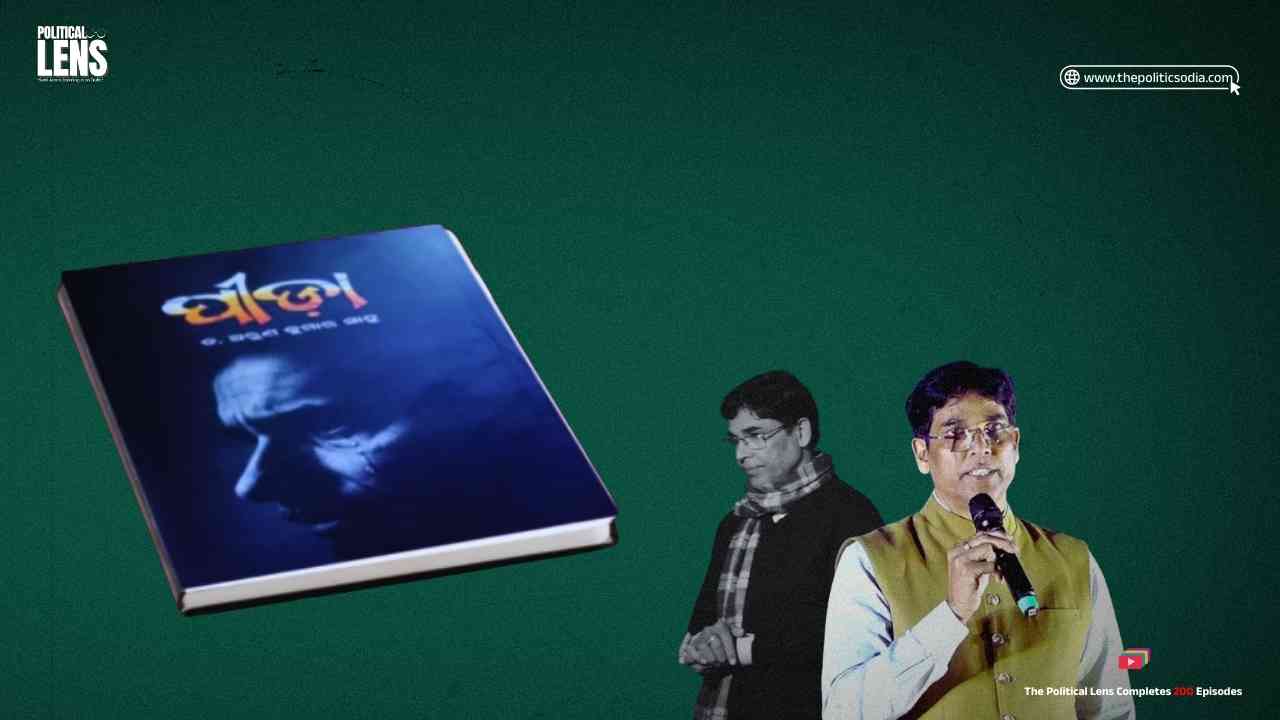
Bhubaneswar: The political temperature inside the Biju Janata Dal has risen sharply in recent weeks, as the party leadership signals zero tolerance for internal indiscipline. The latest name to dominate the conversation is Arun Sahoo, whose recent remarks and publication have reopened a familiar debate in Odisha politics: where does internal criticism end and organisational breach begin?
Over the past few days, speculation around Arun Sahoo’s status intensified after he raised questions about governance during BJD’s long tenure and referenced concerns involving senior leadership and former power centres. While parties routinely absorb internal feedback, public articulation, especially through a book, changes the optics.
A Clear Message from the Top
BJD Supremo Naveen Patnaik has, in recent weeks, taken firm action against several leaders. The suspensions of Aravind Mohapatra and Sanatan Mahakud, along with multiple district and panchayat-level functionaries, underline a broader organisational reset.
The message appears straightforward: dissent that spills into the public domain will invite consequences.

From the party’s perspective, discipline is essential, especially after electoral setbacks and during a phase of internal reorganisation. Leadership believes that mixed signals weaken cadre morale and confuse voters.
The Shadow of the Past Power Structure
Arun Sahoo’s statements also revived memories of the previous administrative-political arrangement, often associated with V. K. Pandian. For years, critics argued that decision-making had become centralised. Supporters countered that governance efficiency improved during that phase.
Whatever one’s position, those years continue to shape present debates. Any reference to that era immediately becomes politically charged.
What This Means for BJD
This episode is less about one MLA and more about organisational direction. BJD is signalling that it wants a unified message as it rebuilds. Public airing of grievances, especially allegations, cuts against that strategy.
At the same time, political parties are living organisations. Leaders with long public careers often carry personal viewpoints shaped by experience. The challenge for BJD is to accommodate feedback internally while maintaining outward coherence.
A Familiar Dilemma in Indian Politics
Across parties, the pattern is similar:
- Internal discussion is encouraged.
- Public dissent invites disciplinary action.
Arun Sahoo’s case fits this broader template.
Whether this approach strengthens BJD or narrows its internal diversity will become clear over time. For now, the party has chosen consolidation over conversation.
Beyond Headlines
It is important to note that suspensions are organisational actions, not legal judgments. Political accountability and legal accountability operate on different tracks. The present development belongs to the former.
For voters, the larger question remains: will tighter party discipline translate into sharper governance focus?
That answer will not come from press releases but from performance on the ground.