Sunil Jena
Editor in Chief, The Politics Odia
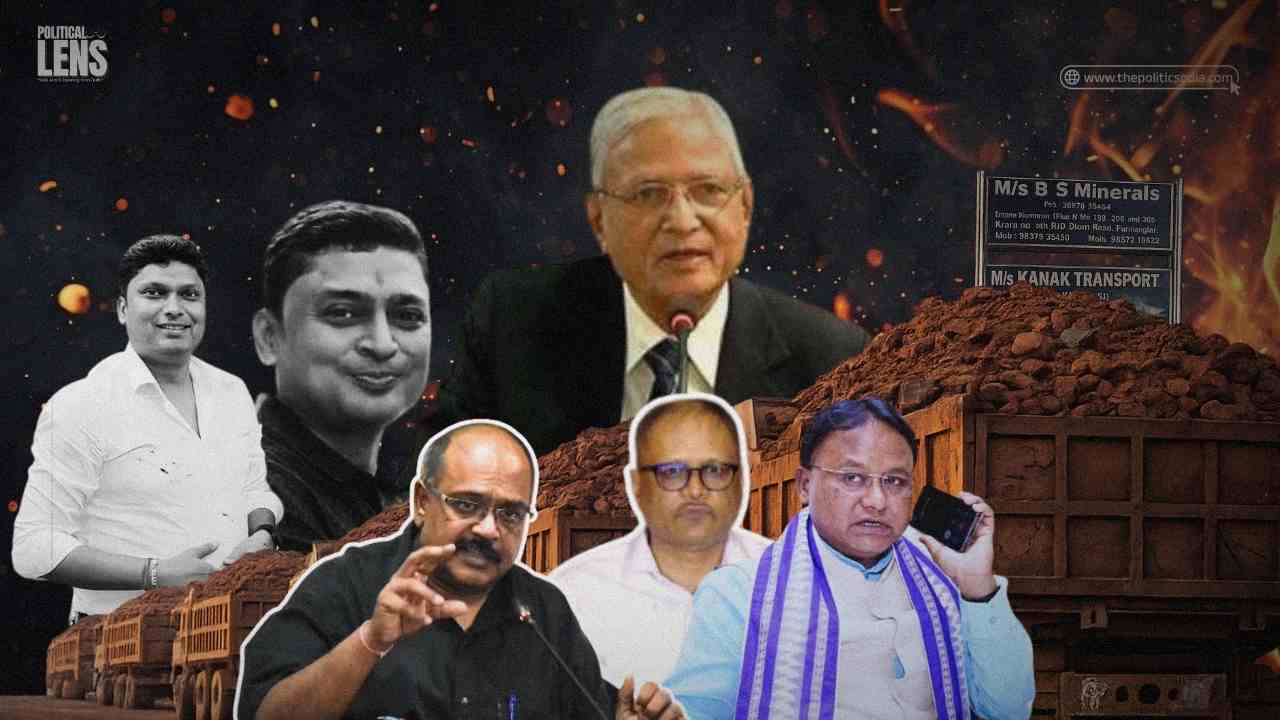
Bhubaneswar: Keonjhar has once again moved to the centre of Odisha’s political and administrative conversation. Searches by the Enforcement Directorate and the Income Tax Department at locations linked to Kanak Transport have been followed by a swift change in the state’s mining leadership. Mines and Steel Secretary Surendra Kumar has been moved out, and Deo Ranjan Singh, widely known as D. K. Singh, has taken charge.
The timing of the reshuffle has naturally raised questions.
It is important to begin with a basic fact. Searches by enforcement agencies are part of an investigative process. They do not establish guilt. Outcomes depend on documents, financial trails and legal follow-up. Administrative reshuffles, on the other hand, are policy decisions taken by the government to manage departments.
Still, when both happen close together, public curiosity is inevitable.

The searches are linked to business interests associated with Sittu Sahu and Jitu Sahu, often referred to locally as the Sahu brothers. Their transport operations and alleged links to mineral movement have been discussed in Keonjhar for years, but the present scrutiny has brought the issue into sharper focus.
Keonjhar matters not only because of its mineral wealth, but also because it is the home district of Chief Minister Mohan Charan Majhi. Any major enforcement action here carries symbolic weight. For supporters of stricter oversight, it signals accountability. For critics, it highlights why sustained monitoring of mining and transport corridors is necessary.
Adding another layer to the story are references to past findings of M. B. Shah, whose commission had earlier examined illegal mining in Odisha. Sources indicate that questions around seized mineral material and its subsequent handling have resurfaced in current discussions, though formal conclusions will only emerge after investigations run their course.
Against this backdrop, the secretary-level change has become a subject of intense debate.
Some see it as a routine administrative adjustment, aimed at strengthening supervision at a sensitive time. Others read it as a signal that the government wants tighter control over the mining department while multiple agencies are active on the ground.
From a governance perspective, such changes usually serve three purposes.
First, they attempt to restore confidence inside the system, reassuring field officers that leadership is alert. Second, they allow the government to realign priorities when a department faces unusual scrutiny. Third, they send a message to stakeholders that compliance will be closely watched.
Whether this reshuffle achieves those goals will depend on what follows.
For residents of Keonjhar, the expectation is simple. They want mining to be regulated, transport to be transparent, and natural resources to benefit the region without causing long-term damage. For the state government, the challenge is to ensure that enforcement actions translate into lasting institutional improvements, not just headlines.
It is also worth remembering that Odisha’s mining economy supports thousands of livelihoods. Any clean-up effort must separate illegal activity from legitimate enterprise. Blanket action without due process risks disruption. Inaction risks erosion of trust.
At this stage, the story is still unfolding. Investigations are ongoing. Administrative changes have been made. Political interpretations are multiplying.
What will ultimately matter is consistency.
If the present scrutiny leads to clearer rules, stricter monitoring and fair enforcement across districts, Keonjhar could become a reference point for reform. If it fades into another cycle of raids and reshuffles, the deeper issues will remain.
For now, EP-204 looks at this moment as a test showpiece for Odisha’s governance framework. Not because of one company or one set of officials, but because it asks a larger question.
Can the system convert pressure into progress?
That answer will not come from press statements. It will come from what people see on the ground in the months ahead.
Author Profile

- Sunil Jena is the Editor of The Politics Odia, an independent digital platform that delivers fearless political analysis, ground reports, and investigative stories from Odisha. Known for bold storytelling and grassroots connections, Sunil is shaping a new era of regional journalism.
Latest entries
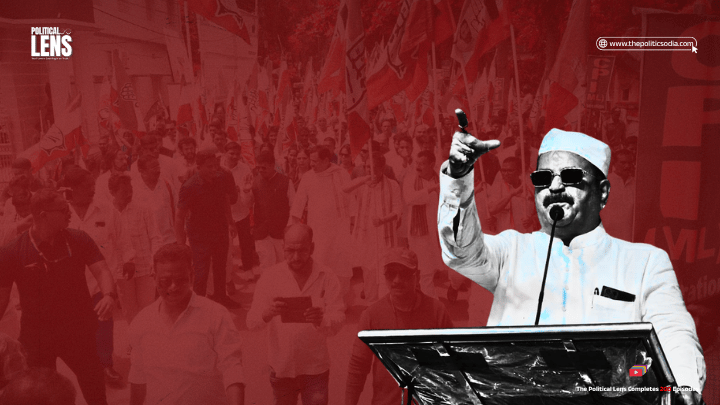 AnalysisSeptember 22, 2026Opposition Parties Hold Rally in Rayagada Seeking Repeal of MMDR Amendment Act 2026
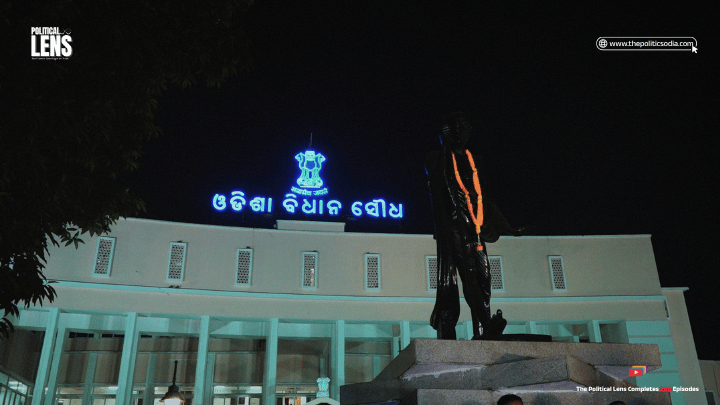 AnalysisSeptember 22, 2026Odisha Assembly Adjourned Till 1:10 PM Amid Opposition Uproar on First Day of Monsoon Session
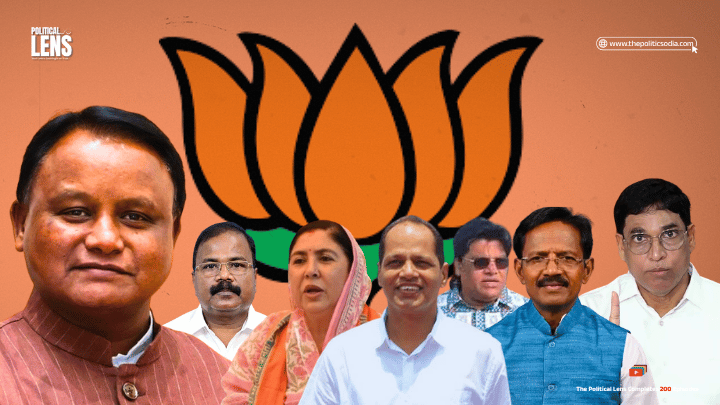 AnalysisSeptember 21, 2026BJP MPs, MLAs Flag Delays in Development Projects; Letters Trigger Fresh Political Row in Odisha
 AnalysisSeptember 11, 2026Thank You, Naveen Babu? BJD’s MMDR Protest Raises Questions Over Leadership and Political Strategy