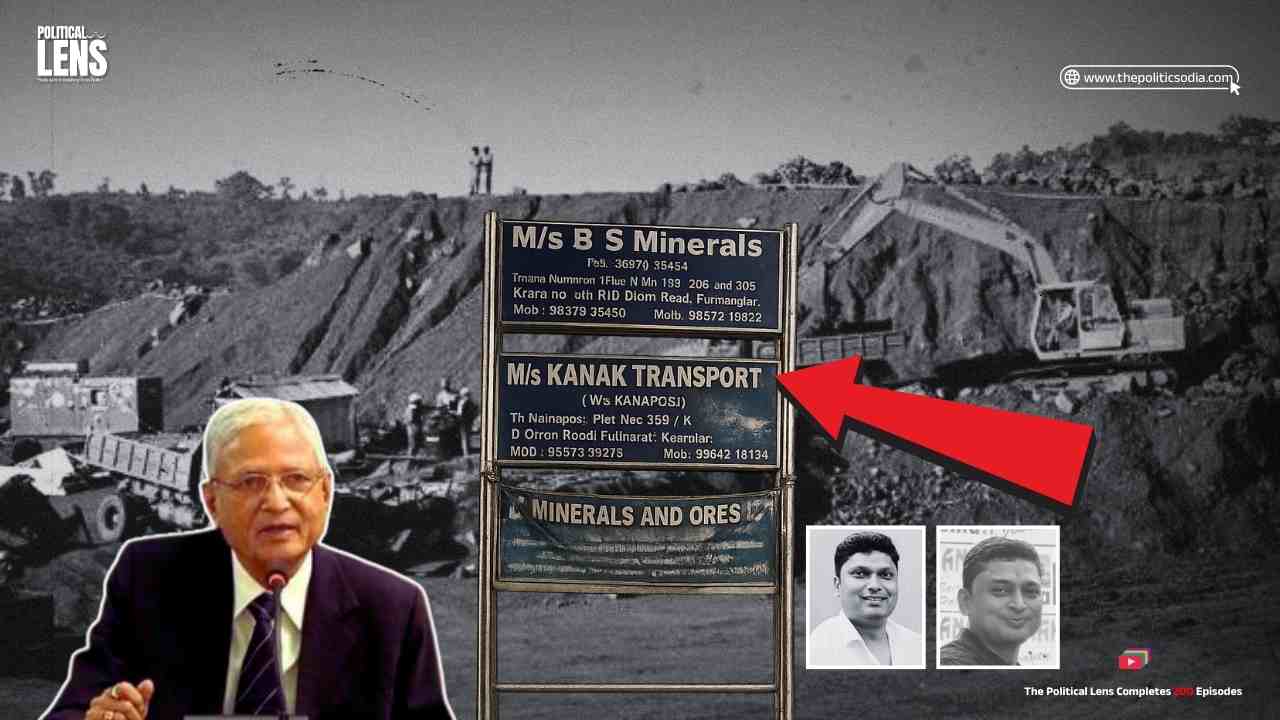
ED, IT Raids Uncover Alleged Illegal Iron Ore Diversion Linked to Keonjhar’s Kanak Transport
Sunil Jena
Editor-in-Chief, The Politics Odia
Bhubaneswar, Keonjhar (Odisha): After three days of sustained searches by the Enforcement Directorate and the Income Tax Department, fresh details have emerged in an alleged illegal mining and transportation network centred around Kanak Transport in Keonjhar district.
According to officials familiar with the probe, the case is linked to iron ore that was earlier seized following investigations by the M.B. Shah Commission into unlawful mining activities in Odisha. Investigators now suspect that a portion of this seized material was illegally diverted and transported to multiple steel units, including West Bengal-based Rashmi Metallics, using forged transit permits, fake DDM clearances and manipulated GST documents.
Sources said the iron ore was allegedly moved without valid paperwork by showing transit permits of other operational mines, raising serious questions about systemic lapses and possible collusion.

The spotlight is currently on Kanak Transport’s key operators, Jitu Sahu and Situ Sahu. Officials indicated that the ED is examining who may have been backing the duo and whether a wider syndicate was involved. There is growing speculation about the possible role of officials across GST, DDM, police, transport and mining departments, though no formal charges against serving officers have been announced so far.
Parallel Raids in West Bengal
In a related development, the raids began early Tuesday in West Bengal, targeting premises linked to Bengal Police officer-in-charge Manoranjan Mondal and others, including Kiran Khan, Sekh Akhtar, Prabir Datta and Mirza Hesamuddin Baig, officials said.
The searches are being conducted under the provisions of the Prevention of Money Laundering Act (PMLA). Authorities stated that the broader investigation covers alleged illegal extraction and transportation of minerals and coal, causing significant losses to the exchequer. The ED is probing the suspected generation and laundering of proceeds of crime linked to the illicit trade.
The alleged smuggling network in West Bengal has been under the scrutiny of central agencies for several years. The matter first gained prominence after the Central Bureau of Investigation registered an FIR alleging large-scale pilferage of coal from mines operated by Eastern Coalfields Limited in Asansol and neighbouring regions.
Subsequently, the ED launched a parallel money-laundering inquiry to trace financial trails and identify beneficiaries. Investigators have earlier claimed that illegally mined coal and minerals were transported using forged documents, allegedly in collusion with certain officials and private individuals. Funds generated from unlawful sales are believed to have been routed through multiple channels to conceal their origin.
Focus on Financial Trails
Officials said the ongoing searches aim to gather evidence related to financial transactions, property acquisitions and alleged links between public servants and private operators. Several documents and digital devices have reportedly been seized and will now undergo forensic examination.
With the alleged diversion of Shah Commission–seized iron ore now under scrutiny, investigators are trying to establish how the material moved out of storage and reached industrial units across state borders. The unfolding probe in Keonjhar is expected to widen further in the coming days as agencies follow money trails and logistics records to identify the full extent of the network.
Shah Commission Figures Add Gravity to the Case
Data from the Shah Commission’s Odisha report underscores the scale of suspected irregularities. The Commission documented that approximately 97,57,803 metric tonnes (about 9.757 million tonnes) of iron ore were produced unlawfully across covered leases either without Environmental Clearance or in excess of permitted limits, classifying it as illegal production.
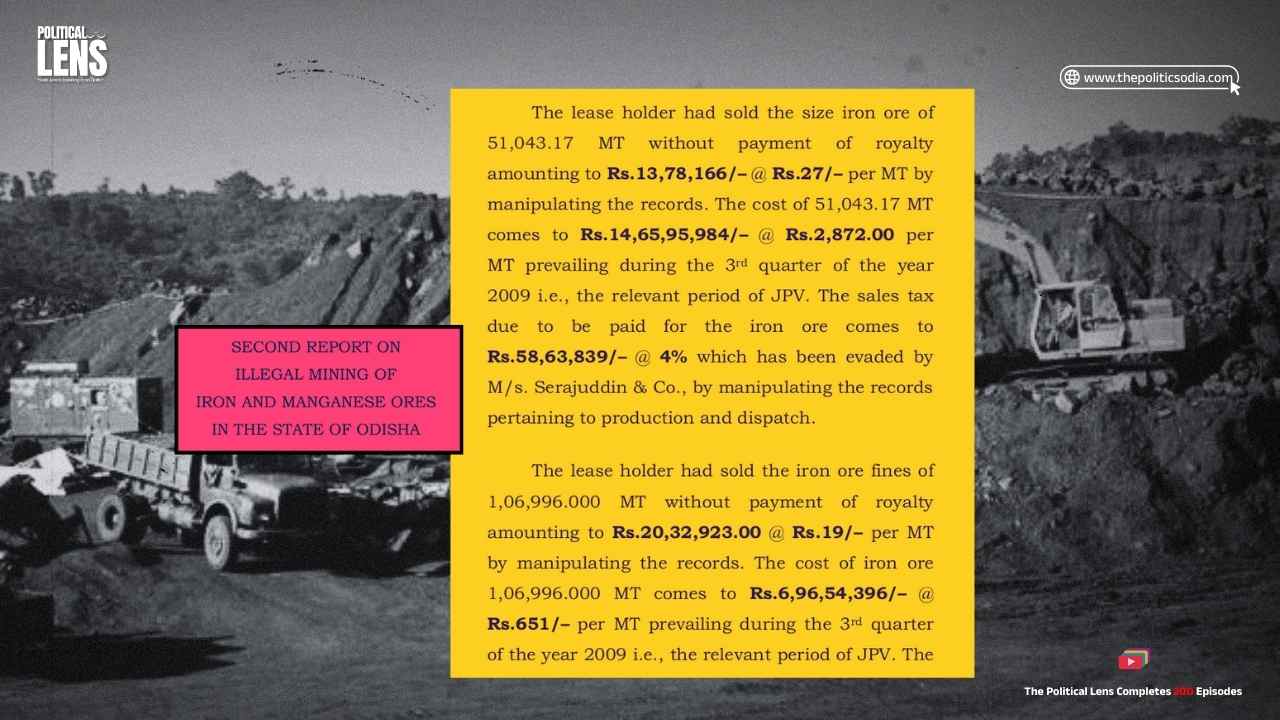
In the Keonjhar belt, including the Balda iron ore mines, the Commission recorded that between 1980 and 1997, nearly 14,97,897 MT of iron ore was illegally extracted, of which 14,97,743 MT had already been dispatched, leaving negligible physical stock on the ground mb saha comision. Officials noted that the Shah Commission primarily quantified illegal extraction and dispatch and recommended recovery of its value, rather than publishing a single consolidated figure of physically seized ore.
Investigators are now trying to establish how ore identified as illegal during the Commission period allegedly re-entered commercial supply chains years later.
“The Shah Commission report also recorded that over 51,043 MT of size iron ore and 1,06,996 MT of fines were sold without paying royalty, causing losses of several crores to the exchequer, with the market value of the illegally traded material pegged at more than ₹21 crore at prevailing 2009 rates.”
Focus on Syndicate Angle
Back in Odisha, officials are also examining possible collusion involving GST, DDM, police, transport and mining departments, amid growing speculation about a wider syndicate facilitating the alleged diversion.
Search teams have reportedly seized documents and digital devices, which will now undergo forensic examination to track financial transactions, property acquisitions and links between public servants and private operators.
With the alleged movement of Shah Commission–identified iron ore now under scrutiny, investigators are following logistics records and money trails to determine how the material crossed state borders and reached industrial units. The unfolding probe in Keonjhar is expected to widen further in the coming days.
Author Profile

- Sunil Jena is the Editor of The Politics Odia, an independent digital platform that delivers fearless political analysis, ground reports, and investigative stories from Odisha. Known for bold storytelling and grassroots connections, Sunil is shaping a new era of regional journalism.
Latest entries
 AnalysisSeptember 22, 2026Opposition Parties Hold Rally in Rayagada Seeking Repeal of MMDR Amendment Act 2026
 AnalysisSeptember 22, 2026Odisha Assembly Adjourned Till 1:10 PM Amid Opposition Uproar on First Day of Monsoon Session
 AnalysisSeptember 21, 2026BJP MPs, MLAs Flag Delays in Development Projects; Letters Trigger Fresh Political Row in Odisha
 AnalysisSeptember 11, 2026Thank You, Naveen Babu? BJD’s MMDR Protest Raises Questions Over Leadership and Political Strategy