Sunil Jena
Editor-in-Chief, The Politics Odia
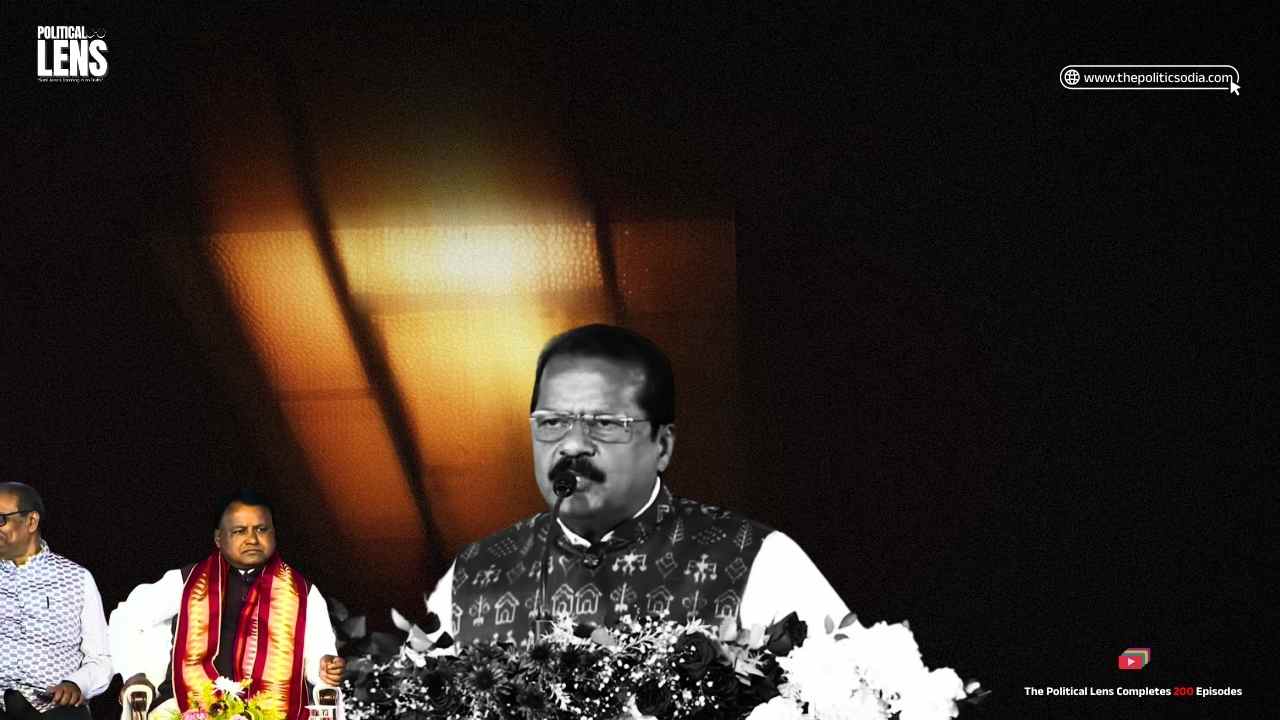
Bhubaneswar: A single remark by Subarnapur District Collector Nriparaj Sahu has reignited an old debate in Odisha about how far a serving officer goes while speaking from a public
Speaking at a programme attended by Chief Minister Mohan Charan Majhi, the Collector referred to the previous administrative culture, saying that there had been an approach of “do not see me, do not speak to me, do not touch me.” The comment, though brief, immediately drew political fire.
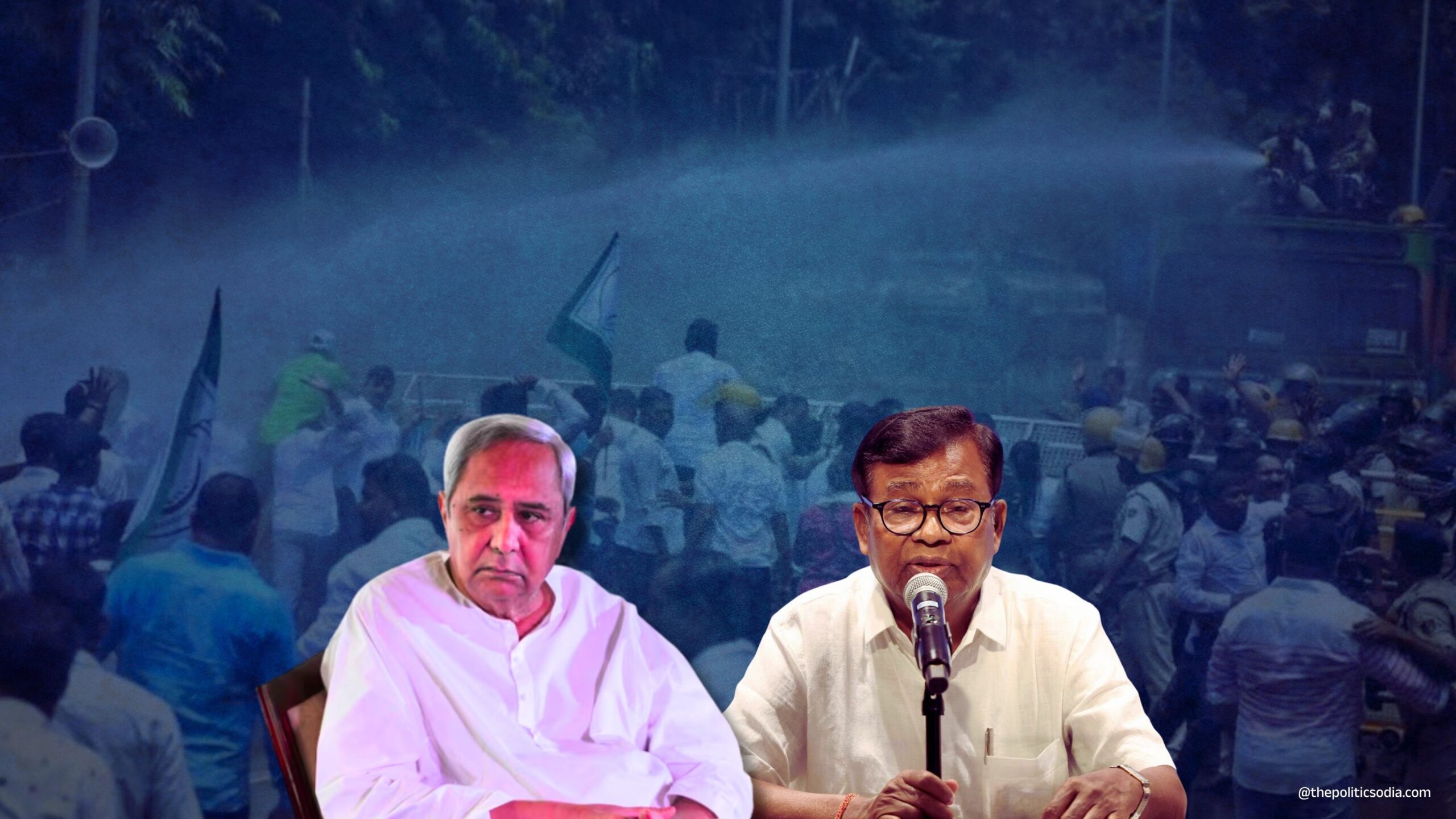
The Biju Janata Dal criticised the statement, arguing that a serving officer should avoid political references. Party spokesperson Lenin Mohanty termed it an administrative failure and said such remarks signal erosion of institutional neutrality.
What Is at the Core of the Controversy
At face value, the Collector’s words were framed as a contrast between past and present administrative accessibility. Supporters of the current government see it as an honest reflection of change. Critics see it as unnecessary political colouring by a civil servant.

This is not merely about one speech. It reflects a larger tension between governance optics and bureaucratic discipline.
Opposition leaders argue that Subarnapur faces serious farmer-related challenges and development issues, and that the Collector should focus on solutions rather than commentary. They also suggested that if officers wish to take political positions, they should do so after leaving service.
The Shadow of the Past Administration
The debate inevitably reopened memories of the previous regime under Naveen Patnaik. During that period, critics often alleged that senior officers, most prominently V. K. Pandian, wielded extraordinary influence in political and administrative decision-making.
Whether that perception was accurate or exaggerated remains contested. But it shaped public discourse for years.
Supporters of the Collector’s remark argue that he merely articulated what many felt during that phase: that access to leadership had become centralised and filtered. Detractors counter that such judgments should come from elected representatives or historians, not serving administrators.
Where Does Institutional Neutrality Begin and End?
India’s civil services are built on the principle of political neutrality. Officers are expected to implement policy, not interpret political eras. Yet they are also encouraged to communicate with citizens and explain governance.
The Subarnapur episode highlights the fine line between administrative transparency and political messaging.
The Collector did not name individuals. He did not cite parties. Still, in a charged political environment, even general statements acquire partisan meanings.
A Larger Question for Odisha
Beyond personalities, EP-201 raises a deeper question: how should Odisha balance open governance with institutional restraint?
Public trust grows when officers are accessible. But that trust weakens if bureaucratic platforms appear to echo political narratives.
For the government, this is a moment to clarify boundaries. For the opposition, it is an opportunity to question administrative conduct. And for citizens, it is a reminder that governance is shaped as much by tone as by policy.
Whether Nriparaj Sahu “spoke the truth” or crossed a professional line will continue to be debated. What is clear is that in Odisha today, even a few sentences from a district collector can reshape the political conversation.
Author Profile

- Sunil Jena is the Editor of The Politics Odia, an independent digital platform that delivers fearless political analysis, ground reports, and investigative stories from Odisha. Known for bold storytelling and grassroots connections, Sunil is shaping a new era of regional journalism.
Latest entries
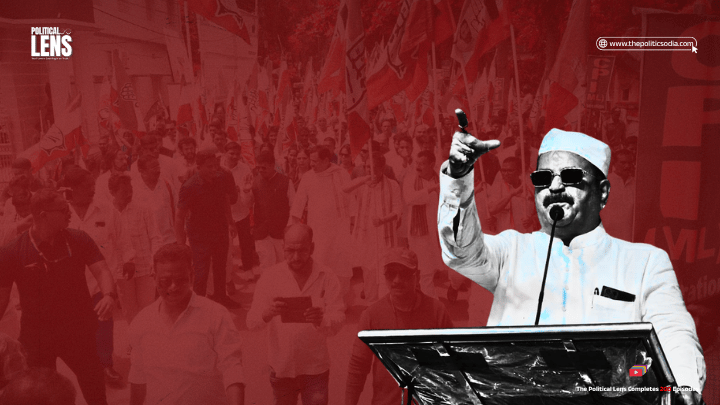 AnalysisSeptember 22, 2026Opposition Parties Hold Rally in Rayagada Seeking Repeal of MMDR Amendment Act 2026
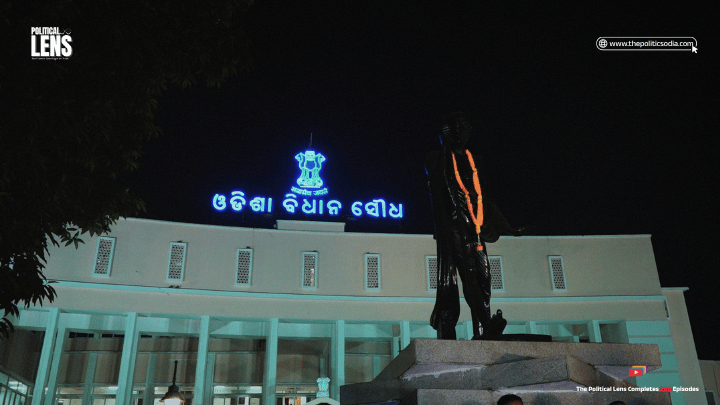 AnalysisSeptember 22, 2026Odisha Assembly Adjourned Till 1:10 PM Amid Opposition Uproar on First Day of Monsoon Session
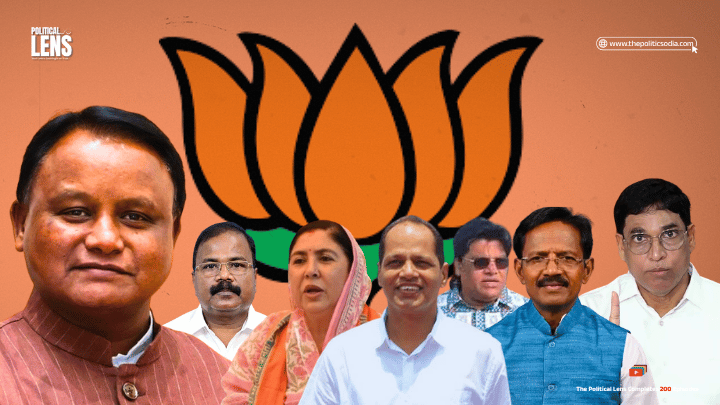 AnalysisSeptember 21, 2026BJP MPs, MLAs Flag Delays in Development Projects; Letters Trigger Fresh Political Row in Odisha
 AnalysisSeptember 11, 2026Thank You, Naveen Babu? BJD’s MMDR Protest Raises Questions Over Leadership and Political Strategy